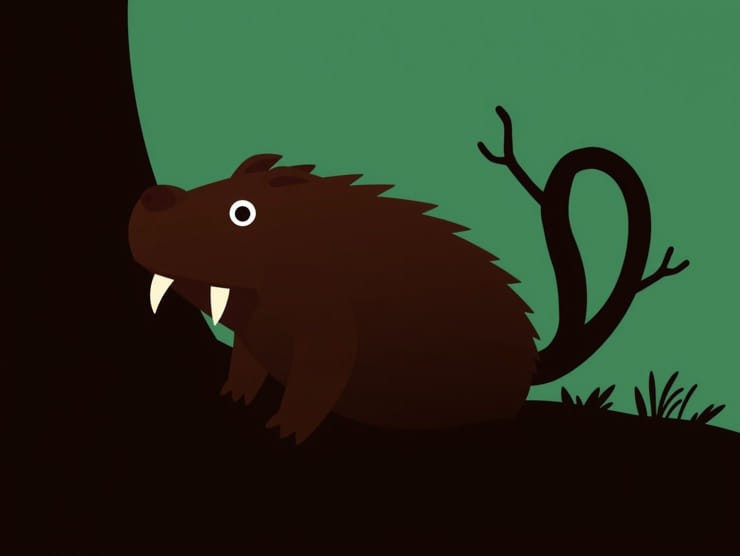
Many fans of Julia Donaldson and Axel Scheffler’s beloved children’s books delight in discovering small visual surprises scattered throughout their stories. One particularly fun and mysterious Easter egg is the hidden Gruffalo in Tiddler. While Tiddler tells the tale of a little fish with a big imagination, observant readers have spotted a tiny image of the Gruffalo, a character from a completely different book. This clever crossover between books adds an extra layer of enjoyment, especially for children who are familiar with both titles. The hidden Gruffalo creates a playful connection between stories, reinforcing the charm and interconnectedness of Donaldson and Scheffler’s illustrated world.
The World of Julia Donaldson and Axel Scheffler
Julia Donaldson and Axel Scheffler have collaborated on numerous children’s classics, such as The Gruffalo, Room on the Broom, Stick Man, and Tiddler. Their unique combination of catchy rhymes and vivid, expressive illustrations has made their books a staple in homes and classrooms around the world. One of the reasons their books are so adored is the subtle detail Scheffler includes in his artwork tiny touches that make each page worth a closer look.
Recurring Characters and Hidden Surprises
Axel Scheffler is known for adding hidden elements in his illustrations that link one book to another. These hidden characters, like the Gruffalo in Tiddler, aren’t just random decorations they serve as visual rewards for loyal fans. Spotting a familiar figure in a new story adds a moment of recognition and excitement, making readers feel like insiders in a shared universe.
In Tiddler, the hidden Gruffalo is just one example. Fans have also spotted characters like the witch from Room on the Broom or Stick Man appearing briefly in other books. These Easter eggs encourage children to examine the pictures carefully, promoting attention to detail and repeated readings.
Where Is the Hidden Gruffalo in Tiddler?
The most frequently mentioned sighting of the Gruffalo in Tiddler is found in one of the underwater scenes. He doesn’t appear in the text, and he’s not part of the narrative, but rather, he is subtly illustrated among the sea creatures and background elements.
To find the hidden Gruffalo in Tiddler, look closely at the illustrations that depict schools of fish, coral reefs, and deep-sea scenes. Often, the Gruffalo can be seen either as a small figurine on a rock, part of a classroom poster, or peeking out from behind something. It’s a clever nod to readers who know the Gruffalo’s iconic shape his big eyes, tusks, and spiky back are unmistakable, even in miniature form.
Why Is the Gruffalo Hidden There?
The decision to include the Gruffalo in Tiddler likely comes from a desire to create a cohesive and imaginative universe across books. While each story stands on its own, these hidden elements add continuity and foster curiosity. It’s also a way for the illustrator to play with his own work, embedding subtle jokes or references that only dedicated readers will notice.
This type of intertextual play is a hallmark of Donaldson and Scheffler collaborations. While Julia Donaldson provides the rhythmic, rhyming stories that engage young readers, Axel Scheffler adds visual depth that rewards multiple readings. The hidden Gruffalo is not meant to alter the story of Tiddler but to enhance the experience with a visual treat.
The Educational Value of Hidden Details
From an educational perspective, hidden characters like the Gruffalo serve a greater purpose than mere entertainment. They promote visual literacy, attention to detail, and memory recall. Children begin to notice connections between books, which can lead to improved comprehension and excitement about reading.
- Visual Scanning: Children learn to scan illustrations for details, improving focus.
- Recognition Skills: Spotting the Gruffalo requires memory and recognition from earlier books.
- Story Connection: Finding characters across stories teaches intertextual awareness.
- Observation and Inference: These skills are essential for learning and problem-solving in general education.
Encouraging Exploration and Conversation
Parents and teachers can use the hidden Gruffalo as a tool to engage children in discussion. Asking questions like Did you notice anything strange in that picture? or What other books have you seen that character in? helps build critical thinking and storytelling skills. It turns a simple read-aloud session into a treasure hunt that children look forward to.
Other Hidden Characters in Julia Donaldson’s Books
Besides the Gruffalo, Axel Scheffler often includes other characters hidden in his artwork. These appearances are not always announced and are rarely explained, making them a fun surprise. Some examples include:
- Stick Manappearing as a branch in Zog or other forest-themed books.
- The witch from Room on the Broomflying across a moonlit sky in the background of The Snail and the Whale.
- A mouseresembling the one from The Gruffalo, sneaking across a forest scene in Superworm.
These subtle connections are like hidden gems, rewarding loyal readers and building a community of fans who enjoy finding and sharing discoveries.
The Joy of Re-Reading With New Eyes
One of the most delightful aspects of the hidden Gruffalo in Tiddler is that it encourages children to revisit the book more than once. Upon first reading, the story is engaging and rhythmic. On second or third reads, the hunt for hidden figures begins. This layered experience makes the book more valuable over time, turning it from a quick bedtime story into a source of repeated joy and curiosity.
Strengthening the Bond Between Child and Book
When children begin to notice these subtle illustrations on their own, they feel a sense of accomplishment. It builds confidence in their observation skills and strengthens the bond they form with books. Discovering the hidden Gruffalo is like uncovering a secret message one that says, You are part of this story world too.
More Than Just a Picture Book
The hidden Gruffalo in Tiddler may seem like a small detail, but it represents something much larger. It reflects the creative brilliance of Julia Donaldson and Axel Scheffler, the deep thought behind their storytelling, and the joy of connecting stories across pages. Whether spotted by a child flipping through the pages or pointed out by a parent during storytime, the Gruffalo’s unexpected appearance deepens engagement, sparks joy, and keeps young readers coming back for more. For fans of children’s literature, this tiny cameo serves as a delightful bridge between worlds, proving once again that there’s always more to a book than meets the eye.