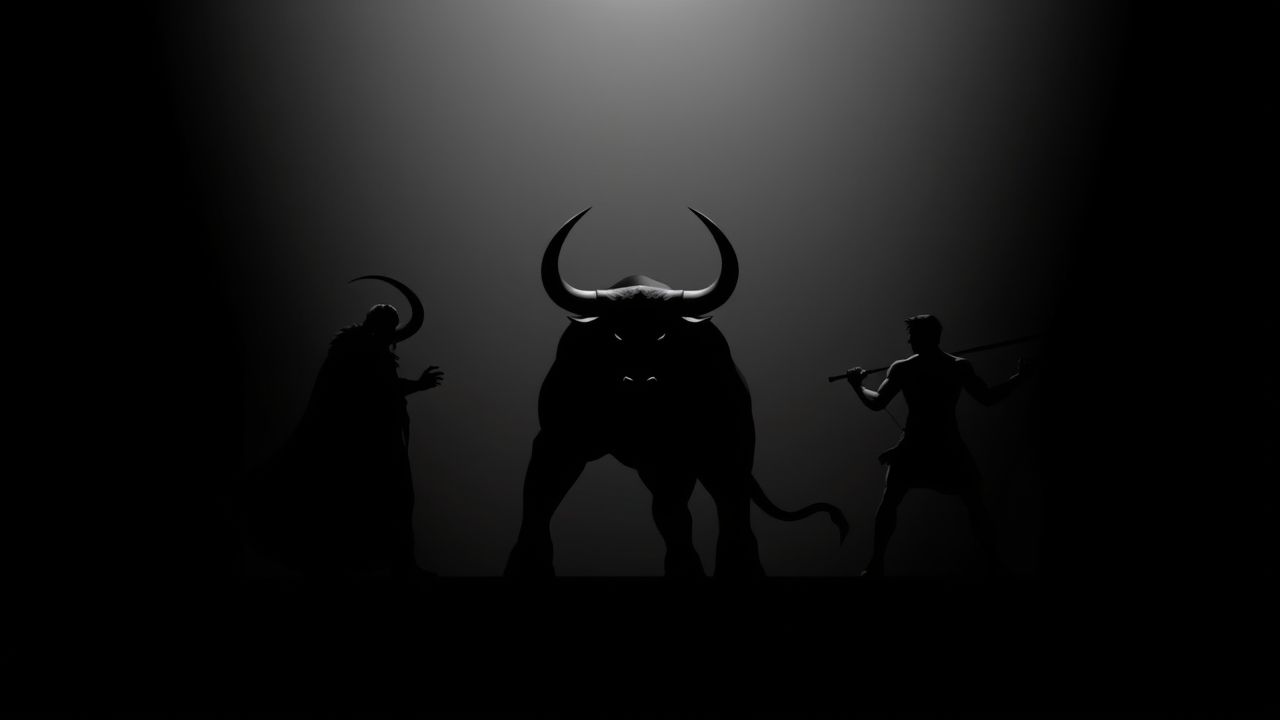
The myth of Hades, the Minotaur, and Theseus weaves together themes of power, fate, and heroism in ancient Greek mythology. These stories have inspired countless retellings across literature, art, and modern media, capturing the imagination with their rich symbolism and dramatic conflicts. Understanding the connections between these figures the god of the underworld, the monstrous Minotaur, and the heroic Theseus offers insight into the cultural values and mythological traditions that shaped ancient Greece and continue to influence storytelling today.
Hades: God of the Underworld
Hades is the ancient Greek god ruling over the underworld, the realm of the dead. Often depicted as a stern and just deity, Hades governs the afterlife and ensures the balance between life and death. Despite common misconceptions that portray him as evil, Hades is more accurately understood as a neutral force maintaining order in the cosmos.
Role and Attributes of Hades
- Ruler of the underworld, overseeing souls of the deceased
- Associated with wealth, due to precious minerals found underground
- Keeper of the balance between life and death
- Often depicted with the Helm of Darkness, granting invisibility
Hades’ role in mythology highlights the inevitability of death and the respect accorded to the afterlife in Greek culture.
The Minotaur: A Creature of Cursed Origins
The Minotaur is one of Greek mythology’s most iconic monsters, a creature with the body of a man and the head of a bull. Its origin is tied to the Cretan king Minos and a divine punishment involving the god Poseidon. The Minotaur was imprisoned within the labyrinth, a complex maze designed by the master craftsman Daedalus, where it was destined to remain isolated and feared.
Background of the Minotaur
- Born from the union of Queen Pasiphae and a sacred bull
- Represents the consequences of divine wrath and human hubris
- Confined in the labyrinth beneath King Minos’s palace in Crete
- Fed on human sacrifices sent as tributes from Athens
The Minotaur’s myth serves as a cautionary tale about defying the gods and the monstrous results of unchecked desires.
Theseus: The Heroic Slayer of the Minotaur
Theseus is celebrated as one of the great heroes of Greek mythology, known particularly for his journey to Crete and his victory over the Minotaur. His story embodies bravery, intelligence, and the quest to free his people from a grim fate. Theseus’s encounter with the Minotaur is a defining moment that has been retold through ages as a symbol of triumph over darkness and chaos.
The Legend of Theseus and the Minotaur
- Volunteered to be one of the youths sent as tribute to Crete
- Received help from Ariadne, who gave him a thread to navigate the labyrinth
- Successfully killed the Minotaur, ending the cycle of sacrifices
- Used the thread to escape the labyrinth safely
Theseus’s clever use of Ariadne’s thread highlights the importance of wit alongside strength in Greek heroism.
The Connection Between Hades, the Minotaur, and Theseus
Though Hades is not directly involved in the myth of the Minotaur and Theseus, the underworld god’s presence looms symbolically over the story. The labyrinth itself, dark and confounding, can be seen as a metaphorical gateway to death and the unknown a realm governed by Hades. Theseus’s descent into the labyrinth to face the Minotaur mirrors a journey into the underworld, facing mortality and the monstrous aspects of the human psyche.
Symbolic Interpretations:
- The labyrinth represents the boundary between life and death
- The Minotaur symbolizes the darkness within human nature and fate’s curse
- Theseus’s victory is akin to conquering death or overcoming personal demons
- Hades’ role as the lord of the dead underpins the ever-present reality of mortality
This layered symbolism enriches the myth, connecting divine power, monstrous terror, and heroic courage.
Impact of the Myth in Literature and Culture
The story of Hades, the Minotaur, and Theseus has resonated through centuries, influencing countless works of literature, theater, and modern storytelling. It explores universal themes such as the confrontation with fear, the struggle against fate, and the triumph of human will. This mythological triad remains a fertile source for artistic expression and philosophical reflection.
Examples of Influence:
- Tragic and heroic narratives in classical Greek plays
- Symbolic references in Renaissance art and literature
- Modern reinterpretations in books, movies, and video games
- Psychological analyses using the labyrinth and Minotaur as metaphors
Its enduring appeal lies in its deep exploration of the human condition and the timeless battle between light and darkness.
Lessons from the Myth
The myth of Hades, the Minotaur, and Theseus offers valuable lessons about courage, intelligence, and facing the unknown. Theseus’s journey encourages embracing challenges with both bravery and cleverness, while the Minotaur warns of the consequences of pride and disobedience. Hades’ presence reminds us of life’s inevitable cycles and the importance of balance.
Key Takeaways:
- True heroism combines strength with wisdom
- Facing one’s fears is essential for growth
- Respecting the forces of nature and fate avoids destructive outcomes
- Death and the unknown are part of life’s journey
These themes continue to resonate in contemporary storytelling and personal reflection.
The intertwined myths of Hades, the Minotaur, and Theseus offer a rich tapestry of narrative, symbolism, and cultural insight. From the dark realm of the underworld to the twisting maze of the labyrinth, these stories explore profound ideas about mortality, human nature, and heroism. Theseus’s courageous confrontation with the Minotaur, under the ever-watchful shadow of Hades, remains one of the most compelling legends of ancient Greece, inspiring generations to confront their own labyrinths and monsters with strength and wisdom.