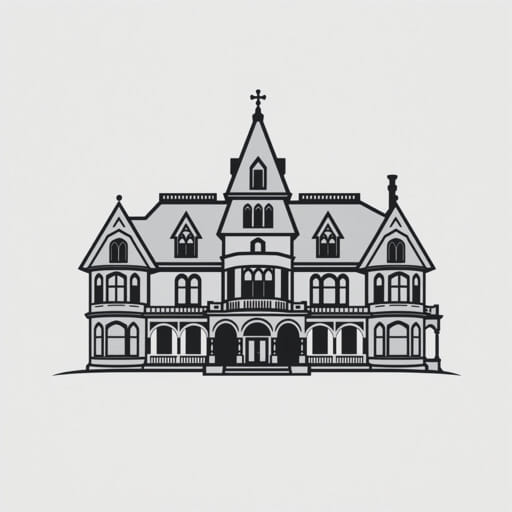
The name ‘God Begot House’ in Winchester may sound unusual at first, but it carries centuries of history, legends, and cultural depth that make it one of the city’s most unique and fascinating landmarks. Situated in the heart of Winchester, a city steeped in Anglo-Saxon and medieval heritage, the God Begot House is more than just a building it is a symbol of how myth and history intertwine. Despite the intriguing name, the story of God Begot House is not about divine birth, but about heritage, royal connections, and architectural resilience that has stood the test of time.
Location and Historical Context
God Begot House is located on High Street in Winchester, Hampshire, a city that was once the capital of the ancient Kingdom of Wessex and later a royal center under the Norman kings. Winchester is known for its cathedral, King Arthur legends, and Roman roots. In this historic context, the God Begot House stands as a reminder of both medieval Winchester’s importance and its transition through England’s social and religious changes.
The name God Begot has sparked curiosity and occasional confusion over the years. It derives from ‘The Manor of God-begot,’ a name associated with the lands granted by the English monarchy to the nuns of St. Mary’s Abbey in the early Middle Ages. This religious connection, along with Winchester’s deep ecclesiastical roots, helps explain how the house and its lands received such a distinctive title.
Origins of the Name
The phrase ‘God Begot’ is often misunderstood. It does not imply divine lineage in a literal sense. Instead, it comes from God Beget, an Old English term connected with a type of church grant or land acquisition made possible through ecclesiastical patronage. The manor was originally given to a nunnery by King Edgar the Peaceful in the 10th century, and over time, the name God Begot stuck.
This name eventually came to refer specifically to the manor house located in Winchester, the administrative and spiritual center of the estate. What we now call the God Begot House is believed to stand near or on the original site of this manor, although much of the current structure dates from the later medieval and Tudor periods.
Architectural Significance
The current God Begot House is a stunning example of late medieval and early Tudor architecture. The timber-framed design, with its visible wooden beams, jettied upper floor, and intricate woodwork, is characteristic of English urban domestic architecture from the 15th and 16th centuries. This type of building was once common in historic cities like Winchester, but few have survived in such recognizable and well-preserved form.
It is believed that much of the current house was constructed around the 15th century, possibly reusing earlier materials or foundations. The building’s prominent location on High Street ensured that it would be used for various important functions over the centuries from a manor house to a private residence, and later for commercial purposes.
Preservation and Restoration
God Begot House has undergone significant restoration to maintain its historical integrity. During the 20th century, careful efforts were made to stabilize and restore the timber framework, improve interior features, and document its historic layers. Today, it is listed as a Grade II building, a designation reserved for particularly significant structures of national interest.
Thanks to preservation work, visitors can appreciate the architectural details that offer a window into medieval life, including original wood joinery, exposed beams, and mullioned windows that recall the style and craftsmanship of a bygone era.
Role in Winchester’s History
Winchester’s long-standing importance as a religious and administrative center gave the God Begot House a unique position within the city. It was part of the lands and holdings of St. Mary’s Abbey, and as such, played a role in the economic and spiritual life of medieval Winchester.
The abbey’s influence shaped the area around the house, including the surrounding streets and properties. After the dissolution of the monasteries under Henry VIII, many ecclesiastical buildings were seized or repurposed. However, the legacy of this land remained embedded in Winchester’s structure, and the God Begot House continued to be recognized for its historical importance.
Modern Use and Cultural Significance
Today, the God Begot House is home to commercial tenants, often functioning as a restaurant or café. Its central location makes it a popular stop for both tourists and locals. While its use has evolved, the building remains a living part of Winchester’s historical landscape.
The house also serves as a reminder of the way religious and royal powers intersected in medieval England. From a gift of land to a monastic order to a surviving architectural landmark, it tells a story of how England’s spiritual and social orders were physically rooted in the towns and cities they helped shape.
Myths and Misconceptions
The unusual name of the house has led to many myths over time. Some people, hearing the phrase God Begot, imagine it refers to a divine birth or miraculous event. In reality, the term is a historical reference to land tenure and religious institutions, not theology. However, these legends have only enhanced the mystique of the building, contributing to its popularity in local folklore and tourism.
Some local stories suggest that the house was visited by important historical figures or that secret tunnels run beneath it. While these tales are hard to verify, they reflect the public’s enduring fascination with old buildings that seem to whisper of ancient secrets and hidden lives.
Connection to Winchester’s Heritage
God Begot House represents a physical link to Winchester’s medieval heritage. Alongside Winchester Cathedral, Wolvesey Castle, and other historic landmarks, it helps tell the story of a city that was once a political, religious, and royal center in England. Walking past its timber-framed walls is like walking through a living history book.
For historians, architects, and curious visitors, the house offers insight into domestic life, ecclesiastical land ownership, and the evolution of English urban design. For residents, it’s a beloved symbol of continuity and local pride.
A Name That Carries History
God Begot House Winchester may carry an unusual name, but its legacy is one of tradition, resilience, and historical depth. From its roots as a manor tied to a medieval abbey to its status today as a heritage site in a modern English city, the house continues to capture imagination and admiration. It stands as a reminder that names have stories, buildings have souls, and history lives not only in books and museums but in the very streets we walk. For those who appreciate the layers of time built into architecture, God Begot House is a must-see, a living chapter in the story of Winchester.