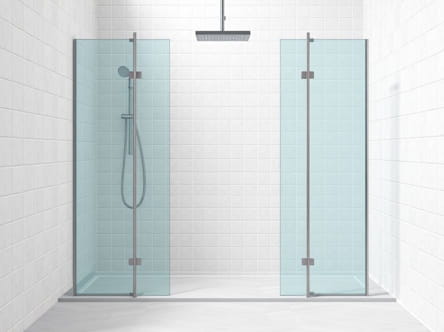
Installing a glue up shower surround is a practical and budget-friendly way to upgrade your bathroom without the need for a complete renovation. These systems are designed for easy installation, typically over existing wall surfaces like drywall or cement board. Glue up panels offer a sleek and clean appearance, while protecting the walls from moisture and mildew. With various styles, textures, and finishes available, they can complement nearly any bathroom decor. Understanding how to properly choose, prepare, and install a glue up shower surround is essential for achieving long-lasting and professional results.
What Is a Glue Up Shower Surround?
A glue up shower surround consists of several wall panels that are adhered directly to the bathroom wall using a construction adhesive. Unlike direct-to-stud systems that require removing drywall or cement board, glue up surrounds can be applied on existing surfaces, making them ideal for bathroom remodels with minimal disruption. These surrounds usually come in three or five pieces and can be made of materials such as acrylic, PVC, or fiberglass.
Common Materials Used
- Acrylic: Lightweight, glossy finish, resistant to cracking and fading.
- PVC: Durable and affordable, with a slightly textured surface.
- Fiberglass: Tough and resilient, often with a built-in texture that mimics tile.
Benefits of Using a Glue Up Shower Surround
There are many reasons why homeowners and DIY enthusiasts choose glue up shower surrounds. Some of the top advantages include:
- Easy Installation: Glue up panels can be installed by most DIYers using basic tools.
- Time-Saving: No need to remove existing wallboard, which reduces labor and dust.
- Cost-Effective: Less expensive than tile or full wall replacement.
- Moisture Protection: Creates a sealed, water-resistant barrier for your shower walls.
- Custom Fit: Panels can be trimmed to fit odd-sized or unique shower areas.
Preparing for Installation
Before installing a glue up shower surround, preparation is key to ensuring the adhesive bonds well and the panels stay securely in place for years to come. Here are the steps to prepare your bathroom walls:
Clean and Dry the Surface
All surfaces must be thoroughly cleaned and free from soap scum, grease, or mildew. Use a household cleaner or degreaser, then rinse and allow the walls to dry completely. The adhesive won’t bond properly to dirty or wet walls.
Repair Any Damage
Inspect the wall for any cracks, holes, or peeling paint. Patch holes with spackling paste and sand the area smooth. The wall should be flat, solid, and smooth for the best adhesion. Remove any wallpaper or loose paint before continuing.
Mark Guidelines
Use a level and measuring tape to mark vertical and horizontal guidelines where the panels will be placed. Dry-fit each panel to ensure it fits correctly, and make any necessary cuts before applying adhesive.
Installing the Glue Up Panels
Now that your walls are clean and smooth, it’s time to install the glue up shower surround. This process typically involves applying adhesive, setting each panel in place, and sealing all joints with waterproof caulk.
Apply Construction Adhesive
Use a notched trowel or a caulking gun to apply the recommended adhesive to the back of each panel. Apply in a zigzag pattern, avoiding the very edges to prevent squeeze-out. Follow the manufacturer’s instructions for the best results.
Set the Panel
Press the panel firmly onto the wall, starting from the bottom and working your way up. Use gentle pressure and a level to ensure it aligns with the marked guidelines. Hold in place for a few minutes or use painter’s tape to secure it while the adhesive cures.
Repeat for Remaining Panels
Continue applying adhesive and installing each panel in sequence. Most glue up surrounds have interlocking seams or overlapping edges to create a waterproof seal. Double-check the alignment and spacing between panels to avoid gaps.
Seal the Edges
Once all panels are in place and the adhesive has cured (usually 24 hours), apply a bead of waterproof silicone caulk along the seams, corners, and bottom edges where the panel meets the tub. This final step ensures no water can penetrate behind the surround.
Tips for a Professional Finish
To ensure your glue up shower surround installation looks and performs well over time, consider the following tips:
- Use high-quality adhesive recommended by the panel manufacturer.
- Make precise cuts using a jigsaw or utility knife for outlets or plumbing fixtures.
- Allow adhesive to fully cure before exposing the panels to water.
- Use painter’s tape to secure panels in place during drying time.
- Match the color of the caulk with your panel finish for a clean look.
Maintenance and Care
Once your glue up shower surround is installed, maintenance is relatively easy. These panels are designed to be low-maintenance and water-resistant, but regular cleaning and care will extend their appearance and durability.
Cleaning
Use a non-abrasive cleaner and a soft cloth or sponge to clean the panels regularly. Avoid harsh chemicals or scouring pads, which can scratch the surface. Rinse well with water to remove any cleaner residue.
Preventing Mold and Mildew
Keep the bathroom well-ventilated to reduce humidity. After showers, use an exhaust fan or open a window to allow moisture to escape. Wipe down the panels occasionally to remove excess water.
Check Seals Regularly
Inspect the caulked edges and seams for any signs of cracking or wear. Reapply silicone caulk as needed to maintain a watertight barrier.
A glue up shower surround is a convenient and efficient way to enhance your bathroom’s functionality and appearance. By following the right preparation, installation techniques, and maintenance practices, you can ensure your shower walls remain attractive and water-resistant for years to come. Whether you’re tackling a DIY bathroom update or looking for a reliable solution to protect your walls, glue up surrounds provide a perfect balance between cost, style, and durability.