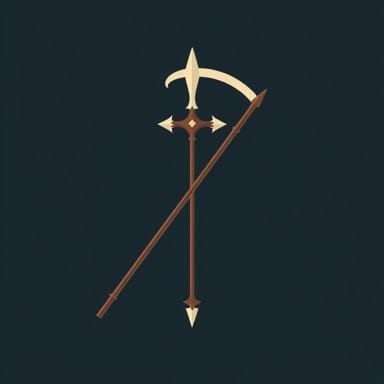
Throughout history and fantasy lore, polearms have played a significant role on the battlefield and in popular imagination. From medieval knights to tabletop RPG adventurers, choosing the right weapon often means weighing form, function, and flair. Among these iconic long weapons, the glaive, halberd, quarterstaff, and spear stand out as widely recognized choices, each offering distinct advantages in different combat situations. Whether you’re building a character in a role-playing game or diving deep into historical weaponry, understanding these weapons’ differences can enhance both realism and strategy.
Understanding Polearms and Their Role
Polearms are weapons mounted on long shafts, typically used for extended reach in combat. Designed to counter cavalry, break shield walls, or keep opponents at bay, these weapons became staples of both foot soldiers and elite warriors. Among the most common types are glaives, halberds, quarterstaffs, and spears, each with unique historical uses and fantasy interpretations.
What Defines a Glaive?
The glaive is a polearm consisting of a single-edged blade mounted at the end of a pole, similar to a sword on a stick. It combines cutting capability with extended reach, making it useful for slashing and sweeping strikes.
- Typically features a curved or straight blade
- Primarily used for slashing and chopping
- Less versatile in thrusting compared to a spear
In fantasy settings, glaives are often stylized for flair, sometimes including magical enchantments or exotic materials. In historical contexts, their simplicity and effectiveness made them useful for infantry.
The Halberd: Versatility in One Weapon
The halberd is a multipurpose polearm combining an axe blade, a spike, and a hook or thorn on the back side. It was especially popular in the 14th to 16th centuries, offering excellent versatility in battle.
- Axe blade for chopping
- Spear tip for thrusting
- Hook for pulling riders off horseback
Halberds are often considered one of the most adaptable weapons on the battlefield. They were heavily used by guards and soldiers for their ability to engage in multiple forms of combat.
Quarterstaff: Simplicity and Skill
The quarterstaff is a long wooden staff, usually six to eight feet in length, without a blade or metal components. It relies entirely on the wielder’s skill for effectiveness, offering speed, reach, and control.
- Made from hardwood like oak or ash
- Used with both hands for balance and leverage
- Capable of blocking, striking, and sweeping
Although it lacks a cutting edge or point, the quarterstaff is revered in martial arts traditions for its elegance and technique. In fantasy games, it’s often associated with monks, druids, or wizards who prefer non-lethal weapons.
The Classic Spear
The spear is arguably the oldest and most widespread weapon in human history. It features a pointed metal tip fixed to a long shaft and is effective for thrusting, throwing, or forming tight defensive ranks.
- Excellent for long-range melee attacks
- Can be used one-handed or two-handed
- Useful in phalanx or skirmish formations
In both history and fantasy, the spear’s simplicity and efficiency make it a staple. Whether thrown like a javelin or used to thrust from behind a shield, it’s a reliable tool for warriors across cultures and eras.
Comparing the Four Weapons
Each weapon serves a different purpose depending on the context. Choosing between a glaive, halberd, quarterstaff, or spear means evaluating what kind of combat scenarios you’re preparing for. Below is a breakdown comparing their strengths and typical uses.
Damage Types and Techniques
- Glaive: Strong in slashing attacks; limited thrusting
- Halberd: Slashing, thrusting, and hooking versatility
- Quarterstaff: Blunt damage; requires skill for effective use
- Spear: Focused on thrusting; excellent for defensive fighting
Reach and Control
- Glaive: Moderate reach; wide attack arcs
- Halberd: Long reach; control over multiple combat styles
- Quarterstaff: Extended reach; excellent control for parrying
- Spear: Longest reach; limited control if thrown
Weight and Mobility
- Glaive: Medium weight; balanced but not agile
- Halberd: Heavier; more powerful but slower
- Quarterstaff: Light; highly maneuverable
- Spear: Varies; can be light for throwing or heavy for melee
Fantasy Role-Playing and Tactical Considerations
In RPGs and fantasy settings, the choice between glaive, halberd, quarterstaff, or spear can define your character’s combat style. Each weapon brings different flavor and mechanical advantages depending on game rules.
Choosing the Right Weapon for Your Character
- Glaive: Ideal for warriors or guards who rely on sweeping attacks
- Halberd: Perfect for tacticians and frontline fighters who need versatility
- Quarterstaff: Great for monks, spellcasters, or martial artists
- Spear: Suits hunters, soldiers, and those who prefer reach and precision
Game systems often assign special traits like reach, damage type, or feats to these weapons. Understanding your game’s mechanics can help optimize performance while staying true to your character’s personality or background.
Historical Use and Cultural Impact
All four weapons have left marks on history, either through battlefield dominance or cultural significance.
- Thehalberdwas favored by Swiss and German infantry in the late Middle Ages.
- Thespearwas used by ancient Greek hoplites, Roman legionaries, and countless others.
- Thequarterstafffeatures prominently in English folklore, especially with figures like Robin Hood.
- Theglaive, though less common historically, appears frequently in fantasy media and eastern martial arts forms.
Understanding the roots of these weapons adds depth to any fictional world or historical re-creation. Whether in novels, games, or reenactments, they continue to fascinate and inspire.
Choosing between a glaive, halberd, quarterstaff, or spear is not just about damage potential it’s about combat philosophy. Do you want the control and elegance of a quarterstaff, the brutal flexibility of a halberd, the slicing power of a glaive, or the simplicity and efficiency of a spear? Each weapon speaks to a different strategy, aesthetic, and historical era. Whether you’re stepping onto a battlefield in a fantasy RPG or learning about medieval warfare, understanding the unique characteristics of these polearms will elevate your appreciation and effectiveness as a combatant or storyteller.