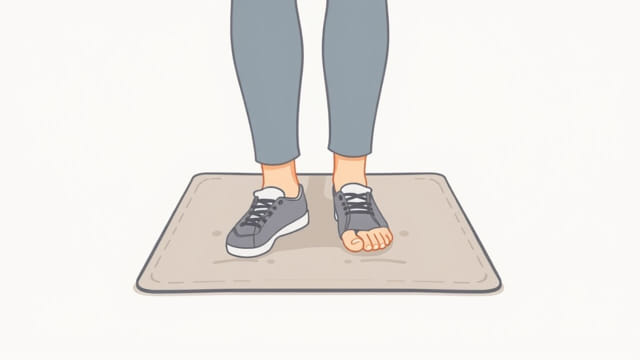
When a floor covering becomes flighty underfoot, it can be more than just a minor annoyance. Homeowners, renters, and business owners alike can find themselves dealing with serious concerns if flooring materials begin to shift, loosen, or create unstable walking conditions. Whether it’s a rug that won’t stay put, tiles that crack and move, or laminate that separates at the seams, such issues can compromise safety and comfort. More importantly, a flighty floor covering can point to underlying problems with installation, material quality, or even the subflooring beneath. Understanding why a floor covering might become unstable and how to fix or prevent it can save time, money, and frustration in the long run.
Understanding the Phrase ‘Flighty Underfoot’
The term ‘flighty underfoot’ is not commonly used in everyday language, but it vividly describes flooring that feels unreliable, unstable, or inconsistent when walked upon. It may refer to:
- Loose floorboards or tiles
- Carpet that buckles or shifts
- Floating floors that creak or lift at the edges
- Vinyl that curls at the edges
This sensation can create discomfort and increase the risk of tripping or slipping. It’s a signal that your flooring may need closer inspection or repair.
Common Causes of Unstable Floor Coverings
Poor Installation Techniques
One of the leading reasons for floor coverings becoming flighty is improper installation. Whether it’s a misaligned tile or insufficient adhesive, flooring that’s not properly anchored will begin to shift over time. For floating floor types like laminate or engineered wood, failure to leave an expansion gap can lead to warping or lifting.
Subfloor Issues
The foundation beneath the floor covering plays a major role in its stability. If the subfloor is uneven, damaged, or damp, it can compromise how well the flooring material sits. A bumpy or moist subfloor will often cause laminate to shift or carpet to buckle unexpectedly.
Wear and Tear
Over time, even the best-installed flooring can degrade. Glue loses its stick, carpet fibers wear thin, and tile grout can crumble. This gradual breakdown contributes to that flighty feeling when walking across the surface. Constant foot traffic and heavy furniture can accelerate this wear.
Environmental Conditions
Humidity and temperature changes can impact how flooring behaves. Wood and laminate floors, in particular, are sensitive to moisture. In high humidity, these materials can expand; in dry environments, they may shrink, leading to gaps or lifted planks.
Types of Flooring Most Prone to Becoming Flighty
Floating Floors
Floating floors, such as click-lock laminate or vinyl planks, are designed to sit loosely over a subfloor without nails or glue. While this makes installation easier, it also makes them more prone to instability if not installed correctly or if the subfloor is uneven.
Carpet
Wall-to-wall carpeting can buckle or ripple when the tension loosens. Rugs placed without a non-slip backing will slide around easily, causing a flighty underfoot experience that can be both annoying and dangerous.
Tile
Though tiles are typically solid, if the grout breaks or the adhesive weakens, tiles can move or even crack. This creates uneven areas that may feel loose or fragile underfoot.
How to Fix Flighty Floor Coverings
Assess and Prepare the Subfloor
Before reinstalling or replacing your floor covering, always check the subfloor. It should be clean, dry, and level. Address moisture problems or damaged sections first to prevent recurring instability.
Secure Edges and Corners
In cases where flooring edges are lifting, such as with vinyl or laminate, re-gluing or clipping them back into place can solve the problem. For rugs, using a rug pad or carpet tape can help prevent sliding.
Re-Stretch Carpeting
If wall-to-wall carpet has developed ripples or waves, a professional carpet installer can re-stretch the material and secure it properly. This not only improves the look but also eliminates underfoot instability.
Replace Worn or Damaged Materials
Sometimes the best solution is to replace the problem area altogether. Loose tiles, warped planks, or frayed carpet patches may not be worth repairing. Replacing with new, stable material ensures a safer and more attractive surface.
Preventing Future Problems with Floor Coverings
Use the Right Flooring for the Room
High-humidity areas like bathrooms or basements may not be suitable for wood or laminate. Choose moisture-resistant materials like ceramic tile or luxury vinyl in these rooms to prevent warping or loosening.
Maintain Proper Indoor Climate
Use dehumidifiers in summer and humidifiers in winter to maintain a stable environment for your flooring. Keeping temperature and moisture levels consistent can reduce expansion and contraction that leads to flighty conditions.
Invest in Quality Installation
DIY installations can be successful with proper preparation, but complex materials often require professional handling. A properly installed floor will last longer and stay secure underfoot.
Regular Maintenance
Vacuum carpets, clean hard floors, and check for signs of wear regularly. Catching problems early can prevent minor issues from becoming major headaches. Reapply adhesives, replace rug pads, or fill grout as needed.
Why It Matters: Safety and Comfort
A flighty floor covering isn’t just an aesthetic issue it can affect your quality of life. Slippery rugs or uneven tiles pose tripping hazards, especially for children and elderly individuals. It can also be frustrating to walk across a surface that moves or creaks beneath your feet. Taking the time to understand why your floor feels unstable and addressing it properly ensures that your living or working space is both safe and comfortable.
Stability Underfoot Is Achievable
If your floor covering is becoming flighty underfoot, don’t ignore it. It’s often a warning sign of deeper problems, whether with the installation, material, or subfloor. By identifying the root cause and applying practical solutions from securing loose edges to replacing entire sections you can restore both the safety and visual appeal of your space. Stability underfoot should not be a luxury but a standard feature of every well-maintained interior. With proper care and attention, your flooring can offer both comfort and reliability for years to come.