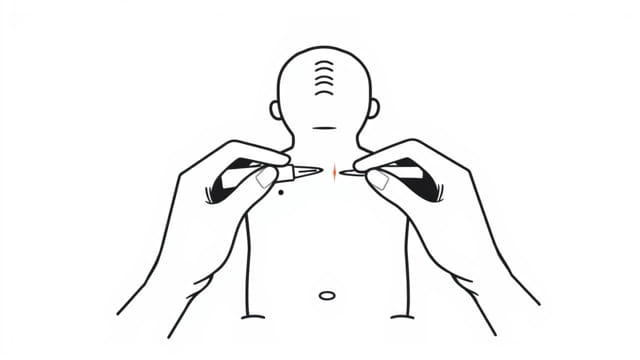
Circumcision is one of the oldest known surgical procedures in human history, with roots that stretch deep into ancient civilizations. Its origins are intertwined with religious, cultural, and medical practices, and its historical trajectory offers a fascinating insight into the beliefs and traditions of early societies. Determining who was the first person to circumcise is difficult, but historical and religious texts, particularly from the Abrahamic traditions, offer some clues. Exploring this subject helps us understand how and why circumcision began, who practiced it first, and what it symbolized in different cultures.
Historical Origins of Circumcision
Ancient Evidence from Archaeology
Archaeological evidence suggests that circumcision was practiced in ancient Egypt as early as 2400 BCE. Tomb paintings and inscriptions show scenes of what appears to be ritual circumcision performed by priests or healers. These findings indicate that the practice predates recorded history and was established long before the emergence of many modern religions.
Circumcision in Ancient Cultures
Several ancient civilizations practiced circumcision independently, including:
- Egyptians: Often associated with cleanliness and priestly purity.
- Sumerians: Evidence suggests circumcision was part of early Mesopotamian cultures.
- Sub-Saharan African Tribes: Practiced as an initiation rite into manhood.
- Australian Aboriginals: Used in ceremonial rites of passage.
These diverse origins suggest that circumcision evolved for various reasons, including spiritual, social, and hygiene-related purposes.
The Biblical Figure: Abraham
The Covenant with God
In the Judeo-Christian tradition, Abraham is considered the first person to circumcise himself and others under a divine command. According to the Book of Genesis in the Hebrew Bible, God instructed Abraham to circumcise himself and every male in his household as a sign of a covenant between them. This event is traditionally dated to around 2000 BCE.
Scriptural Reference
Genesis 17:1011 states: This is my covenant, which you shall keep, between me and you and your descendants after you: Every male among you shall be circumcised. You shall be circumcised in the flesh of your foreskins, and it shall be a sign of the covenant between me and you.
According to the same text, Abraham circumcised himself at the age of 99, and his son Ishmael at age 13, marking the beginning of the ritual among his descendants.
Religious Significance
For Jews, Abraham’s act of circumcision established a sacred tradition that continues to this day. It became a fundamental rite, symbolizing identity, obedience, and inclusion within the chosen people. This practice was later adopted, modified, or rejected by other Abrahamic religions in different ways.
Circumcision in Other Religious Traditions
Islamic Practices
While the Qur’an does not explicitly mention circumcision, Islamic tradition (hadiths and Sunnah) supports its practice. It is considered a fitrah (natural) act and is widely practiced across the Muslim world. The Prophet Ibrahim (Abraham) is also cited as the originator of the practice in Islamic belief.
Christianity and Circumcision
In early Christianity, circumcision became a theological point of contention. Initially practiced by early Jewish Christians, it was eventually declared unnecessary for Gentile converts after debates among early Church leaders. The Apostle Paul emphasized spiritual circumcision of the heart over physical ritual, thus shifting the emphasis away from the Jewish tradition.
Medical and Cultural Perspectives
Circumcision as a Health Practice
Beyond religious significance, circumcision has been practiced for health-related reasons. In various times and places, it was believed to reduce infections, improve hygiene, or control sexual behavior. In modern medicine, it is sometimes performed for medical conditions like phimosis or recurrent infections, though it remains a topic of ethical debate.
Cultural Rites of Passage
In many tribal societies, circumcision serves as a rite of passage into adulthood. It often involves elaborate ceremonies and marks a young man’s readiness to take on social responsibilities. These rituals are significant cultural events and are passed down through generations.
Debates and Interpretations
Was Abraham the First to Circumcise?
While Abraham is widely credited as the first to perform circumcision in religious texts, historical evidence suggests that the practice predated him. The Egyptian records and the broad geographic spread of circumcision suggest that it may have been independently developed in multiple regions for different reasons. Thus, Abraham may not have been the first in a historical sense, but he was certainly the first known religious figure to ritualize and formalize it within a religious covenant.
Symbolism and Legacy
The act of circumcision has evolved from a possible health or purification practice to a deeply symbolic religious tradition. For some, it represents obedience, faith, and community identity. For others, it is seen through a cultural or medical lens, with significance varying by context.
Modern Relevance and Practices
Continuing Traditions
Today, circumcision continues to be practiced around the world for various reasons:
- Jewish and Islamic customs: Carried out in accordance with religious laws and ceremonies.
- Medical decisions: Often performed on newborns in hospitals, especially in the United States and parts of Africa.
- Cultural rites: Maintained in many African and Southeast Asian communities as part of tribal identity and maturity rituals.
Ethical Considerations
In recent decades, circumcision has come under scrutiny from human rights and medical ethics perspectives. Debates center on consent, bodily autonomy, and medical necessity. Some advocate for delaying the procedure until the individual is old enough to make an informed choice, while others maintain that tradition and health benefits justify early circumcision.
While the question of who was the very first person to circumcise may never be answered definitively from a purely historical standpoint, religious tradition credits Abraham with institutionalizing the practice as a sacred covenant. The evidence from ancient Egypt and other cultures shows that circumcision likely has multiple points of origin. Regardless of its beginnings, circumcision has become a profound cultural, spiritual, and medical tradition with global significance. Its journey from ancient rites to modern practices reflects humanity’s complex relationship with health, belief, identity, and ritual across millennia.