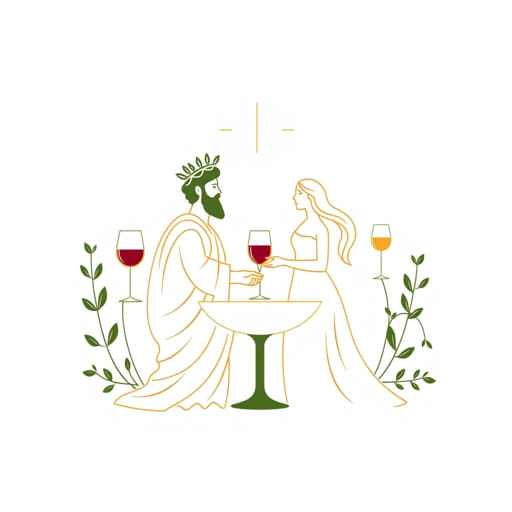
The blending of mythology and visual art has always offered a compelling avenue for storytelling, symbolism, and cultural reflection. One of the most enchanting mythological subjects explored in Renaissance and Baroque art is the tale of Bacchus and Ariadne. Their union, often associated with divine celebration and transformation, is beautifully captured in various artistic representations. Among these, the Feast of the Gods with the Marriage of Bacchus and Ariadne stands out for its depiction of divine festivity, love, and the blending of mortal with immortal. This narrative serves not only as a celebration of mythological romance but also a showcase of artistic imagination, celestial grandeur, and classical symbolism.
The Myth of Bacchus and Ariadne
Who Are Bacchus and Ariadne?
Bacchus, known as Dionysus in Greek mythology, is the god of wine, revelry, and ecstasy. He represents both pleasure and chaos, embodying the duality of celebration and wild abandon. Ariadne, on the other hand, is a mortal princess from Crete. She famously aided Theseus in escaping the Labyrinth after defeating the Minotaur, only to be abandoned by him on the island of Naxos.
According to myth, Bacchus discovered Ariadne alone and heartbroken on Naxos. Enchanted by her beauty and compassion, he fell in love with her and ultimately made her his immortal bride. This moment of divine intervention transforms a tragic human story into one of transcendence and eternal joy, making it a popular theme in art and literature.
Symbolism in the Marriage
- Transformation: Ariadne’s ascent from mortal to goddess symbolizes renewal and rebirth.
- Unity of Opposites: The rational order Ariadne once represented contrasts with Bacchus’s wild nature, symbolizing balance.
- Fertility and Celebration: Their union is often associated with abundance, the harvest, and sensual pleasure.
The Feast of the Gods as an Artistic Theme
Depicting Divine Celebration
Feasts of the gods have long been a theme in Renaissance and Baroque art, where artists would use mythological narratives to explore human behavior, moral dilemmas, and aesthetic ideals. In paintings that feature the marriage of Bacchus and Ariadne within a divine feast, the viewer is presented with a rich tapestry of deities, satyrs, nymphs, and celestial ambiance.
The gods are often shown in revelry drinking, playing music, laughing all while the central figures of Bacchus and Ariadne are spotlighted in a moment of romantic union. This contrast between the frenzied festivity and the serene affection of the couple creates a dynamic yet balanced visual narrative.
Common Elements in Visual Representations
- Opulent Table Settings: Overflowing with grapes, wine, meats, and golden vessels symbolizing abundance.
- Floral Garlands and Wreaths: Often adorning the heads of Bacchus and Ariadne, representing fertility and divine favor.
- Mythical Creatures: Satyrs, fauns, and centaurs often appear, reinforcing the mystical and untamed aspects of the gathering.
Notable Artistic Interpretations
Renaissance Masterpieces
During the Renaissance, artists like Titian and Giovanni Bellini depicted Bacchus and Ariadne with rich detail and emotional resonance. Though they may not have painted a singular Feast of the Gods with the Marriage of Bacchus and Ariadne, their works, when viewed together, contribute to the complete narrative arc.
In Titian’s ‘Bacchus and Ariadne,’ Bacchus is shown leaping from a chariot towards Ariadne, capturing the instant he falls in love. The background features his entourage, already celebrating, suggesting a divine feast in progress. This composition, with vivid color and motion, breathes life into myth and sets the stage for their wedding.
Baroque Celebrations
Baroque interpretations, such as those by Rubens, often emphasize the drama and sensuality of divine revelries. These works present robust, energetic figures with intense emotion and movement. In a Baroque depiction of this mythological feast, Bacchus might be raising a golden cup while Ariadne is crowned with stars, marking her apotheosis as a goddess.
Thematic Depth and Cultural Relevance
From Myth to Allegory
Beyond its narrative charm, the union of Bacchus and Ariadne has been used allegorically to represent:
- Love and Redemption: Ariadne’s sorrow is redeemed by divine love.
- Harmony of Nature and Emotion: Bacchus brings ecstatic transformation, Ariadne brings structured beauty.
- Celebration of the Arts: Bacchus is linked to drama and theater, Ariadne to craft and weaving, uniting all aspects of artistic expression.
Human Emotion in Divine Form
By depicting gods with deeply human emotions love, jealousy, joy artists invite viewers to see reflections of themselves in mythological tales. This emotional relatability is part of what has made the Feast of the Gods with the marriage of Bacchus and Ariadne so enduring and relevant.
Influence on Modern Interpretations
Continued Inspiration
Modern artists, designers, and even writers continue to find inspiration in this myth. The image of divine love overcoming abandonment, of joy arising from sorrow, resonates across cultures and time periods. It is also reflected in theater, opera, and ballet performances based on classical mythology.
Educational and Museum Relevance
Today, works that depict the wedding of Bacchus and Ariadne are featured in major museums and are studied in art history programs. They provide insight into artistic techniques, mythological symbolism, and the social values of the eras in which they were created.
The tale of Bacchus and Ariadne, especially when framed within the context of a divine feast, offers a rich blend of mythology, emotion, and artistic grandeur. Representations of the Feast of the Gods with the Marriage of Bacchus and Ariadne showcase not just a romantic union but also a celebration of transformation, divine favor, and eternal joy. Through lush visuals and layered symbolism, these artworks continue to captivate and inspire audiences, inviting us to explore themes of love, redemption, and the powerful union between human experience and divine mythology. Whether viewed through Renaissance elegance or Baroque intensity, the story remains a timeless beacon of artistic brilliance and emotional resonance.