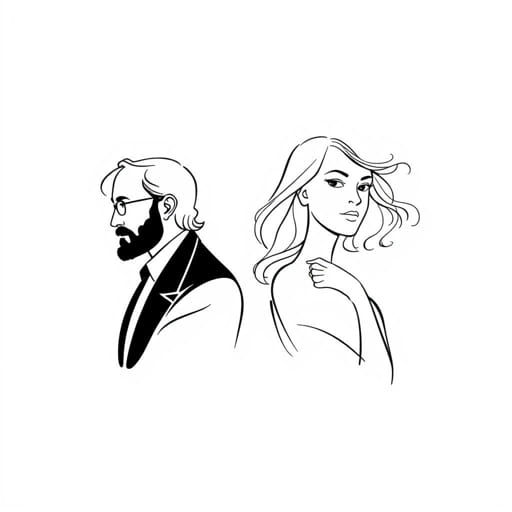
Erik Satie and Suzanne Valadon were two remarkable figures of the late 19th and early 20th centuries whose brief yet intense romantic relationship remains a fascinating story in the world of art and music. Their affair, although short-lived, left an emotional imprint on Satie and added a layer of intrigue to both their biographies. Erik Satie was a composer known for his eccentric personality and minimalist compositions, while Suzanne Valadon was a painter and model who broke social boundaries in the art world. Their paths crossed in the vibrant artistic scene of Montmartre, Paris, where creative minds and bohemian lifestyles thrived.
Who Was Erik Satie?
Erik Satie, born in 1866, was a French composer and pianist whose music significantly influenced the development of modern classical music. Known for his unique, often whimsical compositions, Satie challenged the conventions of musical form and harmony. His works, such as the Gymnopédies and Gnossiennes, are still widely performed and admired today for their quiet introspection and emotional depth.
Aside from his musical innovations, Satie was also known for his eccentric behavior. He lived in a modest room filled with umbrellas and was famous for his peculiar routines and humorous writings. Despite his quirks, Satie had a profound understanding of artistic expression, often blending music with visual and literary elements. His friendships with avant-garde artists and poets shaped his career and introduced him to new creative ideas.
Who Was Suzanne Valadon?
Suzanne Valadon, born in 1865, was a groundbreaking female artist in France. Starting her career as a model for prominent painters like Renoir and Toulouse-Lautrec, she later became an accomplished painter herself. Her works often portrayed women in bold, unidealized forms, challenging the traditional depiction of femininity in art.
Valadon’s personal life was as colorful as her artistic journey. She was known for her strong personality, independence, and unconventional choices, especially in a male-dominated art world. Her relationships and her role as the mother of painter Maurice Utrillo added to her complex and celebrated biography.
The Meeting of Erik Satie and Suzanne Valadon
Erik Satie met Suzanne Valadon in 1893 in Montmartre, a neighborhood famous for its artistic culture. At the time, both were immersed in the bohemian lifestyle of cafés, cabarets, and creative collaboration. Valadon was already gaining recognition for her work, while Satie was involved in composing music for local performances and revues.
Their meeting sparked an intense romantic affair. Satie fell deeply in love with Valadon, and their relationship quickly became the talk of artistic circles in Paris. They spent time together at Satie’s apartment, and he referred to her as his Biqui, a term of affection. The composer was infatuated, and his emotions during this period greatly affected his personal and creative life.
The Relationship: Passion and Tension
Although Satie was deeply devoted, the relationship between the composer and the painter was not balanced. Valadon, known for her independence, maintained her freedom and refused to settle into traditional roles. This contrast in expectations eventually led to the breakdown of their relationship.
Key Aspects of Their Romance:
- Intense Infatuation: Satie’s affection for Valadon was passionate and all-consuming.
- Creative Influence: Their time together sparked emotional expression in Satie’s music and inspiration in Valadon’s art.
- Emotional Imbalance: Satie desired a committed relationship, while Valadon valued her autonomy.
- Short Duration: The romance lasted only about six months, but it left a deep mark on both their lives.
After the breakup, Satie was heartbroken. It is believed that he never had another serious romantic relationship, and he later described the emotional pain caused by the separation. Some scholars suggest that the experience influenced his later compositions, which often carry a melancholic or introspective tone.
Artistic Legacy and Lasting Impact
Though their relationship was brief, both Erik Satie and Suzanne Valadon continued to develop their careers in ways that would leave lasting legacies. Their connection is often viewed as a symbol of the emotional complexity behind creative brilliance.
Erik Satie’s Post-Valadon Period
Following the end of his relationship with Valadon, Satie immersed himself in work. He composed new pieces that reflected deeper emotional layers, moving beyond the playful style of his earlier works. His collaborations with artists like Jean Cocteau and Pablo Picasso in later years highlight his continued influence in the avant-garde scene.
Suzanne Valadon’s Artistic Growth
Valadon, meanwhile, focused on developing her painting career. She became one of the first female artists admitted to the Société Nationale des Beaux-Arts and was recognized for her bold, expressive portraits. Her refusal to conform to societal expectations continued to make her an icon of independence in the art world.
Why Their Relationship Still Fascinates
The story of Erik Satie and Suzanne Valadon captivates people even today because it embodies the intersection of love, art, and human vulnerability. Their brief affair reveals much about the challenges faced by artists whose passion for their craft sometimes outweighs their ability to form lasting personal relationships.
The Allure of Tragic Romance
Romantic stories involving artists often carry a sense of intensity and tragedy. In the case of Satie and Valadon, their romance reflects the beauty and pain of emotional connection. It shows how personal experiences can fuel artistic expression while also highlighting the loneliness that can follow unreciprocated love.
Montmartre: A Backdrop of Inspiration
The cultural environment of Montmartre in the 1890s played a vital role in their story. Surrounded by poets, dancers, painters, and musicians, Satie and Valadon were part of a unique creative explosion. This setting contributed to their artistic innovations and framed their relationship as part of a larger cultural narrative.
Erik Satie and Suzanne Valadon may have shared only a short chapter in each other’s lives, but the impact of their relationship continues to echo in the history of art and music. Their story reminds us of the emotional struggles behind creative success and the vulnerability that often lies beneath artistic genius. Through their works, both artists left behind a legacy that continues to inspire, and their brief romance adds a deeply human element to their otherwise iconic lives.