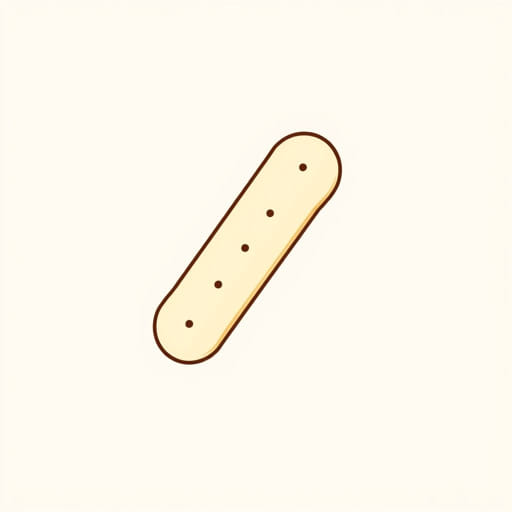
Drawing a ladyfinger, also known as okra or bhindi in various cultures, can be a simple and enjoyable artistic exercise for beginners and children. With its distinct elongated shape, ridged body, and pointed tip, a ladyfinger makes for a recognizable and easy vegetable to illustrate. Whether you’re an aspiring artist, a teacher looking for drawing activities, or someone interested in botanical sketches, creating an easy drawing of a ladyfinger can help improve your observation skills and hand-eye coordination. Let’s explore how to draw this vegetable in a few manageable steps while understanding its structure and visual elements.
Understanding the Shape of a Ladyfinger
Before you start sketching, it’s important to observe the natural form of a ladyfinger. It is a long, slender vegetable with slightly curved edges and a tapered end. The surface has soft ridges running vertically, and the top where it connects to the plant has a small cap-like structure, often with a slight curl or leafy crown.
Key Features to Focus On:
- Long and slightly curved body
- Five to six subtle ridges along the length
- Tapered pointed end
- Stem end with a cap-like shape
These features can be simplified or enhanced depending on your skill level and artistic goal. For an easy drawing, focus on capturing the basic outline and one or two details such as the ridges and stem cap.
Step-by-Step Guide to Easy Ladyfinger Drawing
To begin your drawing, you will only need basic materials such as a pencil, eraser, paper, and optional coloring tools like crayons or colored pencils.
Step 1: Draw the Outline
Start by sketching a long oval shape that tapers slightly toward one end. The overall form should be like a narrow cucumber or chili pepper. Make the shape slightly curved to give it a more natural appearance.
Step 2: Define the Tip and Stem
At the narrow end, draw a smooth point to represent the tip of the ladyfinger. At the opposite end, create a small circular or flower-like cap. You can add a few short lines extending from the top to show the green leafy structure of the stem end.
Step 3: Add Ridges
Draw four to six light vertical lines from the stem down to the tip to mimic the natural ridges of a ladyfinger. These lines should curve slightly to match the contour of the vegetable’s body. They don’t need to be perfect or evenly spaced just enough to suggest texture.
Step 4: Outline Refinement
Once you’re happy with the basic structure, go over the lines more confidently to define the final shape. Erase any unnecessary guide lines or overlapping sketches to clean up your drawing.
Step 5: Add Color (Optional)
If you want to make your drawing more realistic or vibrant, color it in using green for the body and a slightly darker green or brown for the stem end. Add light shading along one side to indicate light and volume.
Tips for Drawing a Better Ladyfinger
Here are a few additional tips to enhance your ladyfinger sketching experience:
- Use a reference image of a real ladyfinger for better accuracy
- Keep your hand relaxed to draw smooth curves
- Practice drawing multiple ladyfingers in different orientations
- Experiment with cartoon versions by exaggerating the shape or adding a face for fun
- Try cross-sectional drawings to show the star-like interior shape when cut
Creative Variations for Children and Beginners
Drawing doesn’t have to be rigid. For younger kids or beginners, you can create simplified or playful versions of the ladyfinger.
Cartoon Ladyfinger
Add eyes, a smile, and little hands to make the ladyfinger come alive as a character. This version is great for school projects or children’s books.
Coloring Sheet Style
Use bold outlines and minimal detail so it can be used as a coloring page for early learners. These types of drawings are effective in educational settings to help children identify vegetables.
Using Ladyfinger Drawings in Educational Contexts
Drawings of ladyfingers can be used for a variety of educational purposes:
- In biology lessons to identify vegetable structure
- In early childhood education to teach healthy eating
- In art classes for practicing still life sketching
- In home activities to engage kids creatively with food
These illustrations can be used to combine creativity with learning, helping students understand both form and function.
Benefits of Drawing Vegetables Like Ladyfinger
Drawing vegetables may seem simple, but it has multiple benefits for aspiring artists and students alike. It trains the eye to observe detail and proportions, builds fine motor skills, and allows creativity to flourish in everyday subjects.
Artistic Advantages:
- Improves hand control and line work
- Encourages observational drawing habits
- Helps understand natural forms and symmetry
- Serves as practice for botanical and still life art
Educational Engagement:
- Boosts attention to shape and size in young learners
- Connects artistic activities to food education
- Encourages storytelling through creative illustrations
Creating an easy drawing of a ladyfinger is a simple yet engaging activity that suits all ages and skill levels. With a few basic lines and shapes, anyone can illustrate this recognizable vegetable in a fun and educational way. Whether you’re drawing it for artistic practice, educational use, or creative play, the ladyfinger is a great subject to explore with pencil and paper. The process helps improve observation, drawing accuracy, and even encourages healthy discussions about food and plants. So grab your drawing tools and start sketching your very own ladyfinger today!