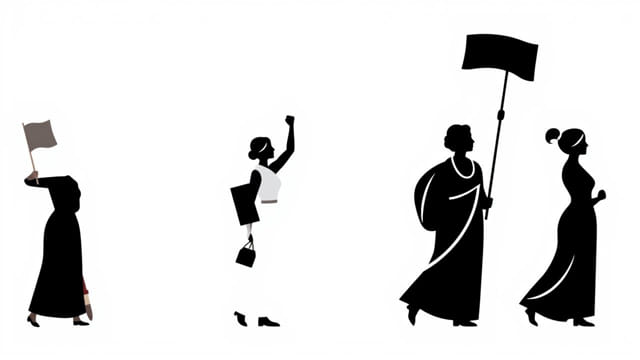
The Pankhurst family played a central role in the British suffragette movement during the late 19th and early 20th centuries. They are remembered not only for their fierce advocacy for women’s right to vote but also for their bold, and often controversial, methods of protest. Led by Emmeline Pankhurst and her daughters Christabel, Sylvia, and Adela, the family became a symbol of determination, defiance, and political change. Their efforts helped transform the struggle for women’s suffrage in Britain from a quiet, parliamentary issue into a national and international cause. Understanding the work and methods of the Pankhurst family offers a deeper insight into the broader fight for gender equality in the modern era.
The Leadership of Emmeline Pankhurst
Founding the WSPU
Emmeline Pankhurst founded the Women’s Social and Political Union (WSPU) in 1903. Disappointed by the slow pace of reform through peaceful campaigning, she established the WSPU with a new motto: Deeds, not words. The organization was committed to direct action and militant tactics, a sharp contrast to earlier suffrage societies that emphasized negotiation and patience.
Militant Philosophy
Under Emmeline’s leadership, the WSPU adopted increasingly militant methods. She believed that the British political system responded only to pressure, not persuasion. This philosophy led to a series of aggressive campaigns designed to force the government to pay attention to women’s demands.
Christabel Pankhurst: Strategic and Legal Tactics
Legal Background and Strategy
Christabel Pankhurst, Emmeline’s eldest daughter, was trained in law and brought a sharp strategic mind to the WSPU. She was instrumental in shaping the movement’s legal battles and public image. Christabel focused on organizing demonstrations, managing publicity, and planning actions to provoke arrests and media attention.
Media Manipulation and Symbolism
One of Christabel’s key contributions was her skill in using the media. She understood how to frame events to generate sympathy and outrage. From hunger strikes to public speeches, every action was designed to control the narrative and highlight the injustice of denying women the vote.
Sylvia Pankhurst: Socialist and Grassroots Organizer
Divergence from the WSPU
Unlike her mother and sister, Sylvia Pankhurst aligned her activism with socialist ideals. She believed that the suffrage movement should address broader issues of class and poverty. This ideological difference eventually caused her to break from the WSPU and form the East London Federation of Suffragettes (ELFS).
Community-Based Activism
Sylvia focused on working-class women, organizing education programs, clinics, and food distribution in poor areas. Her methods were less confrontational but more inclusive, reflecting a belief that the movement should lift up all women, not just the middle class. She also opposed World War I, further distancing herself from the more nationalistic stance of her mother and sister.
Adela Pankhurst: Activism Abroad
Relocation to Australia
Adela Pankhurst eventually moved to Australia, where she continued her activism but followed a different path. Initially involved in socialist politics, she later became part of more conservative and nationalist movements. Her journey reflects the complexity and divergence of ideas even within one activist family.
Continued Influence
Although Adela’s methods and ideologies evolved significantly, her foundation in the suffrage movement and lessons learned from her family shaped her approach to political work in Australia. Her contributions highlight the international reach of the Pankhurst legacy.
Methods of Protest and Resistance
Direct Action and Civil Disobedience
The Pankhursts believed that confrontation was necessary to achieve real change. Their methods included:
- Organizing public marches and rallies
- Interrupting political meetings
- Chaining themselves to government buildings
- Smashing windows of government offices
- Setting fire to empty buildings as acts of protest
These tactics shocked the public but forced political leaders to confront the suffrage issue more directly.
Imprisonment and Hunger Strikes
Many suffragettes, including the Pankhursts, were arrested multiple times. Once imprisoned, they often went on hunger strikes to protest their treatment and draw public attention to their cause. The government responded with the controversial Cat and Mouse Act, which allowed the temporary release of hunger-striking prisoners until they regained strength, only to be re-arrested.
Propaganda and Visual Messaging
The WSPU, under the Pankhursts’ guidance, used powerful visual propaganda. Posters, sashes, and badges featured the movement’s colors purple, white, and green and were designed to make suffragettes easily recognizable. These symbols became associated with bravery, dignity, and justice.
Legacy and Long-Term Impact
Contribution to Women’s Suffrage
The relentless activism of the Pankhurst family significantly contributed to the eventual granting of voting rights to women in Britain. Although they did not live to see full equality achieved, their efforts helped secure partial suffrage in 1918 and full suffrage by 1928 for women over 21.
Inspiration for Future Movements
The methods and philosophy of the Pankhursts influenced future civil rights campaigns around the world. Their combination of symbolic protest, media engagement, and strategic civil disobedience became a model for movements in the 20th and 21st centuries.
Commemoration and Critique
The Pankhursts remain both celebrated and debated. While their bravery and commitment are honored, especially in memorials and statues, some critics argue that their focus on militant tactics and middle-class women excluded other voices. Sylvia’s efforts to include working-class women are now seen as an important counterpoint within the same family legacy.
The work and methods of the Pankhurst family were transformative in the fight for women’s suffrage in the United Kingdom. From Emmeline’s founding of the WSPU to Christabel’s sharp legal strategy, Sylvia’s grassroots organizing, and Adela’s international activism, the family left a profound impact on political history. Their willingness to take bold, often dangerous steps challenged societal norms and forced meaningful discussion about gender equality. Today, the legacy of the Pankhursts continues to resonate as a symbol of courage, conviction, and the enduring fight for justice.