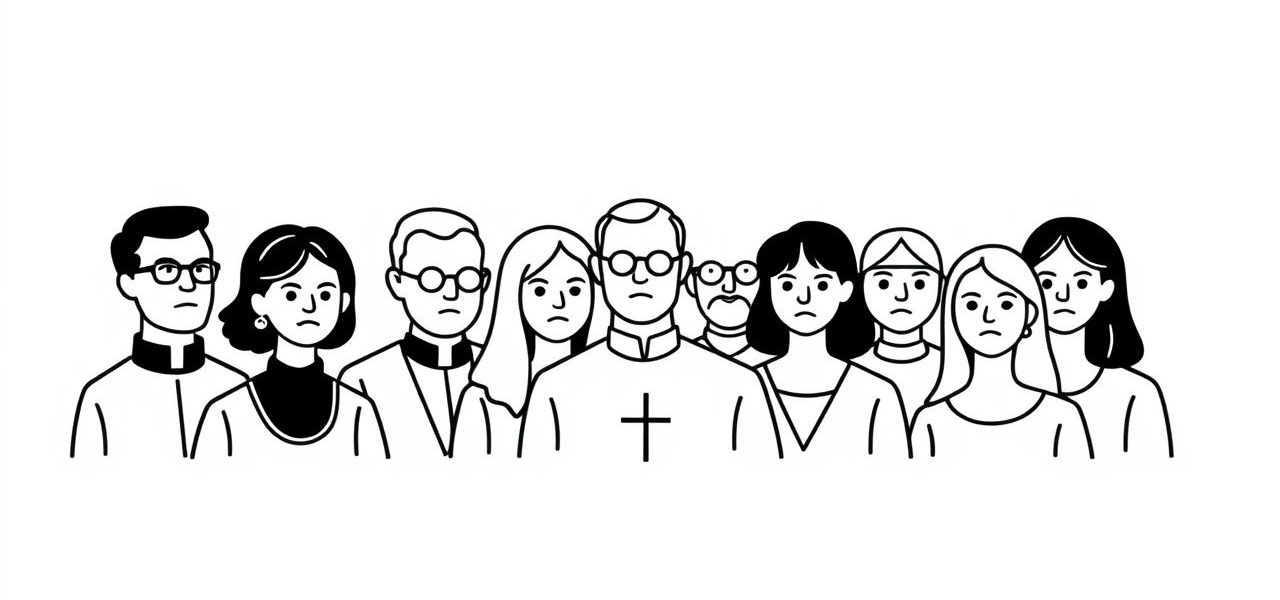
During the height of the Vietnam War in the 1960s, a diverse coalition of religious leaders and concerned citizens came together under a banner of moral protest. Known as Clergy and Laymen Concerned About Vietnam (CALCAV), this organization played a vital role in challenging U.S. involvement in the war. At a time when dissent was often viewed with suspicion, CALCAV provided a unique moral and spiritual voice that called for peace, justice, and compassion. Comprised of influential figures from various religious denominations, including Christian, Jewish, and Buddhist communities, the group brought a powerful moral argument to the national conversation, encouraging Americans to question the ethical justification for continued military action in Southeast Asia.
Origins of Clergy and Laymen Concerned About Vietnam
Formation and Motivation
Clergy and Laymen Concerned About Vietnam was officially founded in 1965, as the U.S. military escalated its involvement in Vietnam. The group was formed by a coalition of religious leaders who were alarmed by the increasing violence and the impact of the war on Vietnamese civilians. Their concerns were not only political but deeply moral, grounded in faith-based teachings on peace, justice, and the value of human life.
Founding Members
- Rev. Martin Luther King Jr., who later became a key figure in the group’s public activism
- Rabbi Abraham Joshua Heschel, a leading Jewish theologian and civil rights advocate
- Reverend William Sloane Coffin, a Protestant clergyman and outspoken critic of the war
- Father Daniel Berrigan, a Catholic priest known for his strong anti-war stance
These individuals, among many others, came together to express a collective moral opposition to the Vietnam War, believing it contradicted both spiritual teachings and American democratic values.
Purpose and Goals of CALCAV
Faith-Based Activism
CALCAV’s mission was rooted in the belief that religious communities had a responsibility to speak out against injustice and violence. The group emphasized nonviolence, dialogue, and reconciliation, rather than military force. Their activism was driven by the idea that religious voices should influence national policy when issues of morality and human dignity are at stake.
Advocacy Objectives
- End U.S. military involvement in Vietnam
- Promote diplomatic solutions and peaceful negotiations
- Encourage public debate on the morality of war
- Support conscientious objectors and draft resisters
By combining religious conviction with public advocacy, the organization sought to shape public opinion and challenge government policies that they saw as morally indefensible.
Public Outreach and Protests
Peaceful Demonstrations
CALCAV organized numerous public events, including peaceful marches, prayer vigils, and sermons focused on the Vietnam War. These events were designed to raise awareness and mobilize religious communities across the country. The group’s peaceful approach aligned with their commitment to nonviolence and their belief in the transformative power of love and compassion.
Martin Luther King Jr.’s Speech at Riverside Church
One of the most significant moments in CALCAV’s history occurred on April 4, 1967, when Dr. Martin Luther King Jr. delivered his famous anti-war speech, Beyond Vietnam: A Time to Break Silence, at Riverside Church in New York City. In this speech, King called the United States the greatest purveyor of violence in the world today and condemned the war as a distraction from the nation’s moral obligations at home.
Media and Publications
In addition to public demonstrations, CALCAV distributed newsletters, pamphlets, and open letters. These publications were used to inform both the public and government officials about the moral arguments against the war. Through their writings, they reached clergy, congregations, students, and policymakers.
Controversy and Government Reaction
Public Backlash
Despite their peaceful message, CALCAV faced criticism from both political leaders and conservative religious groups. Critics accused them of undermining national unity during wartime and aiding the enemy. Some religious leaders were hesitant to mix faith with political activism, fearing it would divide their congregations.
Surveillance and Opposition
As part of broader efforts to monitor the anti-war movement, the FBI placed CALCAV under surveillance. Prominent members were investigated and, in some cases, harassed by government agencies. Nevertheless, the group remained committed to its mission and continued to speak out against the war, viewing the surveillance as proof of the need for moral accountability in government.
Support for Conscientious Objectors
Moral Support for Draft Resisters
One of CALCAV’s major areas of focus was offering support to conscientious objectors those who refused to serve in the military on moral or religious grounds. Many young Americans faced imprisonment or social stigma for resisting the draft. CALCAV provided moral, legal, and emotional support for these individuals, advocating for their rights and publicizing their cases.
Alternative Service and Nonviolence
The group also promoted alternative forms of national service, such as community work, public health, and education. They encouraged young people to live out their convictions through peaceful means, aligning with broader religious teachings on nonviolence and service to others.
Broader Social Impact and Legacy
Intersection with Civil Rights
CALCAV’s work was closely tied to the broader civil rights movement. Many of its members were already active in promoting racial equality and saw the Vietnam War as interconnected with domestic issues such as poverty, racial injustice, and economic inequality. This intersectional approach helped bridge different social movements and unify activists under common goals.
Evolution into Other Movements
After the Vietnam War ended, CALCAV continued to evolve. The organization expanded its focus to include global peace, nuclear disarmament, and economic justice. It eventually became part of a broader movement for social change led by people of faith, paving the way for future religious activism in issues like apartheid, climate change, and immigration rights.
Clergy and Laymen Concerned About Vietnam played a vital and often underappreciated role in the American anti-war movement. By bringing a powerful moral voice to the debate, the group challenged the prevailing narrative of war and nationalism. Through peaceful protest, public advocacy, and unwavering spiritual conviction, CALCAV reminded the nation that war is not only a political issue, but a deeply human and moral one. Their legacy endures in the ongoing tradition of faith-based activism, and their message continues to resonate in today’s efforts for peace and justice across the world.