Replacing your vehicle’s brake pads is a necessary part of regular car maintenance, yet many drivers are unsure how much it really costs. The brake pad replacement cost can vary significantly based on several factors, including vehicle type, location, labor charges, and whether you replace just the pads or other components too. Since functioning brakes are crucial for road safety, it’s essential to understand how these costs are structured and what to expect when it’s time for a brake pad replacement. Whether you drive a compact car, an SUV, or a high-performance vehicle, this guide will help you navigate the average prices, the signs your brake pads need changing, and ways to save money without compromising quality.
What Are Brake Pads and Why Do They Matter?
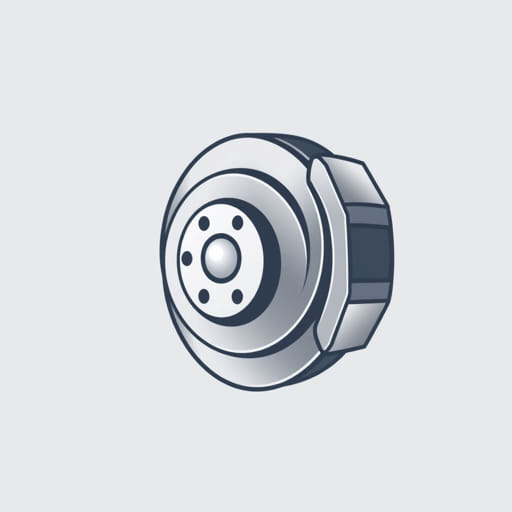
Brake pads are part of the braking system in most vehicles and are essential for slowing down or stopping the car. When you press the brake pedal, the brake pads apply friction to the brake rotors, which slows the wheels down. Over time, the friction wears the pads down, making them less effective and potentially dangerous if not replaced promptly.
Common Signs You Need Brake Pad Replacement
Before diving into the brake pad replacement cost, it helps to know when replacement is needed. Some signs include:
- Squealing or screeching noises when braking
- Grinding sounds, which could indicate the pads are completely worn
- Longer stopping distances
- Brake warning light illuminated on the dashboard
- Vibration or pulsation when pressing the brake pedal
Addressing these symptoms early can help prevent further damage and reduce overall repair costs.
Average Brake Pad Replacement Cost
The average brake pad replacement cost typically ranges between $100 and $300 per axle. This includes both parts and labor, but prices can shift depending on various factors such as vehicle type and location.
Breakdown of Cost by Category
- Economy vehicles: $100$150 per axle
- Mid-range vehicles: $150$250 per axle
- Luxury or performance vehicles: $250$500 or more per axle
If you only replace the brake pads and not the rotors or calipers, the cost is generally lower. However, mechanics may recommend changing or resurfacing rotors at the same time for optimal performance and safety.
Front vs. Rear Brake Pad Costs
Most vehicles rely more heavily on the front brakes, which means front brake pads tend to wear out faster than the rear. As a result, you might find yourself replacing the front pads more often. However, the cost per axle is usually similar between front and rear brakes unless specialized components are involved.
Factors That Influence Brake Pad Replacement Cost
Several factors affect how much you’ll pay for brake pad replacement:
1. Vehicle Make and Model
High-end or imported cars like BMW, Mercedes-Benz, or Audi often come with specialized brake systems that require premium parts and more labor. In contrast, common vehicles like Toyota or Honda generally have more affordable parts and quicker labor times.
2. Type of Brake Pads Used
Brake pads come in different materials, each with its own cost and lifespan:
- Organic pads: Cheaper but wear faster
- Semi-metallic pads: Moderate price and durability
- Ceramic pads: More expensive but longer-lasting and quieter
Choosing ceramic pads might cost more initially but can offer savings in the long run due to their durability and performance benefits.
3. Labor Costs
Labor charges vary by region and shop. Dealerships typically charge more per hour compared to independent garages. Labor can range from $80 to $150 per hour depending on location.
4. Additional Services
Sometimes, a brake pad replacement is not enough. You may also need to:
- Replace or resurface rotors
- Flush brake fluid
- Replace brake sensors or hardware
Each additional service increases the total cost but also ensures better braking performance and system longevity.
DIY vs. Professional Replacement
Some car owners consider replacing brake pads themselves to save money. DIY brake pad replacement can cost as little as $40 to $100 for a full set of pads, depending on the brand and material.
Pros of DIY Replacement
- Lower cost for parts
- Full control over materials used
- Learn more about your vehicle
Cons of DIY Replacement
- Requires mechanical knowledge and tools
- Risk of incorrect installation
- No labor warranty or guarantee
If you’re confident in your skills, DIY can be a good option. However, for complex braking systems or newer models with electronic sensors, professional installation is often safer and more efficient.
How to Save on Brake Pad Replacement Cost
There are several ways to reduce the cost of replacing your brake pads without sacrificing quality or safety.
1. Shop Around
Get quotes from multiple service providers, including local garages and national chains. Prices can vary even within the same area.
2. Use Coupons or Promotions
Many auto service centers offer seasonal promotions, discounts for bundled services, or loyalty rewards. Taking advantage of these can lower the final bill.
3. Consider Aftermarket Parts
OEM (original equipment manufacturer) parts are often more expensive. Quality aftermarket brake pads may perform similarly at a lower price point. Always consult with a trusted mechanic to ensure compatibility.
4. Regular Maintenance
Keeping your brake system clean and in good condition can extend the life of your pads and rotors. Avoiding aggressive driving habits such as hard braking also helps reduce wear.
How Often Should Brake Pads Be Replaced?
Brake pad lifespan depends on driving habits, vehicle type, and pad material. On average, brake pads last between 30,000 to 70,000 miles. However, frequent city driving with lots of stops can cause faster wear. It’s best to check your vehicle’s owner manual and have your brakes inspected regularly during service appointments.
Understanding the brake pad replacement cost helps you prepare financially and make informed decisions when it’s time for maintenance. While prices can vary based on multiple factors like vehicle type, parts used, and labor rates, being proactive about brake care ensures your safety and avoids more expensive repairs down the road. Whether you choose professional service or tackle the job yourself, maintaining your brake system should always be a priority for any responsible vehicle owner.