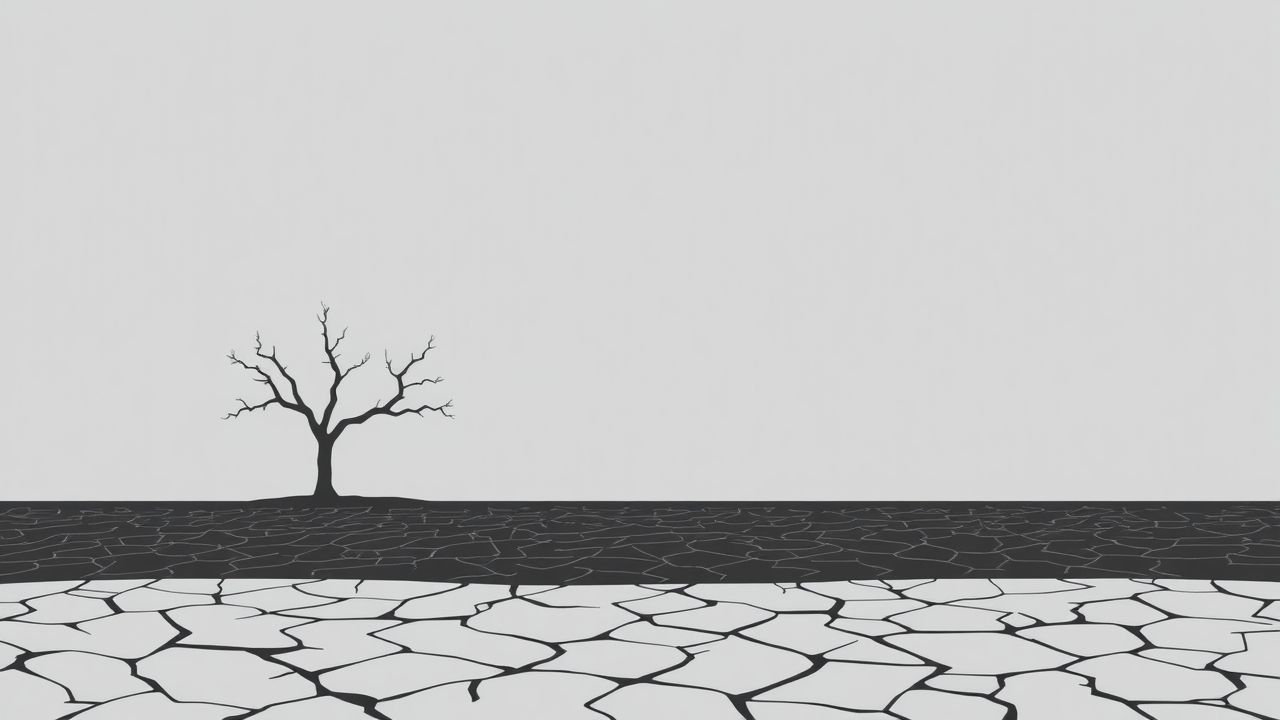
When we come across the words ‘bleak’ and ‘desolate,’ they often evoke a sense of emptiness, isolation, or hopelessness. These words are commonly used in literature, weather reports, emotional descriptions, and even in conversations about remote or abandoned places. Despite being simple, these adjectives carry a deep emotional weight. Understanding the subtle differences between them and their usage can help in communicating ideas more vividly and effectively. This topic explores the meanings of ‘bleak’ and ‘desolate,’ their differences, how they are used in sentences, and their emotional and visual connotations in various contexts.
Understanding the Meaning of ‘Bleak’
The wordbleakis typically used to describe situations, environments, or emotions that appear gloomy, cold, and without hope. It often has connotations of harshness, negativity, or lifelessness. The origin of the word can be traced back to Old Norse, where ‘bleikr’ meant pale or white, which evolved into the current English form used today.
Key Definitions of Bleak:
- Cold and miserable, especially relating to weather or places.
- Without hope or encouragement; depressing.
- Unwelcoming or lacking in warmth or charm.
Examples of ‘bleak’ in sentences:
- The bleak landscape stretched for miles, with nothing but snow and wind in sight.
- After losing his job, his future seemed increasingly bleak.
- The hospital room had a bleak, sterile appearance that made her uneasy.
Understanding the Meaning of ‘Desolate’
The worddesolaterefers to a place that is empty, abandoned, or devoid of life. It also conveys a feeling of extreme loneliness or devastation. ‘Desolate’ can apply to both physical locations and emotional states, intensifying the sense of abandonment and isolation.
Key Definitions of Desolate:
- Deserted and empty of people; barren and uninhabited.
- Feeling or showing misery, unhappiness, or loneliness.
- Devastated or laid waste, often due to tragedy or disaster.
Examples of ‘desolate’ in sentences:
- The once-thriving village now lies desolate after the storm.
- She felt desolate after the sudden loss of her closest friend.
- The desolate island offered no signs of civilization.
Comparing Bleak and Desolate
While both ‘bleak’ and ‘desolate’ can describe grim or uninviting scenes, there are subtle differences in their implications. ‘Bleak’ tends to focus more on coldness, hopelessness, and lack of warmth, whether emotional or physical. ‘Desolate,’ on the other hand, emphasizes emptiness, abandonment, and isolation more strongly. Both can be used to evoke strong imagery in writing or speech.
Comparison Table:
| Aspect | Bleak | Desolate |
|---|---|---|
| Primary focus | Coldness, hopelessness | Emptiness, abandonment |
| Typical usage | Weather, future, emotional tone | Places, emotions, landscapes |
| Emotional impact | Gloomy and harsh | Lonely and devastated |
Use in Literature and Storytelling
Writers often use ‘bleak’ and ‘desolate’ to set a mood or tone in their stories. For example, ableak winter morningimmediately paints a picture of cold winds, gray skies, and lifeless streets. Adesolate wastelandbrings to mind an abandoned, ruined space with no signs of life. These words are powerful tools for building atmosphere and helping the reader feel the setting.
Examples in Literature:
- In Charles Dickens’s novels, many settings are described as bleak to reflect the harsh realities of the characters’ lives.
- Post-apocalyptic stories often feature desolate cities to emphasize the absence of civilization.
Emotional and Psychological Connotations
Both terms are also used to describe emotional states. A person can feel ‘bleak’ when they see no hope or opportunity in their future. Similarly, someone may feel ‘desolate’ when suffering from loneliness or personal loss. These emotional uses help convey the depth of a person’s psychological pain or state of mind.
For example:
- After the breakup, her world seemed bleak and uncertain.
- He was left desolate, surrounded by silence in the empty house.
Using ‘Bleak’ and ‘Desolate’ in Creative Writing
Writers can enhance the emotional impact of their work by carefully choosing between ‘bleak’ and ‘desolate’ depending on what they want to convey. ‘Bleak’ might be more appropriate for expressing general despair or harsh circumstances, while ‘desolate’ can emphasize total isolation or emptiness.
Tips for Using These Words Effectively:
- Use ‘bleak’ to describe difficult conditions, such as bleak weather or bleak financial prospects.
- Use ‘desolate’ when writing about abandoned places, emotional emptiness, or disaster-stricken areas.
- Combine sensory details with these adjectives to create vivid scenes.
Common Phrases with ‘Bleak’ and ‘Desolate’
Both adjectives appear in many common expressions and descriptions:
- ‘Bleak outlook’ Often used to describe a grim future or negative prospects.
- ‘Bleak landscape’ Typically refers to a cold, lifeless area without vegetation or color.
- ‘Desolate town’ Indicates a place that is abandoned or lacking in life.
- ‘Desolate heart’ A poetic way of describing deep emotional sorrow.
Choosing the Right Word
Understanding the meaning of ‘bleak’ and ‘desolate’ helps in using them appropriately in various contexts. While they may appear similar, their nuances can change the tone and depth of your sentence. Whether you are writing a descriptive paragraph, conveying emotion in dialogue, or trying to set a specific mood, selecting between ‘bleak’ and ‘desolate’ can strengthen your writing.
Use ‘bleak’ when focusing on a harsh, cold, or hopeless atmosphere. Choose ‘desolate’ when emphasizing loneliness, emptiness, or abandonment. With practice, these words can become powerful tools in your vocabulary, allowing you to express deeper layers of meaning in your communication.