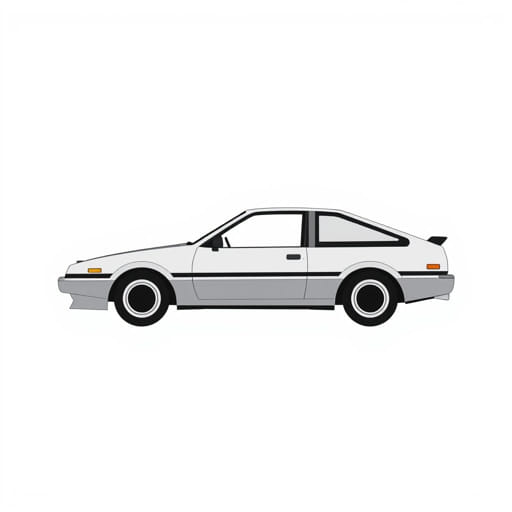
Among automotive enthusiasts, especially fans of Japanese sports cars, the AE86 Toyota Sprinter Trueno holds an iconic place. This lightweight, rear-wheel-drive compact coupe from the 1980s is known not just for its agile handling and sporty spirit but also for the cultural legacy it left behind. It gained global fame through motorsports, drifting culture, and its prominent role in the anime and manga series Initial D. Although its specifications may not appear overwhelming compared to modern performance vehicles, the AE86 represents a perfect blend of balance, driver engagement, and affordability that continues to captivate car lovers decades after its release.
Overview of the AE86 Toyota Sprinter Trueno
History and Production
The AE86 was part of the fifth-generation Toyota Corolla range, produced between 1983 and 1987. It was sold under two primary names: the Toyota Corolla Levin and the Toyota Sprinter Trueno. The AE86 designation refers specifically to the rear-wheel-drive versions of these models. While most Corollas at the time shifted to front-wheel-drive layouts, the AE86 retained the traditional rear-wheel-drive setup, which contributed significantly to its reputation in motorsports and street racing.
Design and Styling
The AE86 Sprinter Trueno is best recognized for its pop-up headlights, giving it a distinctive face compared to its sibling, the Corolla Levin, which used fixed headlights. The car’s lightweight body, aerodynamic shape, and sharp lines reflect the compact sports car design of the era. Its two-door coupe or three-door hatchback configuration added to its practical yet stylish appeal.
Technical Specifications
Engine and Performance
At the heart of the AE86 is the 4A-GE engine a 1.6-liter inline-4 DOHC unit that was advanced for its time. It produced approximately 130 horsepower at 6,600 rpm and 110 lb-ft of torque. While those numbers may seem modest today, the car’s lightweight structure allowed for a high-revving, lively driving experience that prioritized driver feedback over brute power.
Drivetrain and Transmission
- Layout: Front-engine, rear-wheel-drive (FR)
- Transmission: 5-speed manual
- Differential: Limited-slip differential (optional on some trims)
This combination made the AE86 a favorite for driving enthusiasts and those involved in drifting, where rear-wheel-drive and predictable handling are crucial.
Suspension and Handling
The AE86 used a MacPherson strut front suspension and a four-link coil spring rear suspension with a lateral track rod. This setup provided a good balance between comfort and handling performance. The light chassis and sharp steering made the AE86 agile in corners, ideal for touge (mountain pass) driving and track days.
Trim Levels and Variants
Available Models
- GT: Basic trim with minimal features, lighter weight
- GT-V: Performance-oriented model, often used in motorsports
- GT-APEX: Highest trim level with more comfort features and equipment
The GT-APEX version of the Sprinter Trueno came equipped with power windows, air conditioning, upgraded interior materials, and sometimes even digital dashboards luxuries for a car in its class at the time.
Role in Pop Culture
Initial D and the AE86 Legend
The AE86 Sprinter Trueno achieved cult status largely due to its role in Initial D, a popular Japanese manga and anime series. The main character, Takumi Fujiwara, uses his father’s AE86 to deliver tofu in the mountains of Gunma Prefecture. Through street racing and drifting, Takumi defeats more powerful and expensive cars with skill and precision, showcasing the true potential of the AE86. This exposure made the car legendary among car and anime fans worldwide.
Motorsports and Drifting Scene
Before Initial D, the AE86 was already known in grassroots motorsports. It was widely used in rally racing, touring car championships, and autocross events. Its balanced chassis and dependable engine made it a preferred choice for amateur racers. It also became one of the founding cars in the drifting scene in Japan, thanks to drivers like Keiichi Tsuchiya, also known as the Drift King.
Modern Appeal and Restoration
Collector’s Market
Today, the AE86 is a sought-after collector’s item. Enthusiasts look for well-maintained or restorable examples, often bringing them back to original condition or modifying them with upgraded engines, suspension systems, and custom paint jobs. Prices have steadily increased due to the car’s legacy, limited availability, and the nostalgic appeal it holds.
Aftermarket Support
There is a robust aftermarket community for the AE86. Parts for restoration or performance enhancement are readily available, and numerous tuning shops specialize in this chassis. Popular modifications include:
- Engine swaps (such as 4A-GZE, 20V 4A-GE, or even more modern Toyota engines)
- Coilover suspension systems
- Brake upgrades
- Lightweight wheels and performance tires
- Roll cages and racing seats for motorsports use
Comparison with Modern Cars
Driving Experience
Unlike modern performance cars packed with electronics and driver aids, the AE86 offers a raw, analog driving experience. Drivers feel every input and output, from throttle response to steering feedback. It teaches the importance of momentum and cornering skill rather than relying on horsepower.
Legacy Influence
The spirit of the AE86 lives on in newer models such as the Toyota 86 and Subaru BRZ. These cars are spiritual successors designed with similar philosophies: lightweight chassis, rear-wheel drive, naturally aspirated engines, and balanced handling. Toyota even honored the AE86 with the 86 badge in tribute to its heritage.
The AE86 Toyota Sprinter Trueno may have started as a modest compact car in the early 1980s, but its impact on car culture is anything but small. Its performance, affordability, and emotional connection with drivers have helped it transcend its original purpose. From racetracks to mountain passes and from manga panels to real-life garages, the AE86 continues to be celebrated as a symbol of pure driving joy. Whether you’re a veteran enthusiast or a new fan discovering the magic of old-school cars, the AE86 remains a legendary machine that proves you don’t need massive horsepower to make a lasting impression.