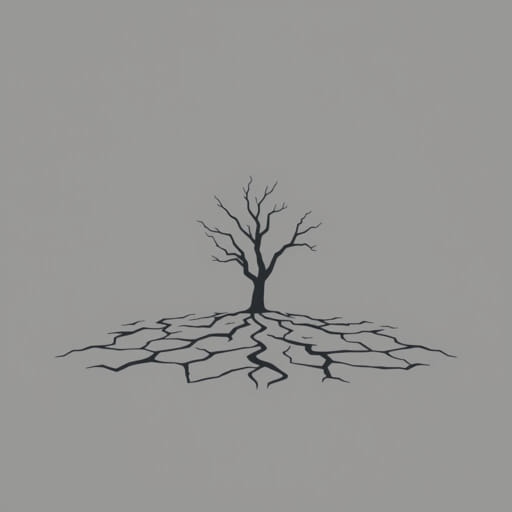
Learning how to use the word ‘barren’ in a sentence can improve your vocabulary and writing skills, especially when you’re trying to describe something empty, unproductive, or lifeless. This adjective is often used to talk about land, people, ideas, or even emotions. A single word like ‘barren’ can bring vivid imagery and emotional depth to a sentence. By exploring its usage in different contexts, you can better understand how to express complex ideas with clarity and nuance.
Understanding the Meaning of ‘Barren’
The word ‘barren’ generally refers to something that is empty, lacking, or incapable of producing anything. Originally used to describe land that could not support plant life or agriculture, the term has since been adopted in many other contexts. It can describe a person who cannot have children, a desert landscape, an empty field, or even an idea that leads nowhere.
Definitions and Nuances
- Land: Barren land means dry, infertile soil where nothing grows.
- People: In a medical or literary context, someone may be described as barren if they are unable to have children.
- Ideas: A plan or concept may be called barren if it is unproductive or lacks substance.
- Emotions: Describing a period of time as barren can imply a sense of emptiness, loneliness, or a lack of progress.
How to Use ‘Barren’ in a Sentence
Using ‘barren’ correctly involves understanding its tone and choosing the right context. It’s a descriptive word that carries a sense of loss or absence, so it works best in serious or reflective writing. Below are several examples of how ‘barren’ can be used in meaningful sentences.
Examples of ‘Barren’ in Different Contexts
- The desert stretched endlessly, a barren wasteland under the blazing sun.
- After years of trying, the couple accepted the difficult truth that the land was barren and would never yield crops.
- His mind felt barren of ideas, as if every creative spark had vanished.
- The queen, once adored, now wandered her barren palace halls alone.
- Winter left the trees barren, their skeletal branches reaching into the cold sky.
These sentences demonstrate how ‘barren’ adds emotional and visual weight to a description. It paints a clear picture and often evokes a somber or reflective mood.
Choosing the Right Sentence Structure
To use ‘barren’ effectively, it helps to consider the sentence structure. You can use it with linking verbs like ‘is’ or ‘was’ to describe a state, or as an adjective before a noun. The tone and rhythm of your sentence will also influence how the word is received.
Using ‘Barren’ With Linking Verbs
- The landscape was barren, offering no sign of life.
- Her hopes were barren after repeated failures.
Using ‘Barren’ Before a Noun
- A barren field stretched out before them, dry and lifeless.
- They abandoned the barren project when it failed to produce results.
Both forms are grammatically correct and commonly used. The choice depends on the style and tone you want to convey.
Creative Writing with ‘Barren’
If you’re writing poetry, fiction, or even a reflective essay, the word ‘barren’ can be a powerful tool. It creates atmosphere and enhances mood. When used carefully, it can connect the reader to feelings of emptiness, longing, or desolation.
Sample Sentence in Creative Context
He stood at the edge of the barren cliff, watching waves crash far below, feeling the same emptiness inside him.
In this sentence, ‘barren’ not only describes the landscape but also mirrors the character’s internal emotional state. This dual meaning adds depth to the writing.
Common Mistakes to Avoid
Because ‘barren’ is a strong and somewhat emotional word, it’s important not to overuse it or apply it in the wrong context. Avoid using it where a more neutral word would be better. Also, be careful not to confuse it with unrelated words that may sound similar.
Tips to Remember
- Use ‘barren’ for descriptions that imply emptiness, lack, or unproductiveness.
- Avoid using it in casual or humorous writing unless done intentionally for effect.
- Don’t confuse ‘barren’ with ‘bare’; ‘bare’ means uncovered, while ‘barren’ means unproductive.
Being precise in your vocabulary helps improve clarity and effectiveness in writing.
Synonyms and Related Words
Sometimes you may want to use a different word with a similar meaning. Here are a few synonyms and their slight differences in usage:
- Desolate: Often used to describe places that are empty and sad.
- Infertile: More technical and often used in agriculture or biology.
- Empty: A general term that is less dramatic than ‘barren.’
- Bleak: Implies coldness or lack of hope, often used for emotional tone.
Choosing the right synonym can help you adjust the mood and level of formality in your writing.
Building Vocabulary Around ‘Barren’
When learning a new word, it helps to connect it with related terms and ideas. This can deepen your understanding and help you remember how to use it properly.
Associated Concepts
- Desert landscapes
- Creative block
- Loneliness or emptiness
- Unsuccessful projects or ideas
Seeing how the word fits into different topics will make it easier to recall and apply in your own writing.
Using ‘barren’ in a sentence adds depth, imagery, and emotion to your writing. Whether you’re describing a dry field, a failed idea, or an emotional state, this word helps express a sense of lack or desolation. By understanding its meaning, usage, and tone, you can use it effectively in both creative and academic contexts. The next time you need a word that captures emptiness or unproductiveness, consider crafting a sentence with ‘barren’ it may be the perfect choice to bring clarity and richness to your expression.