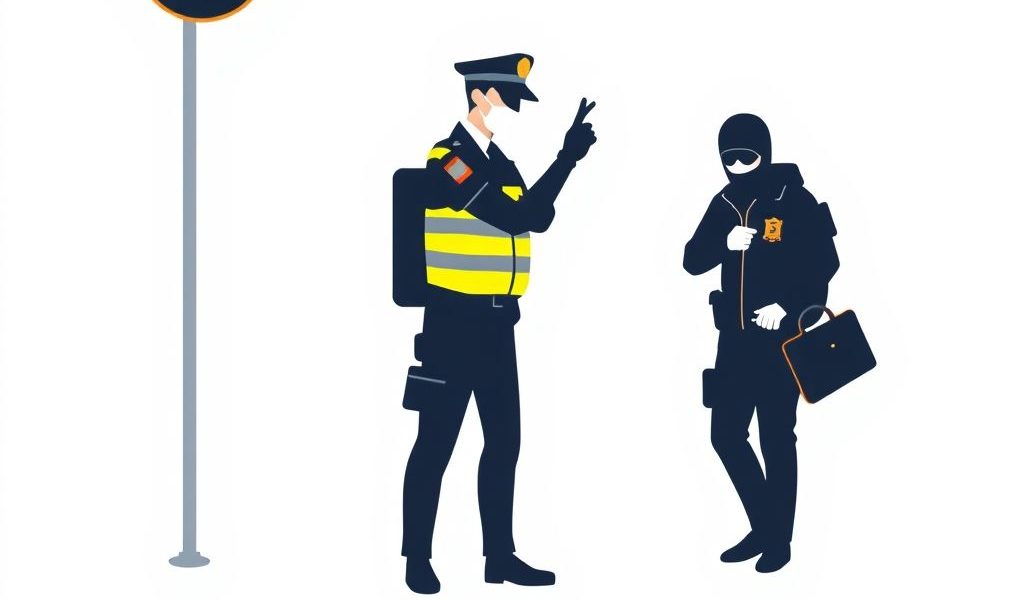
On a warm evening in the heart of the city, a policeman stationed at his regular patrol spot noticed something unusual about 300 meters down the road. His eyes, trained by years of experience, locked onto a figure moving suspiciously close to a row of parked cars. Instinct kicked in immediately. It was not just another pedestrian heading home. This one had quick, darting eyes and a nervous gait. From a distance, it was clear this man might be a thief on the verge of committing a crime. What followed was a classic example of alert policing, swift thinking, and the unfolding of a story that highlights both vigilance and law enforcement strategy in urban environments.
The Role of Observation in Policing
Observation is a key tool in effective law enforcement. A well-trained officer can often identify suspicious behavior from afar. In this case, the policeman’s alertness was crucial. At 300 meters, details are limited. You cannot see facial expressions or hear conversations, but body language, mannerisms, and context provide clues.
Reading Body Language
When the officer noticed the man glancing over his shoulder frequently and lingering too long near unattended vehicles, he recognized telltale signs of someone preparing to act unlawfully. Thieves often perform casing behavior checking their surroundings repeatedly to ensure no one is watching before making a move. These actions stand out when someone is trained to notice them.
Distance Doesn’t Blur Suspicion
Even at a distance of 300 meters, motion and posture can raise red flags. The way a person moves, whether they appear to be lurking or attempting to stay hidden, can draw attention. The thief in question may not have realized that being in plain view yet trying to act discreetly actually made him more noticeable.
Steps Taken by the Policeman
Upon identifying the potential threat, the officer had to make several split-second decisions. Police officers follow procedure when approaching a suspect to ensure their own safety, the safety of others, and the lawful collection of evidence.
- Assessment: The officer assessed the environment, noting the number of pedestrians, traffic, and nearby exits the suspect could use to flee.
- Calling for Backup: While he moved closer, he alerted his partner who was patrolling a nearby street to coordinate a safe approach from multiple directions.
- Non-Confrontational Approach: The officer didn’t run at the suspect or draw attention to himself. Instead, he reduced the distance gradually, using parked cars and street features for cover.
The Thief’s Reaction and Attempt to Escape
As the policeman closed the gap to within 100 meters, the thief appeared to notice the attention. He suddenly quickened his pace, slipping between cars and darting into an alley. This reaction confirmed the officer’s suspicion, initiating a pursuit.
Pursuit Tactics
Chasing a suspect through city streets can be dangerous. Officers are trained in urban pursuit techniques, ensuring they don’t lose the suspect while avoiding civilian casualties. The pursuing officer maintained line-of-sight and relayed the suspect’s direction to his partner.
Cornering and Capture
The thief made a critical error choosing an alley with only one exit. The second officer arrived from the opposite direction, cutting off the thief’s escape. With nowhere to run, the man was apprehended without physical resistance. Upon search, stolen valuables and burglary tools were recovered from his backpack.
Lessons from the Incident
This story is not just about catching a thief. It illustrates broader themes about urban safety, proactive policing, and the importance of citizen awareness. The police officer’s actions show how attentiveness and good training can prevent crime before it happens.
Importance of Quick Thinking
Speedy, logical decision-making in response to suspicious behavior is critical in law enforcement. Delaying action or misjudging a suspect’s intent can lead to a missed opportunity or even danger.
Team Coordination
The coordination between officers was essential in this scenario. Modern policing increasingly relies on team-based strategies where communication and shared awareness play major roles in effective response.
Community Impact
Incidents like this help build community trust in local law enforcement. When residents see police taking proactive steps to prevent theft, confidence in public safety grows. It’s also a reminder to remain vigilant and report anything unusual citizen awareness is a force multiplier for law enforcement efforts.
Educating the Public
Stories like this one can be used in community outreach programs to educate the public about what suspicious behavior looks like and how to report it. Empowering communities to work with police can reduce crime significantly.
Preventive Patrols
This event also highlights the value of regular patrols. Officers on the street can act immediately upon seeing something wrong, unlike reactive responses to emergency calls after a crime has been committed.
Policing Challenges in Modern Cities
While this case ended successfully, it sheds light on the complexities officers face every day. They must navigate dense environments, stay alert amid distractions, and act swiftly without endangering bystanders.
Technology and Surveillance
In many areas, officers are supported by surveillance cameras, body cams, and advanced communication systems. However, the foundation of effective policing remains rooted in observation, intuition, and decision-making the very skills demonstrated by the officer in this story.
Balancing Rights and Security
Another challenge is balancing individual freedoms with public security. Officers must ensure they are acting within the law when approaching suspects, especially when the signs of criminal activity are subtle or circumstantial.
What began with a simple observation from 300 meters away turned into a successful intervention that likely prevented further thefts. The vigilance of the officer, the coordinated response, and the final arrest all contributed to a positive outcome. Incidents like this underscore the importance of field training, teamwork, and the ability of law enforcement to interpret behavior patterns in real-time. Urban safety depends not only on technology and strategy but also on the human instincts of those tasked with protecting the public.