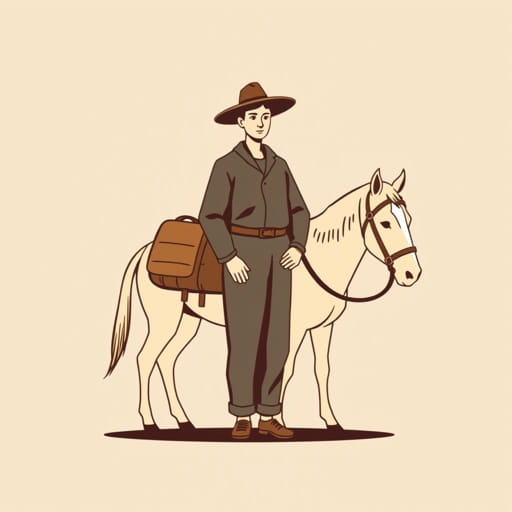
In the heart of southern Spain, the life of a muleteer from Andalucia reflects a rich tradition that has existed for centuries. Muleteers, known locally as arrieros, played a vital role in transporting goods across the rugged and mountainous landscapes of the region. Their work was demanding and required skill, resilience, and a deep connection to the land and animals they cared for. The story of a muleteer from Andalucia offers a window into rural Spanish culture, historical trade routes, and the human spirit’s capacity to adapt and endure through changing times.
The Role of a Muleteer in Andalucia
Muleteers were essential for commerce and communication before modern vehicles and roads. Mules, prized for their strength and sure-footedness, were the perfect animals for navigating narrow paths, steep hills, and uneven terrain typical of Andalucia’s countryside. Muleteers guided caravans laden with goods such as olive oil, wine, textiles, and grains from small villages to larger towns and markets.
Daily Life and Responsibilities
The daily life of an Andalucian muleteer began early in the morning, preparing the animals and loading the cargo carefully. They had to ensure that the load was balanced to avoid injury to the animals and prevent accidents during long journeys. Traveling could be slow and arduous, sometimes covering dozens of kilometers a day across unpredictable weather.
Skills and Knowledge Required
Being a muleteer required more than just physical endurance; it demanded a profound understanding of animal behavior, navigation, and survival skills. The muleteer needed to read the terrain, recognize safe resting spots, and anticipate changes in weather conditions. Their expertise in handling mules was crucial to maintaining the health and stamina of their animals over long distances.
Relationship with the Mules
Muleteers developed a strong bond with their animals. Trust and communication between muleteer and mule were essential for successfully completing journeys. This relationship was built through daily care, feeding, grooming, and training. The animals were more than just beasts of burden; they were companions and partners in the muleteer’s livelihood.
Historical Importance of Muleteers in Andalucia
Muleteers were central to Andalucia’s economy for centuries. Their caravans connected remote villages with urban centers, enabling trade and cultural exchange. Before the construction of modern roads and railways, muleteers were often the only reliable means of transporting goods across the region’s difficult geography.
Trade Routes and Economic Impact
The trade routes navigated by muleteers crossed mountain passes, river valleys, and olive groves. These routes facilitated the exchange of local products and helped maintain economic stability in rural communities. The muleteers’ work allowed Andalucia to flourish as an agricultural and artisanal center.
Cultural Significance and Traditions
The muleteer’s profession also influenced local culture and folklore. Songs, stories, and festivals celebrated the arrieros’ hard work and connection to the land. Traditional clothing, including wide-brimmed hats and sturdy boots, became symbols of their identity.
Festivals and Celebrations
In some Andalucian towns, festivals honoring muleteers continue to this day. These events feature parades of decorated mules, traditional music, and dances. Such celebrations preserve the heritage of the muleteers and educate new generations about their role in regional history.
Challenges Faced by Muleteers
Despite their importance, muleteers often lived difficult lives. Their work was physically demanding, exposed to harsh weather and isolation. Economic changes, including the rise of motorized transport, gradually reduced the demand for mule caravans.
Adaptation to Modern Times
Many muleteers adapted by shifting to tourism or preserving mule-driven transport as a cultural attraction. Today, mule caravans sometimes serve hikers and visitors exploring Andalucia’s natural parks, blending tradition with modern economic needs.
Summary of the Life of an Andalucian Muleteer
- Muleteers guided mules carrying goods through Andalucia’s challenging terrain.
- Their skills included animal care, navigation, and load management.
- They played a key role in maintaining trade and rural economies.
- The profession has deep cultural roots reflected in festivals and folklore.
- Modernization brought challenges, but many muleteers preserved their heritage through tourism.
The story of a muleteer from Andalucia is a testament to human perseverance, skill, and the enduring bond between people and animals. It highlights a way of life that, while changing, remains an important part of Andalucian identity and history. By understanding the role of muleteers, we gain a greater appreciation for the cultural and economic forces that shaped rural Spain and continue to influence it today.