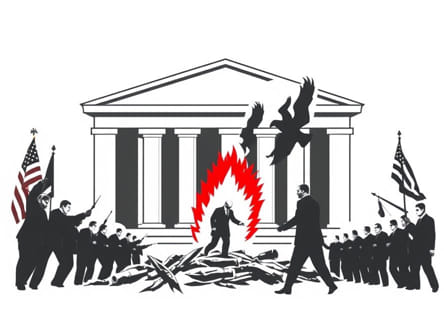
The assassination of President William McKinley stands as a pivotal and tragic event in American history that shook the nation at the turn of the 20th century. On September 6, 1901, while attending the Pan-American Exposition in Buffalo, New York, McKinley was shot by an anarchist named Leon Czolgosz. The attack would lead to the president’s death eight days later, dramatically altering the course of the presidency and ushering in the era of Theodore Roosevelt. Understanding the circumstances surrounding the assassination, the motivations of the assassin, and the aftermath reveals much about the political and social tensions of that era.
Background on President William McKinley
William McKinley was the 25th president of the United States, serving from 1897 until his death in 1901. Known for his pro-business policies and strong support for American expansionism, McKinley led the nation through the Spanish-American War and oversaw the annexation of territories such as Puerto Rico, Guam, and the Philippines. His presidency marked a period of economic growth and increasing international influence for the United States.
McKinley was generally popular among the American public and was re-elected in 1900 for a second term. However, his administration faced challenges from growing social unrest, labor strikes, and the rise of anarchist movements which opposed government and capitalist institutions.
The Pan-American Exposition and the Setting of the Assassination
The Pan-American Exposition was a world’s fair held in Buffalo, New York, in 1901. It was designed to showcase technological innovations and foster goodwill among the nations of the Americas. President McKinley attended the exposition to deliver a speech and to celebrate America’s progress and international relations.
On September 6, McKinley was greeting visitors at the Temple of Music, a building on the exposition grounds. Thousands of attendees had gathered to see the president, making the event a highly publicized and closely watched occasion. Despite warnings about possible threats, McKinley maintained a warm and approachable demeanor, refusing to adopt heavy security measures.
Leon Czolgosz: The Assassin
Leon Czolgosz was a Polish-American anarchist who harbored deep resentment against government and societal elites. Influenced by anarchist ideas that called for the overthrow of oppressive systems, Czolgosz believed that killing McKinley would strike a blow against the government he saw as corrupt and unjust.
On the day of the assassination, Czolgosz concealed a small revolver inside a handkerchief and approached McKinley while the president was shaking hands with the public. As McKinley reached out, Czolgosz fired two shots at close range.
The Shooting and Immediate Aftermath
One bullet grazed McKinley’s shoulder, but the second struck him in the abdomen, causing a serious and life-threatening wound. The president was immediately rushed to a nearby hospital, where doctors worked to treat the injury using the medical knowledge available at the time.
Despite initial optimism about McKinley’s chances, his condition worsened over the following days due to infection and complications. This was a time before the widespread use of antibiotics, and the treatment of gunshot wounds was still rudimentary, making recovery difficult.
- Medical Challenges: The doctors faced difficulties locating the bullet, and internal damage caused serious complications.
- Public Reaction: News of the shooting spread quickly, causing widespread shock and concern across the nation.
- Security Measures: The assassination led to increased security protocols for presidents and public officials.
The Death of President McKinley
On September 14, 1901, eight days after the shooting, President McKinley succumbed to his wounds. His death marked the first assassination of a U.S. president since James Garfield in 1881. McKinley’s passing was mourned nationwide, and his funeral drew large crowds and significant attention.
The vice president, Theodore Roosevelt, was swiftly sworn in as the 26th president of the United States. Roosevelt’s energetic and reform-minded leadership would mark a new chapter in American politics and policy.
Trial and Execution of Leon Czolgosz
Leon Czolgosz was arrested immediately after the shooting and stood trial in a highly publicized proceeding. He showed little remorse, maintaining that he had acted for the good of the people. Czolgosz was found guilty of murder and sentenced to death.
Just over a month after McKinley’s death, on October 29, 1901, Czolgosz was executed in the electric chair. The swift justice was reflective of the national outrage and the desire for closure following the shocking crime.
Impact of the Assassination on the United States
The assassination of President McKinley had profound effects on the country, politically and culturally. It highlighted vulnerabilities in presidential security and led to reforms that would protect future leaders. Additionally, the event shifted the political landscape with Roosevelt’s rise.
- Security Reforms: The Secret Service was given greater responsibility for protecting the president.
- Political Shift: Theodore Roosevelt’s progressive policies reshaped the role of the presidency.
- Public Awareness: The assassination increased awareness of anarchist movements and led to crackdowns on radical political groups.
The Legacy of McKinley’s Assassination
While William McKinley’s presidency was cut short, the assassination is remembered as a significant moment that influenced the trajectory of American history. It demonstrated the dangers posed by political extremism and underscored the need for presidential protection. Furthermore, Roosevelt’s ascent following McKinley’s death ushered in an era of reform and change that defined early 20th-century America.
The event remains a poignant reminder of the fragility of leadership and the deep divisions that can exist within societies. For historians and the public alike, the assassination serves as a study in how sudden tragedy can alter the course of a nation.
The assassination of President William McKinley on September 6, 1901, was a tragic turning point that shook the United States. Carried out by anarchist Leon Czolgosz during a public event at the Pan-American Exposition, the attack led to McKinley’s death eight days later and propelled Theodore Roosevelt into the presidency. This event not only reshaped the American presidency but also sparked changes in national security, political dynamics, and public attitudes toward radicalism. Remembering the assassination and its impact helps us appreciate the complex challenges faced by leaders and the enduring importance of protecting democratic institutions.