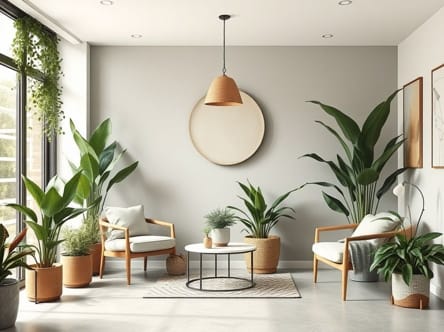
Bringing plants into indoor living spaces has become a popular trend for good reasons. Indoor plants not only enhance the aesthetic appeal of a room but also improve air quality and create a calming atmosphere. When it comes to choosing plantas para interiores salas, or indoor plants for living rooms, it’s important to select varieties that thrive in low to moderate light conditions and are easy to care for. The right indoor plants can transform a dull living area into a vibrant, fresh, and inviting space that promotes wellbeing and comfort.
Benefits of Indoor Plants in Living Rooms
Indoor plants offer multiple advantages beyond decoration. Here are some key benefits that make them ideal for living rooms:
- Improved air quality: Plants naturally filter toxins and release oxygen, helping to purify the air.
- Stress reduction: Being around greenery can reduce stress levels and enhance mood.
- Humidity regulation: Some plants increase humidity by releasing moisture, which can be beneficial in dry indoor environments.
- Noise reduction: Foliage can help absorb sound, reducing noise levels inside rooms.
- Aesthetic enhancement: Plants add texture, color, and life to interior design, making spaces feel more welcoming.
Choosing the Best Plantas para Interiores Salas
When selecting plants for your living room, consider factors such as lighting, space, maintenance requirements, and safety for pets. Many indoor plants thrive with indirect light, which is typical in living rooms. Opt for plants that don’t require daily watering or special care, especially if you’re new to gardening.
Light Conditions
Most living rooms receive indirect sunlight, so plants that thrive in low to medium light are perfect. Avoid species that require full sunlight unless your living room has large windows with plenty of direct light.
Size and Placement
Consider the available space before choosing plants. Tall plants can serve as statement pieces in corners, while smaller plants work well on shelves, coffee tables, or window sills.
Maintenance
Choose plants according to the amount of care you can provide. Some require regular watering and pruning, while others are drought-tolerant and low maintenance.
Pet-Friendly Options
If you have pets, avoid toxic plants. There are many beautiful and safe options that will not harm cats or dogs.
Popular Plantas para Interiores Salas
Here are some of the most popular and easy-to-care-for indoor plants that are ideal for living rooms:
Snake Plant (Sansevieria)
Known for its upright, sword-like leaves, the snake plant is extremely resilient. It tolerates low light and infrequent watering, making it perfect for beginners. It also improves air quality by filtering toxins.
Peace Lily (Spathiphyllum)
With elegant white blooms and glossy green leaves, peace lilies brighten any living room. They thrive in low light and require only moderate watering. Additionally, they help purify indoor air.
Monstera Deliciosa
Also called the Swiss cheese plant, Monstera features large, perforated leaves that add a tropical touch. It prefers indirect sunlight and needs watering once the topsoil dries out.
ZZ Plant (Zamioculcas zamiifolia)
The ZZ plant is known for its waxy, dark green leaves and tolerance for low light and drought conditions. It requires minimal maintenance and can survive neglect, making it ideal for busy households.
Rubber Plant (Ficus elastica)
This plant has large, shiny leaves and can grow quite tall, serving as a focal point in living rooms. Rubber plants do well in moderate light and need watering only when the soil is dry.
Spider Plant (Chlorophytum comosum)
Spider plants produce arching leaves and baby spiders that can be propagated easily. They thrive in bright, indirect light and moderate watering, making them versatile indoor plants.
How to Care for Indoor Plants in Living Rooms
Proper care ensures your plantas para interiores salas remain healthy and vibrant. Here are some basic care tips:
Watering
Overwatering is one of the most common mistakes. Most indoor plants prefer soil that dries out between waterings. Check the soil moisture regularly and water accordingly.
Lighting
Place plants according to their light requirements. Rotate pots occasionally to ensure even growth and prevent leaves from leaning towards the light source.
Humidity and Temperature
Most indoor plants prefer temperatures between 60-75°F (15-24°C) and moderate humidity. You can increase humidity by misting leaves or placing a water tray nearby.
Feeding
Feed your plants with a balanced fertilizer during the growing season (spring and summer) to encourage healthy growth. Reduce feeding in fall and winter when growth slows.
Pruning and Cleaning
Regularly remove dead or yellowing leaves to promote healthy growth and prevent pests. Clean leaves gently to remove dust, improving photosynthesis.
Design Ideas Using Plantas para Interiores Salas
Incorporating plants into your living room décor can be both functional and stylish. Here are some creative ideas:
- Statement Plant Corners: Place large plants like Monstera or Rubber Plants in empty corners to create a natural focal point.
- Plant Shelves: Use floating shelves to display a variety of smaller plants like spider plants, succulents, or pothos for a layered green effect.
- Table Centerpieces: A simple pot with a peace lily or snake plant can add freshness to coffee or side tables.
- Hanging Plants: Use hanging baskets for trailing plants to save floor space and add dimension to the room.
- Mix and Match: Combine different textures and heights of plants for a dynamic and visually interesting arrangement.
Choosing the right plantas para interiores salas can dramatically improve the ambiance of your living room, making it more inviting and healthier. By selecting plants suited to your space and lifestyle, you can enjoy the numerous benefits that indoor greenery offers. From air purification to aesthetic appeal, indoor plants bring a natural touch to your home environment. With proper care and thoughtful placement, your living room can become a peaceful green oasis where both you and your plants thrive.