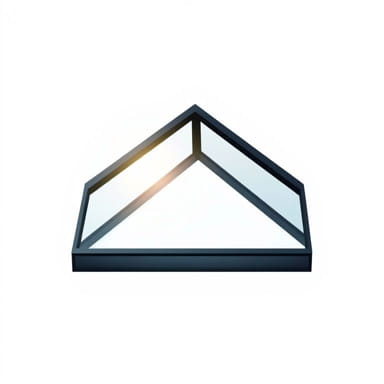
Natural sunlight has long been admired for its ability to enhance the look and feel of any indoor space. Introducing roof glass for sunlight into residential or commercial buildings brings in abundant daylight, reduces energy costs, and creates a seamless connection with the outdoors. Whether used in conservatories, skylights, or modern home extensions, roof glass panels are becoming an increasingly popular architectural feature. By incorporating the right type of roof glazing, homeowners and designers can optimize light flow, improve mood, and make interior spaces feel more spacious and welcoming.
Benefits of Roof Glass for Sunlight
Increased Natural Light
One of the primary reasons people install roof glass is to maximize natural light. This is especially beneficial in darker areas of the house, such as hallways or kitchens that may not have sufficient windows. A glass roof allows sunlight to penetrate deep into the room, brightening up the space and creating a more uplifting atmosphere throughout the day.
Energy Efficiency
When using high-quality, insulated roof glass, it is possible to reduce the need for artificial lighting and heating. Sunlight streaming through a glass roof can help warm up a room naturally, especially during winter months. With the right type of glazing, heat loss can be minimized while still allowing light to pass through, thus improving energy efficiency.
Enhanced Aesthetic Appeal
Glass roofs add a sleek and modern touch to buildings. Whether flat or pitched, they provide a unique architectural element that enhances both interior and exterior design. They work particularly well in extensions, sunrooms, or atriums, giving the area a sophisticated and open feel that can’t be achieved with traditional roofing materials.
Connection with Nature
Roof glass helps bring the outdoors in. It offers a direct view of the sky, trees, and stars at night, creating a calming and natural ambiance. This feature is especially valued in urban environments where access to nature may be limited. A transparent roof helps occupants feel more connected to their surroundings without having to step outside.
Types of Roof Glass for Sunlight
Tempered Glass
Tempered glass is heat-treated to increase its strength compared to regular glass. It’s commonly used in roof applications due to its ability to withstand heavy loads, temperature changes, and minor impacts. If broken, it shatters into small, blunt pieces, reducing the risk of injury.
Laminated Glass
Laminated glass is made by sandwiching a layer of plastic (usually PVB) between two sheets of glass. This structure holds the glass together even when broken, providing added security and noise reduction. It’s ideal for residential roofs where safety and sound insulation are important considerations.
Insulated Glazing Units (IGUs)
Also known as double or triple glazing, IGUs consist of two or more panes of glass separated by air or inert gas. This design improves thermal insulation and prevents heat loss while still allowing light in. IGUs are commonly used in roof glazing systems to enhance energy efficiency and comfort.
Low-E Glass
Low-emissivity (Low-E) glass has a special coating that reflects infrared and UV rays while allowing visible light to pass through. This type of roof glass reduces heat gain in summer and heat loss in winter, making it ideal for homes in varying climates. It also helps protect furnishings from fading due to UV exposure.
Applications of Roof Glass
Skylights
Skylights are perhaps the most popular form of roof glass installation. Available in fixed or vented designs, skylights can be used in bedrooms, kitchens, bathrooms, or hallways to brighten spaces and improve airflow. Modern skylights come with motorized options and rain sensors for added convenience.
Glass Roof Extensions
Roof glass is often used in home extensions to create a seamless and open living area. It allows homeowners to enjoy sunlight year-round without sacrificing comfort or style. Combined with sliding or bi-fold doors, a glass roof extension can transform the way indoor and outdoor spaces are used.
Conservatories and Sunrooms
These rooms are specifically designed to make the most of sunlight. Glass roofing ensures they stay bright and welcoming throughout the day. When using the right thermal glass, conservatories remain warm in the winter and cool in the summer, making them functional in all seasons.
Commercial Buildings
In offices, shopping centers, and lobbies, roof glass installations help create a modern and inviting environment. They improve productivity by allowing natural light into workspaces and can significantly reduce energy bills by lowering reliance on artificial lighting.
Factors to Consider Before Installation
Structural Support
Glass is a heavy material, and the existing roof structure must be assessed to ensure it can handle the additional weight. Professional consultation is essential before beginning any glass roof installation.
Thermal Insulation
To maintain comfort indoors, it’s important to choose glass with good thermal performance. Poor insulation can lead to overheating in summer and heat loss in winter, making the space uncomfortable and increasing energy costs.
Glare and UV Protection
While sunlight is desirable, too much can lead to glare and UV exposure. Consider roof glass that includes tints, coatings, or built-in blinds to control brightness and block harmful UV rays.
Cleaning and Maintenance
Glass roofs need to be cleaned regularly to maintain their clarity and function. Self-cleaning glass, which uses a special coating to break down dirt with sunlight and rain, can reduce maintenance requirements significantly.
Cost Considerations
The cost of installing roof glass for sunlight depends on several factors, including the type of glass, the size of the installation, and the complexity of the structure. While the initial investment may be higher than traditional roofing, the long-term benefits in aesthetics, lighting, and energy savings can make it worthwhile.
Environmental and Health Benefits
Reduced Carbon Footprint
By decreasing reliance on artificial lighting and heating, glass roofs contribute to a lower environmental impact. This aligns with green building practices and sustainable architecture trends that prioritize energy-efficient design.
Improved Well-being
Exposure to natural light is linked to better sleep, increased productivity, and reduced stress. A home or workplace with a roof glass installation can significantly improve the mental and physical health of its occupants.
Installing roof glass for sunlight is an effective way to enhance the living experience in any space. From increasing natural daylight to improving energy efficiency and adding visual appeal, glass roofs offer numerous advantages. Whether for a cozy sunroom, a stylish home extension, or a bright commercial lobby, the right roof glass design can transform how you interact with your indoor environment. Careful planning and quality materials ensure that the investment brings long-term value, comfort, and sustainability to any building.