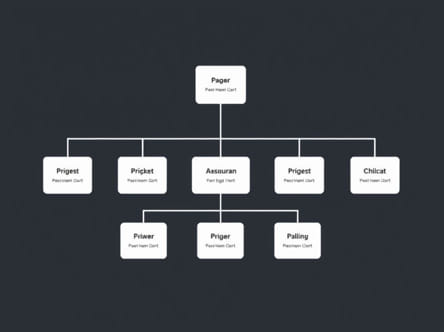
Running a restaurant involves more than just preparing delicious food and offering excellent service. Behind the scenes, a well-structured team is essential to ensure smooth daily operations. A restaurant organizational chart template serves as a visual guide to show how responsibilities and authority flow within the business. Whether you’re managing a small café or a large dining establishment, having a clear structure boosts communication, improves accountability, and enhances operational efficiency. It’s a key tool for both new ventures and established restaurants looking to optimize performance.
What Is a Restaurant Organizational Chart?
Definition and Purpose
A restaurant organizational chart is a diagram that outlines the hierarchy and relationships between different roles within a restaurant. It helps define reporting lines and responsibilities from the top-level management down to entry-level positions. This chart is often used in staff training, internal communication, and business planning.
Benefits of Using an Organizational Chart
- Clarifies roles and responsibilities
- Improves internal communication
- Assists in workforce planning and hiring
- Helps new employees understand the chain of command
- Ensures better delegation and supervision
Key Components of a Restaurant Organizational Chart Template
1. Ownership or Board of Directors
At the top of the organizational chart is the owner or group of owners. In larger operations, there may be a board of directors or investors. This level oversees the entire direction of the business, sets goals, approves budgets, and makes high-level decisions.
2. General Manager or Restaurant Manager
Directly below ownership is the general manager or restaurant manager. This person is responsible for day-to-day operations, hiring decisions, vendor management, inventory control, and ensuring the restaurant runs smoothly. The manager also handles customer complaints and implements company policies.
3. Front of House (FOH) Staff
The front of house team deals directly with customers and is essential to the dining experience. Common FOH positions include:
- Assistant Manager: Supports the general manager with operational duties.
- Host/Hostess: Greets customers, manages reservations, and seats guests.
- Servers: Takes orders, delivers food and drinks, and handles payments.
- Bartenders: Prepares beverages and manages bar area.
- Bussers/Runners: Assist with clearing tables and running food to customers.
4. Back of House (BOH) Staff
Back of house employees handle food preparation and kitchen operations. BOH positions may include:
- Executive Chef: Oversees the kitchen, plans menus, and manages kitchen staff.
- Sous Chef: Second-in-command, assists the executive chef in daily operations.
- Line Cooks: Responsible for cooking dishes according to station assignments.
- Prep Cooks: Prepares ingredients before meals are cooked.
- Dishwashers: Keeps kitchen utensils and equipment clean and sanitized.
5. Support and Administrative Roles
Depending on the size of the restaurant, support staff may also appear in the organizational chart. These roles include:
- HR Manager: Manages recruitment, staff relations, and employee benefits.
- Marketing Coordinator: Promotes the restaurant, manages social media, and handles events.
- Accountant or Bookkeeper: Handles payroll, invoicing, and financial reporting.
Types of Restaurant Organizational Charts
Hierarchical Structure
This is the most common structure in restaurants. It features a clear chain of command, with top management delegating tasks to lower levels. It works best in larger restaurants with many departments.
Flat Structure
In small restaurants or cafés, a flat organizational structure may be more appropriate. This structure has fewer layers of management and promotes flexibility and quick decision-making.
Matrix Structure
Some modern restaurants use a matrix structure where employees report to more than one manager. For example, a server might report to both the FOH manager and the HR coordinator. While more complex, this structure can encourage teamwork and resource sharing.
How to Create a Restaurant Organizational Chart Template
Step 1: Identify Key Roles
Begin by listing all the roles needed for your restaurant. Consider front of house, back of house, and any additional positions based on your business model.
Step 2: Determine Reporting Relationships
Define who reports to whom. This is the core of your chart. Draw lines connecting positions to show direct supervision or communication flows.
Step 3: Choose a Format
Decide whether you want a vertical, horizontal, or hybrid layout. Vertical charts are best for showing clear levels of authority. Horizontal charts can be more readable for smaller teams.
Step 4: Use Software or Templates
You can sketch the chart manually or use tools like Excel, Google Sheets, or online chart creators. Templates can save time and offer professional layouts that are easy to update.
Step 5: Review and Share
Once the chart is completed, share it with your team. Make sure everyone understands their roles and responsibilities. Update the chart whenever staff changes occur.
When to Update the Organizational Chart
Keeping your restaurant organizational chart current is essential. You should review and update it when:
- New employees are hired or current ones leave
- Job responsibilities change significantly
- New departments or roles are added
- There is a shift in management or ownership
A well-maintained chart ensures smooth transitions and helps new staff quickly understand how the team operates.
Common Mistakes to Avoid
- Overcomplicating the chart: Keep it simple and easy to read.
- Omitting key roles: Every position should be included, even part-time roles.
- Failing to reflect reality: Make sure the chart matches actual responsibilities.
- Not sharing with staff: All team members should have access to understand their place in the organization.
A clear and well-designed restaurant organizational chart template is an essential management tool. It helps streamline communication, set clear expectations, and create a professional working environment. Whether your restaurant is big or small, formalizing your team structure leads to better coordination, enhanced accountability, and improved customer service. As your business grows, your organizational chart can evolve with it, ensuring that your team always functions at its best.