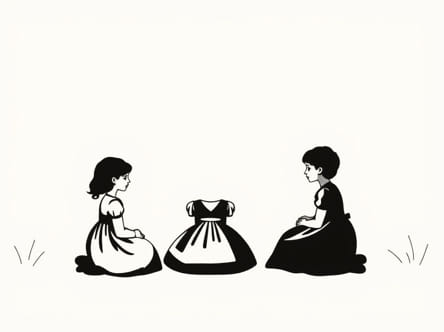
In Victorian Britain, amid rapid industrialization and growing cities, a tragic and often overlooked social reality persisted: the plight of foundling children. These were children who had been abandoned by their parents often left on doorsteps, in alleyways, or at the gates of institutions. The foundling children of the Victorian era became both a symptom and symbol of the harsh socioeconomic conditions of the time. The issue of child abandonment was deeply tied to poverty, illegitimacy, lack of access to contraception, and the rigid moral codes of 19th-century society. Exploring the life and treatment of foundlings in this period sheds light on the darker corners of Victorian social history and highlights the roots of modern child welfare systems.
Understanding the Term ‘Foundling’
A ‘foundling’ refers to an infant or small child who has been abandoned by their parents and discovered by others. During the Victorian era, foundlings were often the result of societal stigma surrounding illegitimacy or extreme poverty. With few options available to desperate mothers many of them unmarried or working in servitude abandonment became a last, painful resort.
Reasons for Child Abandonment
Several interlocking factors led to the abandonment of children in 19th-century Britain:
- Illegitimacy: Children born out of wedlock were seen as a shameful burden, and their mothers were often ostracized.
- Poverty: Many families were simply unable to feed another mouth, especially in overcrowded urban environments.
- Lack of Birth Control: Women had very little control over reproduction, leading to unintended pregnancies.
- Employment Restrictions: Working women, especially domestic servants, were often dismissed if they became pregnant, losing both income and housing.
The Role of Foundling Hospitals
Institutions like the Foundling Hospital in London played a major role in responding to the crisis of abandoned children. Founded in 1739 by philanthropist Thomas Coram, the hospital continued its operations into the Victorian period. While initially designed to take in all children in need, overwhelming demand soon forced the institution to set conditions only accepting infants under a certain age or those left with identifying tokens such as ribbons or coins.
Life Inside the Institutions
Life in a foundling hospital or orphanage was far from ideal. While better than starvation or exposure on the streets, the conditions were often strict, regimented, and lacking in emotional warmth. Children were given basic education, food, and shelter, but they lived under rigid discipline. Personal identities were often erased; children were renamed and separated from siblings.
In many cases, foundlings were ‘fostered out’ to wet nurses in the countryside during their early years. They were brought back to the institutions for formal education and training, often in preparation for work as domestic servants or soldiers.
Foundlings in Workhouses
Not all foundlings were lucky enough to find a place in a charitable institution. Many ended up in the dreaded workhouses established under the Poor Law Amendment Act of 1834. These were harsh environments meant to discourage reliance on public assistance. Foundling children in workhouses lived under punishing conditions, performing manual labor and receiving only the most basic education.
Exploitation and Abuse
Unfortunately, many foundling children were subjected to abuse, neglect, or even exploitation. With little oversight and few legal protections, they were vulnerable to maltreatment by caregivers, labor employers, or even fellow inmates in the institutions. Some were sent into forced apprenticeships or labor contracts that were little better than servitude.
Public Perception and Social Reform
Throughout the 19th century, public perception of foundlings began to shift. As awareness grew thanks in part to literature, journalism, and public campaigns so too did the recognition of the need for reform. Writers like Charles Dickens used their novels to highlight the plight of orphaned and abandoned children, inspiring empathy and action among readers.
Key Reform Movements
Several important reforms during the Victorian era sought to improve the lives of foundling children:
- The Ragged Schools Movement: Provided free education to poor and orphaned children.
- The Children’s Employment Commission (1840s): Investigated child labor and recommended protective laws.
- The 1870 Elementary Education Act: Mandated basic education for all children, including foundlings.
- The Infant Life Protection Act (1872): Required registration of baby farms to prevent infant mortality caused by neglect.
The Emotional Toll of Abandonment
While the physical conditions of foundlings’ lives were often documented, the emotional and psychological impacts were less visible but no less real. Growing up without a known family, without affection or identity, many foundlings suffered lifelong effects. The anonymity that institutions imposed erasing birth names and personal histories created a void in identity that some could never fill.
The Legacy of the Victorian Foundlings
The story of the foundling children of the Victorian era is not just a grim chapter in social history; it is also the foundation of many modern child welfare systems. The suffering of these children eventually led to legal reforms, charitable organizations, and state systems designed to protect vulnerable youth. Modern foster care, child protection laws, and adoption practices can trace their roots back to the Victorian efforts to deal with abandoned children.
Continuing Challenges
While formal abandonment has become rare in developed countries, many of the underlying issues poverty, abuse, family breakdown still contribute to children being placed in state care. The echoes of the Victorian experience remind us that society’s responsibility toward its most vulnerable members remains a pressing concern.
Foundling children in the Victorian era represent a heartbreaking aspect of British history shaped by social norms, economic hardship, and institutional indifference. Yet their stories also serve as powerful reminders of the need for compassion, reform, and vigilance. As society evolved, so too did the understanding of children’s rights and the importance of care, love, and identity in shaping a healthy future. The legacy of these forgotten children continues to inform how we care for the most vulnerable among us today.