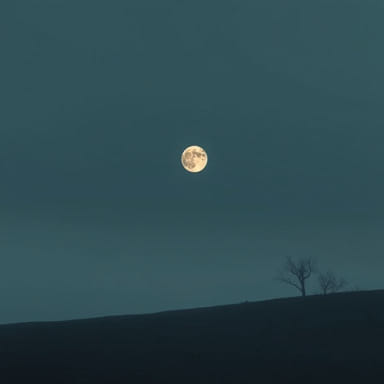
When we hear the word ‘desolate,’ it often evokes strong emotional responses. It paints a picture of emptiness, abandonment, and a feeling of deep loneliness. The term can describe physical places, emotional states, or even atmospheres that lack life or joy. This word is not merely poetic; it is frequently used in both literature and everyday speech to express despair, solitude, or bleakness. Understanding the full definition of ‘desolate’ helps us better grasp its nuanced meanings, both literal and figurative, and allows us to use it accurately in different contexts.
Understanding the Core Meaning of Desolate
The definition of ‘desolate’ can vary depending on how it is used in a sentence. At its core, ‘desolate’ functions as both an adjective and a verb, with meanings that align with abandonment, isolation, or extreme emptiness. It is a word that captures an absence an absence of people, joy, life, or comfort.
As an Adjective
When used as an adjective, ‘desolate’ describes something that is:
- Empty or uninhabited– for example, a desert landscape or a ruined building.
- Joyless or sorrowful– often used to describe someone’s emotional state after a tragedy.
- Devastated– a place or person that has suffered great damage or loss.
Example sentences:
- The desolate house stood alone at the edge of the town.
- After her family moved away, she felt completely desolate.
As a Verb
When ‘desolate’ is used as a verb, it means:
- To make a place empty or uninhabitable.
- To cause someone to feel devastated or alone.
Example sentence:
- The war desolated entire regions, leaving ruins where villages once thrived.
Origins and Etymology of Desolate
The word ‘desolate’ originates from the Latin worddesolatus, which is the past participle ofdesolare, meaning ‘to leave alone, to abandon.’ This historical root helps explain the emotional weight the word still carries today. The sense of being left behind, forgotten, or stripped of vitality is embedded in the term’s origin and continues in modern usage.
Common Synonyms of Desolate
To better understand the word, it is useful to look at some of its synonyms. These can help clarify the emotional and physical dimensions of ‘desolate’:
- Bleak
- Abandoned
- Forsaken
- Barren
- Lifeless
- Gloomy
- Deserted
Each of these words shares a similar connotation but may be more suitable for different contexts. For example, ‘barren’ may be better used for land, while ‘forsaken’ often refers to emotional states.
Desolate in Literature and Culture
Writers and poets frequently use the word ‘desolate’ to create vivid imagery or evoke powerful emotions. In novels, it might describe a post-apocalyptic world devoid of human life. In poetry, it may reflect an internal emotional state a feeling of being alone or forgotten. The ability of the word to convey both literal emptiness and figurative despair makes it a valuable tool in storytelling and expression.
Examples from Literature
- In classic literature, desolate landscapes often symbolize inner turmoil or despair.
- Gothic novels use desolate settings like abandoned castles or empty moors to heighten the sense of mystery or danger.
Its frequent appearance in literature is a testament to its versatility and emotional depth.
The Emotional Side of Desolation
Beyond the physical sense, ‘desolate’ can be deeply emotional. It is often used to describe people who feel abandoned, hopeless, or in emotional pain. Saying someone is desolate implies a profound level of sorrow or loneliness, often more intense than just sadness.
This emotional usage is especially common in situations involving grief, loss, or heartbreak. For instance, a person who has lost a loved one may feel emotionally desolate, meaning that they feel completely empty inside.
Desolate in Different Contexts
The word can appear in a variety of real-world contexts. Let’s look at how it’s used across different fields and situations.
Environmental Desolation
Natural disasters or human-made destruction can leave areas desolate. Wildfires, for instance, may desolate a forest, turning a lush ecosystem into ash and stumps. Similarly, abandoned urban neighborhoods can be described as desolate due to decay and neglect.
Social and Emotional Desolation
People who are isolated, either physically or emotionally, may be described as feeling desolate. The COVID-19 pandemic, for example, caused many people to feel emotionally desolate due to lockdowns and lack of social interaction.
Psychological Impact
Feeling desolate is more than just being alone. It often comes with a sense of hopelessness, like being emotionally stranded. People suffering from depression or deep grief frequently report a sense of desolation that words like sad cannot fully express.
How to Use ‘Desolate’ Correctly
When using ‘desolate’ in speech or writing, it is important to match the intensity of the word with the situation. It is a strong word, so using it casually may dilute its impact. Here are a few tips:
- Use it when you want to emphasize total emptiness or abandonment.
- Pair it with imagery to strengthen your message, especially in creative writing.
- Avoid using it for trivial matters it conveys serious tone and meaning.
The definition of ‘desolate’ goes beyond mere emptiness. It is a powerful word that encapsulates both physical abandonment and deep emotional pain. Whether describing a windswept landscape or a broken heart, ‘desolate’ adds weight and intensity to language. Understanding its roots, usage, and emotional impact allows us to communicate more effectively and express ideas with greater precision. From literature to daily conversation, ‘desolate’ remains a valuable word in capturing the profound feeling of emptiness that touches both places and people.