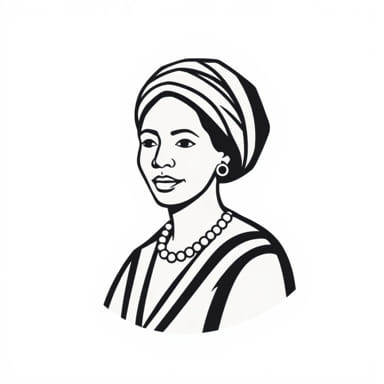
Sojourner Truth remains one of the most powerful voices in the history of the American abolitionist and women’s rights movements. Born into slavery yet destined to become a fearless speaker and activist, her life is full of compelling and inspirational moments. For students, educators, and anyone passionate about justice, knowing key facts about Sojourner Truth helps deepen understanding of 19th-century reform efforts and the enduring fight for equality. This topic presents quick facts about Sojourner Truth in a clear and easy-to-read format, optimized for search engines and readers alike.
Early Life and Background
Born into Slavery
Sojourner Truth was born around 1797 in Ulster County, New York, under the name Isabella Baumfree. She was the property of a Dutch-speaking family and grew up speaking Dutch as her first language. She was sold several times during her youth, enduring harsh treatment from various slave owners.
Family and Upbringing
She was one of at least 10 or 12 children born to James and Elizabeth Baumfree, who were also enslaved. Her parents were devout Christians and passed on spiritual beliefs that later shaped Isabella’s own religious identity and public mission.
Path to Freedom
Emancipation
Sojourner Truth gained her freedom in 1826, one year before New York State fully abolished slavery. She escaped with her infant daughter and found refuge with a Quaker family who helped her secure legal emancipation. She later successfully sued to recover her son Peter, making her one of the first Black women to win a court case against a white man in the United States.
Religious Awakening
Following her freedom, Isabella became deeply involved in Christianity and believed she was called to preach. In 1843, she changed her name to Sojourner Truth, reflecting her mission to travel and speak ‘the truth’ about injustice, especially the evils of slavery and inequality faced by women.
Activism and Public Speaking
Abolitionist Advocacy
Sojourner Truth quickly rose to prominence as an abolitionist. She spoke at countless anti-slavery meetings and often collaborated with other abolitionists such as Frederick Douglass and William Lloyd Garrison. Her ability to speak candidly, passionately, and with spiritual conviction made her a standout figure.
Women’s Rights Crusader
One of her most famous speeches, Ain’t I a Woman?, delivered in 1851 at the Women’s Convention in Akron, Ohio, challenged prevailing notions of racial and gender inferiority. In this powerful address, she questioned why women of color were excluded from the broader women’s movement and used her own life as a compelling counterargument to sexist norms.
Notable Accomplishments
- Legal Trailblazer: First African American woman to win a legal case against a white man (child custody case).
- National Speaker: Delivered speeches across the Northeast and Midwest, often facing threats and harassment.
- White House Advocate: Met with President Abraham Lincoln in 1864 to advocate for the rights of freed slaves.
- Recruiter: Helped enlist African American troops for the Union Army during the Civil War.
- Author: Dictated her memoir, The Narrative of Sojourner Truth, published in 1850, since she could not read or write.
Later Life and Legacy
Support for Freedpeople
After the Civil War, Sojourner Truth dedicated herself to helping formerly enslaved people transition to freedom. She advocated for land grants for freedmen and better conditions in refugee camps. Her commitment to justice never wavered, even in her later years.
Death and Memorial
Sojourner Truth died on November 26, 1883, in Battle Creek, Michigan, at around 86 years old. She was buried in Oak Hill Cemetery. Her life and legacy have been commemorated in numerous ways, including statues, schools, and historical markers bearing her name.
Interesting Quick Facts
- Sojourner Truth was born Isabella Baumfree but changed her name to reflect her spiritual calling.
- She stood nearly six feet tall and was known for her commanding physical presence and deep voice.
- Although illiterate, she dictated a compelling autobiography that helped fund her activism.
- She was one of the few Black women to speak publicly about both slavery and women’s rights in the 19th century.
- Truth believed that equality should not only apply to men and women, but across all races.
- A NASA Mars rover launched in 1997 was named Sojourner in her honor, commemorating her as a pathfinder.
- She once challenged racial segregation by demanding equal seating on Washington D.C. streetcars during the Reconstruction era.
Impact on American History
A Symbol of Strength
Sojourner Truth’s unwavering courage in the face of racism and sexism made her a symbol of strength and moral clarity. Her ability to bridge religious conviction with political advocacy made her a unique voice during a time of great national turmoil and transformation.
Inspiration for Future Generations
Her legacy has inspired countless activists, writers, and political leaders. From the civil rights movement to contemporary feminist struggles, Sojourner Truth’s life story continues to be a beacon for justice and equality.
Learning quick facts about Sojourner Truth provides not only historical insight but also moral guidance for today’s ongoing battles for freedom and fairness. She was a woman of remarkable strength, born into bondage yet becoming one of the most compelling voices for justice in American history. Her memory continues to educate, empower, and inspire. Whether one is seeking to understand the roots of abolitionism or the early foundations of women’s rights, Sojourner Truth remains an enduring figure worth studying and honoring.