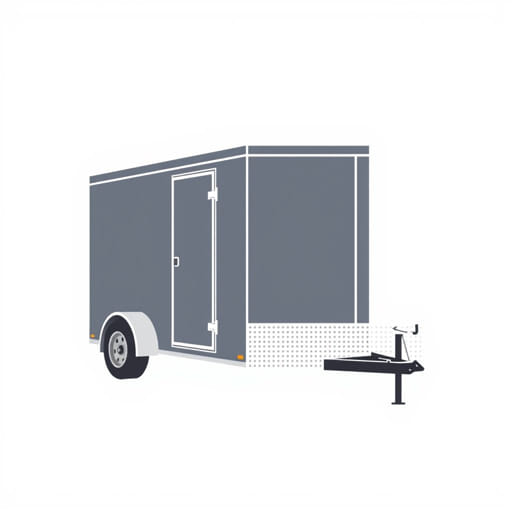
Whether you’re building a custom enclosed trailer or upgrading an existing one, understanding the function and importance of the J channel can make a significant difference. The enclosed trailer J channel may not be the most talked-about part of trailer construction, but it plays a critical role in structural integrity, weather protection, and overall finish. Often overlooked by beginners, this simple metal trim is essential in sealing seams, improving aesthetics, and adding strength. For trailer builders, contractors, and DIY enthusiasts, knowing when and how to use J channel can save time, money, and headaches during and after construction.
What Is a J Channel in an Enclosed Trailer?
The J channel is a metal molding component shaped like the letter J. It is primarily used in siding and trim applications to cover edges and corners, and to direct water away from sensitive areas. In the context of an enclosed trailer, J channels are typically installed where the trailer’s side panels meet doors, windows, or other framing features.
J channels serve both functional and aesthetic purposes. Functionally, they provide a pathway for water to drain, preventing moisture from entering the trailer’s interior. Aesthetically, they give a clean, finished look to the edges and seams of panels or doors. They are made from materials such as aluminum or galvanized steel, depending on the application and climate requirements.
Common Uses of J Channel in Trailer Construction
In enclosed trailer construction, the J channel has multiple applications. It is commonly used for:
- Trimming Door and Window Edges: To provide a smooth transition and seal around openings.
- Edge Finishing: To cap the raw edges of siding panels or interior walls.
- Water Diversion: To direct rainwater or moisture away from key structural areas.
- Panel Support: To secure lightweight paneling in place with a minimal fastener footprint.
Because of its multipurpose nature, the J channel is a staple in most trailer manufacturing kits. It can be adapted for custom applications and is available in different lengths and profiles to match specific trailer styles and sizes.
Types of J Channel for Enclosed Trailers
There are several variations of J channel depending on the trailer type, location, and design purpose. Some of the most common include:
- Aluminum J Channel: Lightweight and corrosion-resistant, ideal for exterior trim and weather-prone environments.
- Galvanized Steel J Channel: Offers superior strength and is often used in high-impact areas or where extra durability is needed.
- Vinyl or PVC J Channel: Typically used on interior applications where flexibility and weight reduction are priorities.
- Custom-Bent J Channel: Fabricated by builders or suppliers to fit unique trailer designs or requirements.
Each material comes with its own pros and cons. Aluminum, for example, resists rust but may dent more easily. Steel is strong but heavier and requires protective coatings. Vinyl is cost-effective and lightweight but can degrade over time in extreme temperatures.
Installation Tips and Best Practices
Proper installation of a J channel in an enclosed trailer requires attention to detail. A poorly installed channel can lead to water leaks, loose panels, or even structural failure over time. Here are some best practices for working with J channels:
- Use corrosion-resistant fasteners to prevent rust streaks or deterioration.
- Ensure proper slope or angle in the channel to encourage water runoff.
- Seal all joints and overlaps with high-quality caulking or trailer sealant.
- Pre-drill holes to avoid deforming the channel during installation.
- Cut corners carefully for a clean and flush finish, especially around doors and windows.
Many trailer builders also use rubber or foam backings behind J channels for extra moisture protection, particularly in areas that will experience frequent road spray or rain exposure.
Maintenance and Longevity
J channels are designed to be low-maintenance, but like all parts of a trailer, they benefit from regular inspections. Over time, exposure to sun, road grime, salt, and moisture can cause wear and tear. Here are some maintenance tips to extend their lifespan:
- Inspect for cracks, rust, or loosened edges every few months.
- Clean with mild soap and water to remove dirt and buildup.
- Touch up any scratches or chips with rust-resistant paint or sealant.
- Replace damaged or corroded sections promptly to avoid water intrusion.
Keeping the J channel in good condition helps preserve the structural integrity of the trailer and reduces the risk of costly repairs down the road.
Why the J Channel Matters in Trailer Construction
Though it may seem like a minor component, the enclosed trailer J channel plays a major role in overall performance. By directing water away from vulnerable seams and covering raw edges, it prevents leaks, rot, and corrosion. For trailers that haul valuable cargo or travel long distances, a tight, well-sealed shell is essential. The J channel contributes to this by acting as both a structural and cosmetic element.
Additionally, trailers with professionally installed J channels often have higher resale values. Buyers look for signs of solid construction, and a clean, well-finished trailer with no signs of moisture damage stands out in the market.
Buying and Sourcing J Channels
J channels for enclosed trailers can be found at trailer supply stores, metal fabricators, or online retailers specializing in RV or trailer parts. When purchasing, make sure to verify:
- Material type and thickness
- Length and width measurements
- Pre-finished color options (to match siding)
- Compatibility with your trailer frame or siding system
Custom orders may be required for specialty applications or restoration projects. It’s also a good idea to buy a bit more than needed in case of errors or future repairs.
The enclosed trailer J channel is more than just trim it’s a crucial part of any durable, weather-resistant trailer design. It enhances structural integrity, adds to the trailer’s aesthetic appeal, and plays a vital role in moisture management. Whether you are constructing a new enclosed trailer or upgrading an older one, investing time in choosing and installing the right J channel will pay off in performance, protection, and peace of mind. For anyone serious about trailer construction, the humble J channel deserves attention, care, and respect.