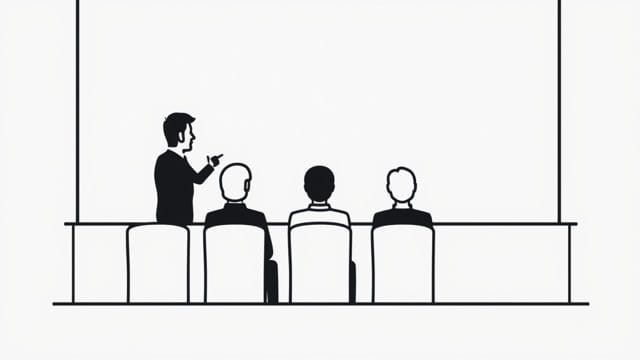
In legal proceedings, one of the most essential aspects of ensuring a fair trial is the process by which jurors are selected. This process, known as voir dire, plays a crucial role in the judicial system by helping attorneys and judges assess the impartiality and suitability of prospective jurors. Voir dire literally means ‘to speak the truth’ in French, and it reflects the core objective of this procedure gathering truthful answers to determine whether any bias, prejudice, or conflict of interest may exist. The jury questioning process is fundamental to both criminal and civil trials, aiming to protect the rights of all parties involved.
Understanding Voir Dire
The Purpose of Jury Questioning
Voir dire is conducted prior to the start of a trial to ensure that selected jurors can evaluate the case impartially. Attorneys for both the prosecution and the defense, as well as the judge, ask a series of questions to potential jurors to uncover any potential biases or preconceived notions that might affect their judgment. These questions can address a wide range of issues, including:
- Personal background and life experiences
- Knowledge of the case or individuals involved
- Attitudes toward law enforcement or certain types of law
- Ability to follow legal instructions even if they conflict with personal beliefs
The ultimate aim is to create an impartial jury that will decide the case based solely on the evidence presented in court.
Structure of Voir Dire
Jury questioning voir dire may be conducted in two main formats: group questioning and individual questioning. In some jurisdictions, judges lead the process, while in others, attorneys have greater freedom to question jurors directly. The voir dire procedure may include both open-ended questions to invite discussion and closed questions to gain specific information.
Challenges for Cause and Peremptory Strikes
Challenges for Cause
During voir dire, if a potential juror exhibits clear signs of bias or states openly that they cannot be impartial, the attorneys may request a dismissal through a ‘challenge for cause.’ The judge ultimately decides whether the challenge is valid. Examples of valid reasons for such challenges include:
- The juror has a personal relationship with one of the parties
- The juror expresses strong opinions that show bias
- The juror is unable to understand or speak English fluently enough to follow the trial
Peremptory Challenges
In addition to challenges for cause, attorneys are granted a limited number of peremptory challenges. These allow them to dismiss a juror without stating a reason. However, peremptory challenges may not be used to discriminate based on race, gender, or ethnicity, as established by the U.S. Supreme Court in cases such as Batson v. Kentucky.
Importance of Jury Questioning in Ensuring Fair Trials
Uncovering Hidden Biases
Jurors may not always be aware of their own biases. Through skillful and respectful questioning, attorneys can reveal subtle prejudices that could affect the outcome of the trial. This is particularly important in cases involving sensitive subjects, such as race, gender, or high-profile crimes, where media exposure and social views can influence opinions.
Building Trust and Transparency
The voir dire process also serves to build trust between the court and the jurors. When jurors are questioned thoroughly and respectfully, they are more likely to take their responsibilities seriously and to understand the importance of fairness and impartiality in their decision-making role.
Legal and Ethical Considerations
Limits of Questioning
While voir dire is designed to reveal important information, there are legal boundaries. Attorneys cannot ask questions that are too invasive or irrelevant to the case. Questions must be framed to protect the privacy of jurors while still providing the information necessary to assess suitability. For example, questions about political beliefs may be off-limits unless they directly relate to the case at hand.
Jury Selection and the Right to a Fair Trial
The Sixth Amendment of the United States Constitution guarantees the right to a fair trial by an impartial jury. Voir dire is one of the main tools used to uphold this right. Improper jury selection such as failing to remove a biased juror can be grounds for appeal and even a retrial in certain cases. That’s why both judges and attorneys take voir dire very seriously.
Attorney Strategies in Voir Dire
Creating a Favorable Jury
Lawyers use voir dire not only to remove biased jurors but also to identify those whose experiences or beliefs may make them more sympathetic to their client’s position. While the goal is always to maintain fairness, attorneys naturally seek jurors who are more likely to view the evidence from a favorable perspective.
Observing Non-Verbal Cues
Attorneys pay attention not just to what jurors say, but also to how they say it. Body language, tone of voice, and facial expressions can all reveal important clues about a juror’s attitudes and sincerity. Some legal teams even hire jury consultants to analyze these behaviors professionally.
Jury Questionnaires and Pre-Screening Tools
Use of Written Questionnaires
In complex or high-profile cases, courts may use written jury questionnaires before live voir dire begins. These forms collect detailed information about jurors’ backgrounds, beliefs, and potential conflicts of interest. This helps streamline the process and allows attorneys to focus their questioning during oral voir dire.
Efficiency and Focus
Jury questionnaires are particularly useful when time is limited or when a large jury pool needs to be evaluated quickly. They also allow jurors to express views more openly than they might in a courtroom setting, especially on sensitive subjects.
Challenges in Modern Voir Dire
Media Influence and Pretrial Publicity
Today’s jurors are exposed to a constant flow of news, opinions, and social media content. In high-profile trials, this exposure can create preconceived ideas about the case. Voir dire must therefore include specific questions to assess how much prospective jurors have seen or heard and whether they can remain impartial despite that exposure.
Technology and Juror Background Checks
With the rise of online platforms, attorneys now have more tools than ever to research jurors. Publicly available information from social media or news sites may reveal potential biases. However, courts place ethical limits on what kind of research is permissible and how it can be used in voir dire.
Jury questioning during voir dire is a foundational part of the justice system. By carefully selecting jurors through this detailed process, courts work to uphold fairness, eliminate bias, and ensure the rights of all parties are respected. While the rules and techniques of voir dire may vary by jurisdiction, the fundamental goals remain consistent: to create an impartial, honest jury capable of rendering a just verdict. Whether in criminal or civil cases, effective voir dire contributes to the integrity and credibility of the entire judicial process.