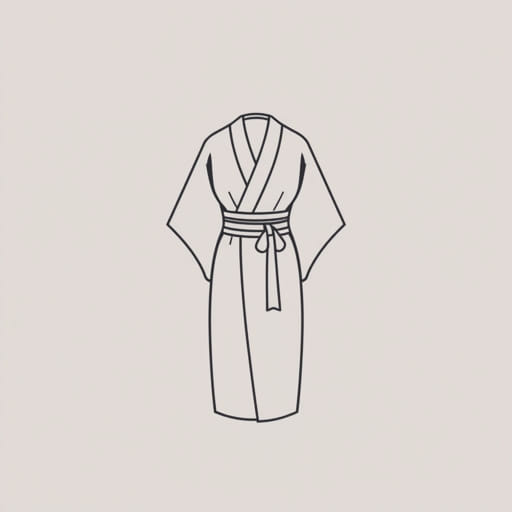
Japanese traditional clothing has long been admired for its elegance, cultural significance, and timeless design. While there are many garments that define the fashion history of Japan, one common query that often arises especially among puzzle enthusiasts and fashion historians is the search for a Japanese garment with six letters. Among the most fitting answers is the word ‘kimono.’ This traditional robe-like piece of clothing is more than just a fashion statement; it represents centuries of heritage, symbolism, and artistry. In this topic, we will explore what the kimono is, its origins, the cultural meaning behind it, how it has evolved, and why it continues to hold relevance today.
What Is a Kimono?
The word ‘kimono’ comes from the Japanese terms ‘ki’ (to wear) and ‘mono’ (thing), literally meaning ‘a thing to wear.’ Although the term can technically refer to any clothing, it has become the specific name for the T-shaped, straight-lined robe that wraps around the body and is secured with a sash called an ‘obi.’
Traditionally, the kimono is made from silk and is worn with layers and accessories, such as undergarments, footwear (zÅri or geta), and decorative sashes. Its cut is simple, but the craftsmanship lies in the fabric, stitching, and often elaborate patterns that convey seasons, status, or even the wearer’s personality.
Historical Background of the Kimono
Origin and Early Use
The roots of the kimono date back over a thousand years, to the Heian period (7941185). During this era, aristocrats and members of the imperial court wore layered garments known as ‘jÅ«nihitoe,’ which inspired the later development of simpler kimono-like robes. Over time, styles evolved, especially during the Edo period (16031868), when the kimono became standardized in shape and form.
Evolution Through Eras
As Japanese society transitioned through different historical periods, so did the use and appearance of the kimono. In the Meiji era (18681912), Western clothing began to influence Japanese fashion, but the kimono remained the staple for formal and ceremonial occasions. In modern times, it is still worn during weddings, festivals, tea ceremonies, and other cultural events.
Symbolism and Meaning
The kimono is more than just a six-letter Japanese garment it is a wearable piece of art that communicates messages through color, design, and how it is worn.
- Colors: Seasonal colors like pastel tones in spring or fiery hues in autumn often appear in kimonos. Each color can also represent specific emotions or status.
- Patterns: Common motifs include cherry blossoms (sakura), cranes (tsuru), and waves, each bearing symbolic meaning related to nature, longevity, or prosperity.
- Occasion: The type of kimono worn often corresponds to the formality of an event. For example, the ‘furisode’ with long sleeves is worn by unmarried women during coming-of-age ceremonies.
Types of Kimonos
Though the term ‘kimono’ is general, there are various subtypes tailored for different uses, demographics, and social standings.
Everyday Wear
- Komon: Casual kimono with repeating patterns, suitable for daily use or informal outings.
- Yukata: A lighter, cotton version worn in the summer or at festivals.
Formal Attire
- Furisode: Worn by young, unmarried women. Recognizable by long, swinging sleeves and vibrant patterns.
- Tomesode: Typically worn by married women. It features a more subdued look and patterns below the waist only.
- Montsuki: Black kimono with family crests, often worn by men for formal events.
Wedding Kimonos
- Shiromuku: All-white bridal kimono symbolizing purity and new beginnings.
- Irouchikake: Colored over-kimono often worn over the shiromuku for ceremonial purposes.
The Kimono in Contemporary Japan
Although most Japanese people wear Western-style clothing in daily life today, the kimono has not disappeared. It is still deeply ingrained in cultural identity and is often brought out during traditional holidays like New Year (ShÅgatsu), during graduations, or for family portrait photography sessions.
Moreover, the art of kimono-making continues to be respected and preserved. There are artisans who specialize in dyeing, weaving, and hand-painting kimonos, passing down skills from generation to generation. The kimono also finds relevance in modern fashion through designers who integrate kimono elements into contemporary apparel or reinvent the garment itself with modern silhouettes.
Kimono Beyond Japan
The global appeal of the kimono is undeniable. As a six-letter Japanese garment, the kimono is instantly recognized worldwide. It has influenced fashion designers, appeared in films, and become part of costume and stage design internationally. While appropriation concerns exist, genuine cultural appreciation and respectful usage have also led to deeper understanding and cross-cultural dialogue.
How to Wear a Kimono
Wearing a kimono properly requires practice and an understanding of its components:
- Nagajuban: An under-kimono worn beneath the main robe to protect it from sweat and oil.
- Obi: The decorative sash used to tie and secure the kimono.
- Tabi: White split-toe socks traditionally worn with zÅri sandals.
- Obiage and Obijime: Accessories used to support and decorate the obi knot.
There is also a difference between male and female kimono styles. Men’s kimonos are generally darker and simpler, while women’s feature more variation in color and decoration.
Preserving a Cultural Legacy
The kimono remains one of Japan’s most treasured cultural symbols. As a Japanese garment with six letters, it carries an unexpected simplicity in name that contrasts with its deep historical and cultural layers. Museums, kimono schools, and cultural centers continue to educate the public about its significance, and younger generations are gradually rediscovering its value.
Wearing a kimono is often seen not just as dressing up but as a deliberate act of connection to one’s heritage. Whether worn by geishas, sumo referees, or brides, the kimono is a timeless statement of Japanese identity.
When someone searches for a Japanese garment 6 letters, the answer might seem straightforward kimono. But behind this word lies a rich tapestry of history, artistry, symbolism, and culture that spans centuries. The kimono is more than fabric and thread; it’s a living artifact of tradition that continues to influence and inspire both in Japan and around the world. In understanding its details and significance, we gain deeper insight into the elegance and philosophy of Japanese aesthetics.