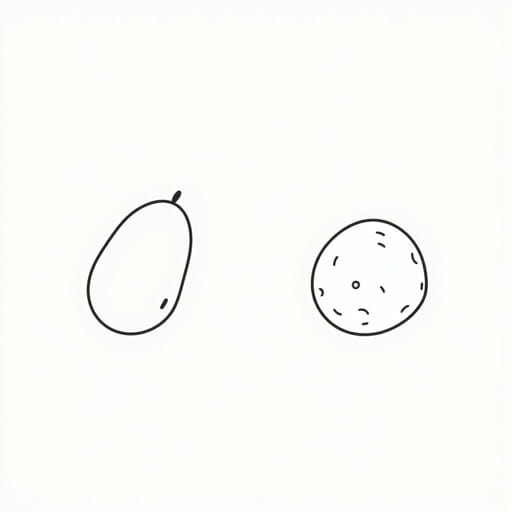
Potatoes are a staple food in many households, but not all potatoes are created equal. Two of the most commonly used varieties in American kitchens are Eastern potatoes and Russet potatoes. Though they may look similar at first glance, they differ in texture, flavor, and best use in cooking. Understanding the differences between Eastern potatoes and Russet potatoes can help home cooks and chefs make better decisions when preparing meals that require specific potato characteristics.
What Are Eastern Potatoes?
Overview and Characteristics
Eastern potatoes, also known as Eastern whites, are grown primarily in the northeastern and mid-Atlantic regions of the United States. These potatoes tend to have smooth, thin skins and a white to pale yellow interior. Their shape is generally round to slightly oval, and they have a moist, waxy texture.
Common Uses
Because of their waxy texture and lower starch content, Eastern potatoes hold their shape well during cooking. This makes them ideal for:
- Boiling
- Roasting
- Potato salads
- Gratin dishes
They don’t fall apart as easily as starchier potatoes, which is why they’re often chosen for dishes where you want the pieces to remain intact.
What Are Russet Potatoes?
Overview and Characteristics
Russet potatoes, sometimes referred to as Idaho potatoes (when grown in that state), are one of the most recognizable varieties in the U.S. They are large, oblong, and have rough, brown skin. Their flesh is white and fluffy when cooked, thanks to their high starch and low moisture content.
Common Uses
Russets are best known for their soft interior after cooking, which makes them perfect for dishes that benefit from a light, airy texture. Common uses include:
- Baked potatoes
- Mashed potatoes
- French fries
- Hash browns
Because they break down more easily when cooked, Russet potatoes are not typically used in soups or salads where shape retention is important.
Texture and Flavor Differences
Texture Comparison
Eastern potatoes are waxy, meaning they are firmer and have a tighter cell structure. They don’t absorb as much liquid or fat, and they stay firm after cooking. This texture is especially helpful when you want defined pieces of potato in your final dish.
Russet potatoes, on the other hand, are starchy and tend to fall apart or fluff up during cooking. This makes them perfect for mashing or baking, where a creamy or airy texture is preferred.
Flavor Profile
Eastern potatoes have a slightly sweet, earthy flavor with a dense bite. Their mild taste allows them to blend well with a variety of ingredients without overpowering a dish.
Russet potatoes have a more neutral flavor, with a dry and starchy base that makes them excellent at soaking up butter, cream, or other seasonings. Their blandness is actually a benefit in many recipes, as it allows for easy flavor customization.
Cooking Methods and Performance
Boiling
Eastern potatoes are excellent for boiling. They retain their shape and texture, making them ideal for potato salads or side dishes. Russets, however, can become mushy when boiled too long and are more suited for mashed potato recipes when boiled and drained properly.
Baking
Russet potatoes are the go-to variety for baking. Their dry interior results in a fluffy, satisfying baked potato. Eastern potatoes, with their waxy texture, don’t bake well because they become dense and chewy rather than soft and airy.
Frying
Russets are preferred for frying due to their low moisture and high starch content, which results in crispy exteriors and fluffy interiors. Eastern potatoes can be fried, but they often yield a less crispy texture and more firmness inside.
Roasting
Eastern potatoes hold up beautifully when roasted. They caramelize nicely and maintain their structure. Russets can also be roasted, but their tendency to break apart means they require more careful handling to maintain shape.
Nutritional Comparison
Caloric Content and Macros
Both Eastern and Russet potatoes are nutritious, but their composition differs slightly. Russet potatoes generally contain more starch, which contributes to a higher carbohydrate content. Eastern potatoes, being waxier, may have slightly fewer calories and carbs but more moisture.
Vitamin and Mineral Content
Both varieties are good sources of potassium, vitamin C, and vitamin B6. However, because of their thicker skins, Russet potatoes may provide more dietary fiber when eaten with the skin on. Eastern potatoes have thinner skins and slightly less fiber overall.
Storage and Shelf Life
Proper Storage Techniques
Both Eastern and Russet potatoes should be stored in a cool, dark, and well-ventilated area. Avoid storing them in the refrigerator, as cold temperatures can convert the starches into sugar, altering flavor and texture.
Shelf Life
Russet potatoes often have a slightly longer shelf life due to their thicker skin, which offers more protection against moisture loss and spoilage. Eastern potatoes, with thinner skins, may sprout or soften more quickly if not stored properly.
Cost and Availability
Market Differences
Russet potatoes are widely available across the U.S. and tend to be more affordable due to mass production, particularly in states like Idaho. Eastern potatoes are more regionally available, often found in the northeastern U.S. and may be slightly more expensive depending on the season and supply.
Seasonal Availability
Both types are harvested in late summer to fall but are usually available year-round due to cold storage. Freshness may vary depending on the source and time of year, so it’s helpful to know your local suppliers.
Which Potato Should You Choose?
Based on Recipe Needs
Choose Eastern potatoes when:
- You’re making potato salad, gratin, or stew
- You need the potatoes to hold their shape
- You prefer a slightly waxy texture in your dish
Choose Russet potatoes when:
- You’re baking, mashing, or frying
- You want a fluffy or creamy texture
- You need a potato that absorbs butter or cream well
Both Eastern potatoes and Russet potatoes bring unique qualities to the table. Understanding the differences between these two varieties helps ensure better results in your cooking. Whether you’re making a creamy mashed potato dish or a structured potato salad, choosing the right type of potato based on texture, starch content, and cooking method will improve flavor and consistency. With this knowledge, your next potato-based meal is bound to be a success, no matter which variety you use.