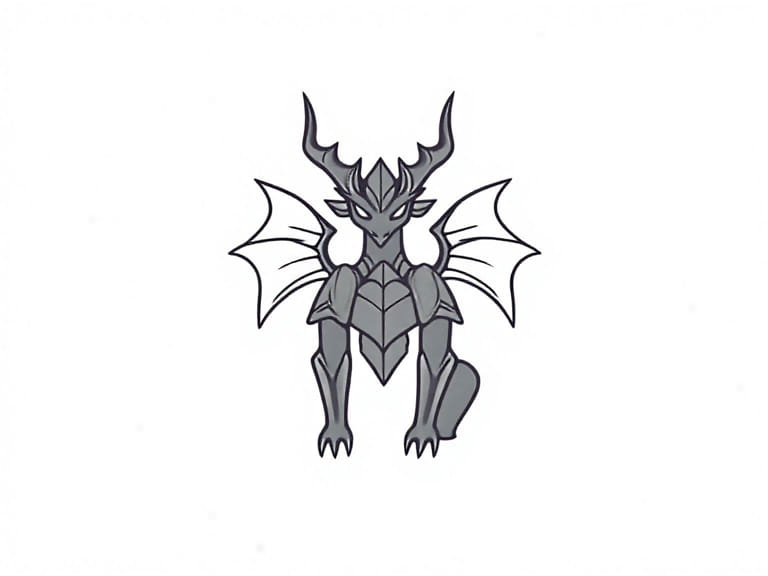
In the vast world of Monster Hunter, few monsters are as majestic and dangerous as Kushala Daora. Known for its steel-like hide and powerful wind-based attacks, this Elder Dragon is a true test of skill and strategy. Understanding the breakable parts of Kushala Daora is essential for maximizing rewards, weakening its offense, and ensuring a smoother hunt. Whether you’re a seasoned hunter or facing this metallic dragon for the first time, knowing which parts can be broken and how to break them can make all the difference between victory and defeat.
Overview of Kushala Daora
Kushala Daora is an Elder Dragon that manipulates wind to both attack and defend. Its steel-covered body provides exceptional protection, making it a challenge to damage without the right gear. The creature generates violent windstorms that push hunters back, block ranged attacks, and limit movement. To effectively bring this monster down, players must understand its anatomy and target its weak points and breakable parts.
Breaking parts on Kushala Daora not only weakens its abilities but also increases the chances of obtaining rare materials. Each breakable section contributes to the fight in a unique way, and targeting specific areas can shift the momentum in your favor.
Breakable Parts of Kushala Daora
Kushala Daora has several breakable parts that hunters should aim for during the fight. These parts include:
- Head
- Horns
- Wings
- Tail (severable)
- Torso (damaged, not broken)
Each of these parts serves a role in the monster’s combat style. Some protect its weak points, while others are crucial for maintaining its control over wind. Strategically breaking these areas can reduce its effectiveness in battle and help hunters earn more materials post-hunt.
Breaking the Head
The head of Kushala Daora is one of its most important weak points. Attacking the head can eventually lead to a part break, which stuns the monster briefly and provides a good opportunity to deal additional damage. In addition, breaking the head can reduce the potency of its wind pressure and increase the chance of obtaining rare materials like the Daora Gem or Daora Horn+ in carves or rewards.
When targeting the head, blunt weapons like hammers and hunting horns are especially effective. However, cutting and projectile weapons can also contribute over time. Be cautious, though the head is a dangerous area, often near the path of its lunging and spinning wind attacks.
Breaking the Horns
The horns of Kushala Daora can be broken independently of the head, though they are closely related. Breaking the horns has a major impact on the monster’s control over wind pressure. A Kushala with broken horns creates fewer wind zones and has weaker wind barriers, making it significantly easier for hunters to stay close and deal damage.
To break the horns, aim for the sides of the head, and continue attacking after the first break on the head. Focused and sustained attacks will eventually snap the horns off, even if Kushala attempts to retreat or fly.
Damaging the Wings
Kushala Daora’s wings are another critical breakable part. While not severable, damaging the wings makes it harder for the dragon to stay airborne. This is a key advantage, especially in later stages of the fight where Kushala attempts to hover above ground while unleashing wind-based projectiles and dive attacks.
Targeting the wings is most effective when Kushala is grounded or knocked down. Blademaster weapons like longswords and dual blades can reach the wings during aerial attacks or when the monster rears up. Gunners also have an easier time targeting wings when Kushala is flying.
Severing the Tail
The tail is one of the few parts of Kushala Daora that can be severed. Severing the tail reduces the range of some of its spinning attacks and makes it easier for players to get behind the monster without risking a tail sweep.
The tail can be severed by using cutting weapons such as greatswords, longswords, and dual blades. The sever point is near the base, so precision is important. Severing the tail also adds an additional carve, which increases the chances of acquiring valuable materials like the Daora Tail or Elder Dragon Blood.
Torso Damage
While the torso of Kushala Daora cannot be ‘broken’ in the traditional sense, it can be damaged. Sustained damage to the torso contributes to the monster’s overall weakness and can help trigger staggers or knockdowns. In prolonged fights, this area is often damaged incidentally, but targeting it deliberately can still be useful when other breakable parts are harder to reach.
Strategic Tips for Part Breaking
Successfully breaking parts on Kushala Daora requires patience, coordination, and the right equipment. Here are several strategies to help maximize part breaks during your hunt:
- Bring Partbreaker Skill: This skill significantly increases the damage done to monster parts, helping you break them faster.
- Focus Your Team: If you’re in a multiplayer session, have different members focus on different parts (e.g., one on tail, others on head).
- Use Flash Pods: When Kushala flies, use flash pods to bring it down and create opportunities to hit wings and head.
- Capture Winds Lull: Wait for moments when wind pressure weakens slightly to go all-in on exposed parts.
- Bring Blunt and Cutting Weapons: A mix of damage types increases your ability to break both head and sever the tail efficiently.
Material Rewards from Breaks
Breaking parts of Kushala Daora is one of the most reliable ways to obtain specific crafting materials. These materials are vital for creating the Kushala armor set and unique weapons that possess wind resistance and ice-based damage.
Materials from Breaks
- Daora Horn+ From breaking the head or horns
- Daora Tail From severing the tail
- Daora Carapace From breaking wings and body
- Daora Gem Rare drop from any break or reward pool
These materials are essential for late-game gear, and multiple hunts may be necessary to collect everything needed. Prioritizing breaks during each encounter is key to optimizing your time and loot.
Kushala Daora is a formidable Elder Dragon that demands preparation, strategy, and knowledge of its breakable parts. By targeting the head, horns, wings, and tail, hunters can significantly weaken this monster’s offensive capabilities while maximizing material rewards. Understanding the location, effects, and benefits of each breakable part gives players the edge they need in a challenging battle. Whether you’re aiming for specific gear or simply want to dominate the hunt, breaking parts efficiently is one of the smartest ways to bring down this steel-clad storm bringer.