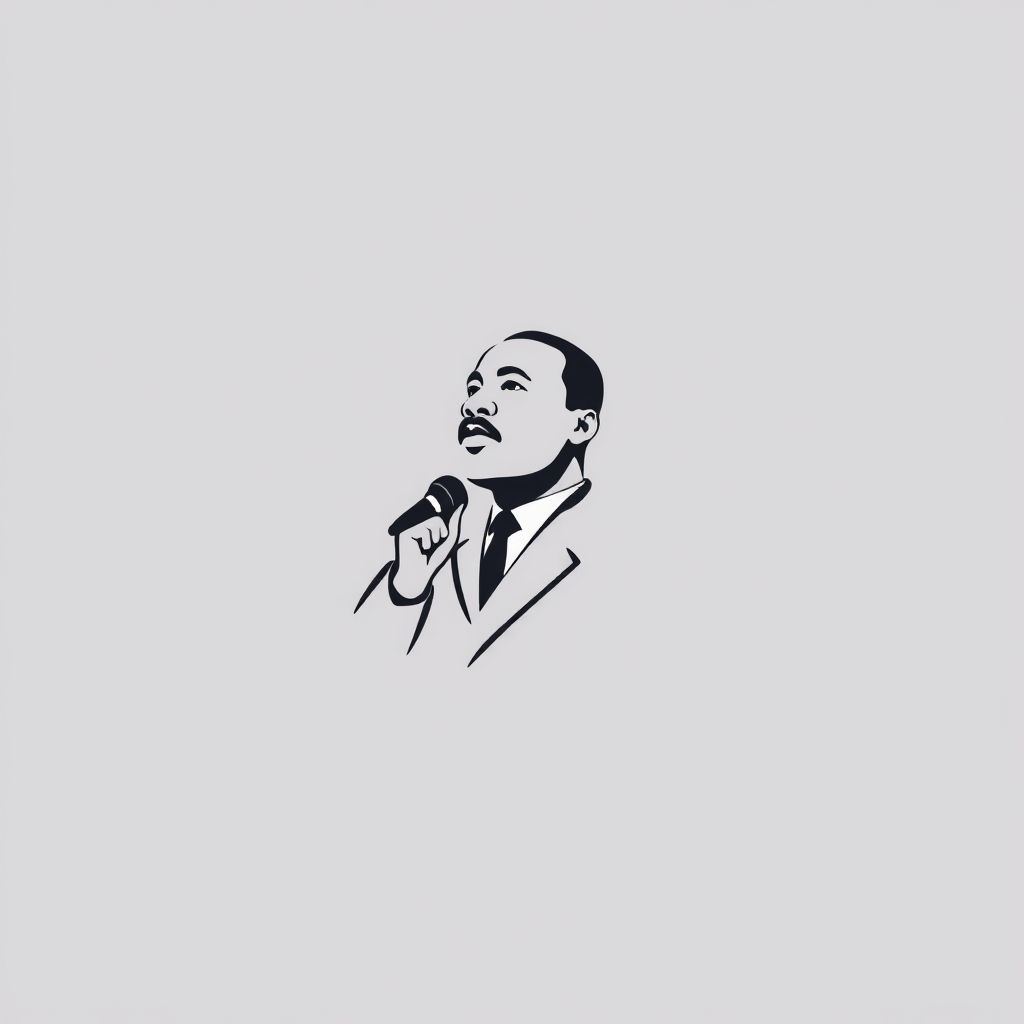
Martin Luther King Jr. is one of the most widely respected figures in modern history, remembered for his tireless work in the American civil rights movement. His leadership, grounded in nonviolence and justice, helped change the course of United States history. Through peaceful protests, passionate speeches, and an unwavering commitment to equality, King fought against racial segregation and discrimination. The Britannica encyclopedia provides a comprehensive overview of his life, legacy, and historical significance, making it a valuable resource for students, researchers, and anyone interested in understanding King’s profound impact.
Early Life and Education
Birth and Family Background
Martin Luther King Jr. was born on January 15, 1929, in Atlanta, Georgia. He was originally named Michael King Jr., but his father later changed both their names to Martin Luther in honor of the Protestant Reformer. His father was a Baptist minister, and his mother was a schoolteacher. Raised in a religious and educated household, King was introduced to both faith and academic discipline early in life.
Academic Journey
King was an outstanding student who skipped grades and entered college at the age of 15. He earned his undergraduate degree from Morehouse College, then studied theology at Crozer Theological Seminary. Eventually, he received his Ph.D. in systematic theology from Boston University. These academic experiences shaped his intellectual and spiritual foundation, preparing him for the leadership role he would later take on in the civil rights movement.
Leadership in the Civil Rights Movement
Montgomery Bus Boycott
One of King’s first major roles in the civil rights movement began with the Montgomery Bus Boycott in 1955. After Rosa Parks was arrested for refusing to give up her seat to a white passenger, African Americans in Montgomery launched a boycott of the city’s bus system. King, then a young pastor, was chosen to lead the protest. His calm and persuasive speeches earned national attention and marked the beginning of his rise as a civil rights leader.
Founding of the SCLC
In 1957, King co-founded the Southern Christian Leadership Conference (SCLC), an organization committed to achieving civil rights through nonviolent means. The SCLC played a central role in organizing marches, demonstrations, and voter registration drives. King used his leadership platform to promote unity, hope, and justice across the southern United States and beyond.
Iconic Speeches and Writings
I Have a Dream Speech
One of the most famous moments in King’s life came during the 1963 March on Washington. Speaking in front of the Lincoln Memorial, he delivered his iconic I Have a Dream speech. In this powerful address, he envisioned a future where all people, regardless of race, would be treated equally. His message of hope and equality resonated around the world and became a defining moment of the 20th century.
Letter from Birmingham Jail
Another important contribution by King was his Letter from Birmingham Jail, written in 1963 while he was imprisoned for participating in nonviolent protests. The letter is a passionate defense of civil disobedience and an explanation of why African Americans could no longer wait for justice. It remains one of the most significant writings in American political and social thought.
Major Achievements and Impact
Legislative Victories
Martin Luther King Jr.’s work played a crucial role in several important pieces of legislation. His activism contributed to the passage of the Civil Rights Act of 1964, which outlawed racial discrimination in public places and employment. In 1965, the Voting Rights Act was passed, protecting the right to vote for African Americans in the South. These laws helped to dismantle institutional racism and gave millions a new sense of dignity and citizenship.
Nobel Peace Prize
In recognition of his commitment to nonviolence and equality, King was awarded the Nobel Peace Prize in 1964 at the age of 35, making him one of the youngest recipients in history. The award acknowledged his efforts to lead change through peaceful resistance and dialogue, even in the face of violence and hatred.
Challenges and Opposition
Resistance and Arrests
Throughout his activism, King faced intense opposition. He was arrested more than 20 times and was often targeted by those who opposed integration and civil rights. His home was bombed, and he regularly received death threats. Despite this, he never gave up on his mission, holding firmly to the belief that love and nonviolence could overcome hate and injustice.
Criticism and Internal Conflicts
King also faced criticism from both white moderates who wanted slow change and black radicals who believed in more aggressive tactics. He struggled to maintain unity within the movement, often walking a tightrope between different philosophies. Nonetheless, his moral clarity and consistent message of peace helped keep the movement grounded.
Assassination and Legacy
Tragic Death
Martin Luther King Jr. was assassinated on April 4, 1968, in Memphis, Tennessee, where he had gone to support striking sanitation workers. His death sparked riots across the United States and brought a wave of national mourning. Although his life was cut short, his influence only grew stronger in the years that followed.
Continuing Influence
King’s legacy lives on through the countless individuals and organizations that continue to fight for civil rights. His teachings are studied in schools, his words are quoted in protests, and his dream of a just society continues to inspire people around the world. Martin Luther King Jr. Day, celebrated annually in the United States, serves as a reminder of the values he stood for.
Understanding Martin Luther King through Britannica
Comprehensive Information
The Britannica encyclopedia provides a detailed and scholarly account of King’s life, including his background, major events, and long-term impact. It is a valuable resource for understanding the full scope of his work, from his early education to his final days.
Reliable Historical Context
Britannica offers more than just facts it places King within the broader context of American and world history. It shows how his actions were part of a larger struggle for freedom and dignity, connecting his story with global movements for justice. This helps readers appreciate the complexity and importance of his contributions.
Martin Luther King Jr. remains one of the most powerful symbols of peace, justice, and moral courage. His leadership in the civil rights movement, his belief in nonviolence, and his unwavering hope in a better future continue to inspire generations. Whether one is reading a textbook, hearing his speeches, or studying reliable sources like Britannica, the lessons from King’s life are clear: courage, compassion, and action can change the world. His dream is not yet fully realized, but his vision continues to guide the ongoing journey toward equality and human dignity.