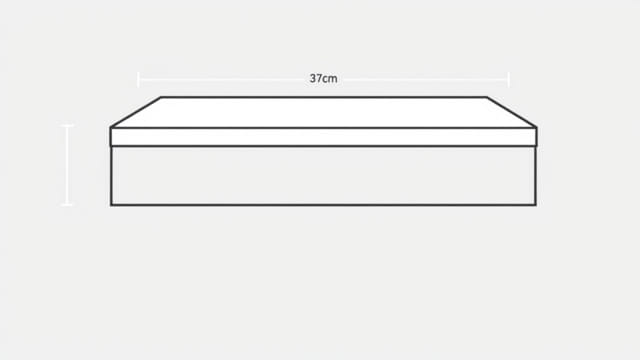
When designing or renovating a kitchen, one critical yet sometimes overlooked factor is the size of the kitchen slab, specifically its height and width. The dimensions of the kitchen countertop not only affect the aesthetics but also the ergonomics and functionality of the space. Choosing the right slab height and width ensures comfort during meal preparation, efficient use of space, and enhances overall kitchen workflow. It also plays a major role in complementing other kitchen elements like cabinets, appliances, and sinks.
Standard Kitchen Slab Height
The most common kitchen countertop height ranges between 34 to 36 inches (about 86 to 91 centimeters) from the floor. This standard is based on average human ergonomics, aiming to reduce strain on the back and wrists while working. However, this height can vary depending on personal preferences, user height, and kitchen design style.
Ergonomics and Comfort
The ideal slab height should allow users to comfortably prepare food without bending excessively. For most people, a height around 36 inches is comfortable, but taller individuals might prefer a slightly higher countertop, while shorter users might benefit from a lower surface.
Professional chefs often work on higher countertops to reduce fatigue during long hours of preparation. Adjustable or customized countertop heights can be incorporated to suit the household’s needs.
Considerations for Accessibility
When designing for accessibility, especially in kitchens intended for wheelchair users, the slab height may need to be lower, typically around 28 to 34 inches (71 to 86 centimeters), to allow easy reach. Moreover, knee space underneath the countertop is essential for wheelchair users to approach and use the kitchen comfortably.
Standard Kitchen Slab Width (Depth)
The standard depth or width of a kitchen countertop slab typically ranges between 24 to 25 inches (61 to 63.5 centimeters). This dimension provides enough surface area for food preparation, small appliances, and a comfortable working space without crowding the kitchen.
Why Width Matters
Choosing the right slab width balances usability and space efficiency. A countertop that is too narrow limits workspace and appliance placement, while one that is too wide can reduce kitchen accessibility and make it difficult to reach the back of the counter.
Custom Slab Widths
In larger kitchens, slab widths can be extended beyond 25 inches, especially on kitchen islands or peninsulas, to provide extra seating or workspace. In compact kitchens, narrower slabs may be chosen to save space but should still allow sufficient room for food preparation and cooking tasks.
Factors Affecting Slab Height and Width Decisions
User Height and Comfort
The height and width of kitchen slabs should first and foremost cater to the users’ comfort. Measuring the elbow height of the primary cook and setting the slab height about 4 to 6 inches below that ensures ergonomic posture.
Kitchen Layout and Space Constraints
The overall kitchen layout influences slab size decisions. In narrow galley kitchens, deeper slabs may impede movement, while in open-plan kitchens, larger slab surfaces may be preferred for multifunctional use such as dining and working.
Appliance and Sink Integration
The width of the slab needs to accommodate sinks, cooktops, and other built-in appliances. Ensuring adequate space on either side of these fixtures is crucial for safe and efficient kitchen operation.
Material Thickness
Countertop materials vary in thickness from about 1 to 1.5 inches (2.5 to 3.8 cm) for laminate to 2 to 3 cm or more for natural stone like granite or quartz. This thickness affects the total height of the working surface and should be factored into slab height calculations.
Kitchen Islands and Peninsula Slab Dimensions
Kitchen islands often require different slab dimensions compared to standard counters. Because islands are freestanding and accessible from all sides, their height and width must be carefully planned.
Island Height
Standard island height often matches regular counters (34-36 inches), but taller bar height islands (around 42 inches) are popular when used with bar stools for seating. Some kitchens incorporate multi-level islands with separate heights for prep and dining.
Island Width
Island slabs are typically wider than standard counters, ranging from 36 to 48 inches (91 to 122 cm) or more, depending on kitchen size. This allows for additional workspace, storage underneath, and seating space when desired.
Clearance Around Islands
Proper clearance around kitchen islands is vital for functionality. A minimum of 36 to 48 inches (91 to 122 cm) should be maintained between the island and other cabinets or appliances to ensure comfortable movement and appliance door clearance.
Customizing Kitchen Slab Height and Width
Many modern kitchens benefit from customization. Working with kitchen designers or contractors can help tailor slab dimensions to personal needs and kitchen layout.
Adjustable Height Counters
Some homeowners opt for adjustable height countertops or incorporate sections of varying height to accommodate different tasks, such as seated work or standing prep. This flexibility increases kitchen usability for diverse users.
Variable Width Countertops
Using materials like butcher block or modular countertops allows variable width surfaces, adapting to kitchen shape and function while maximizing available space.
Choosing the right kitchen slab height and width is key to creating a functional, comfortable, and stylish kitchen. Standard dimensions provide a great starting point, but considering user height, kitchen layout, and intended use can lead to better customization. Whether renovating or building from scratch, paying attention to these details ensures your kitchen becomes an enjoyable space where cooking and gathering are comfortable and efficient.