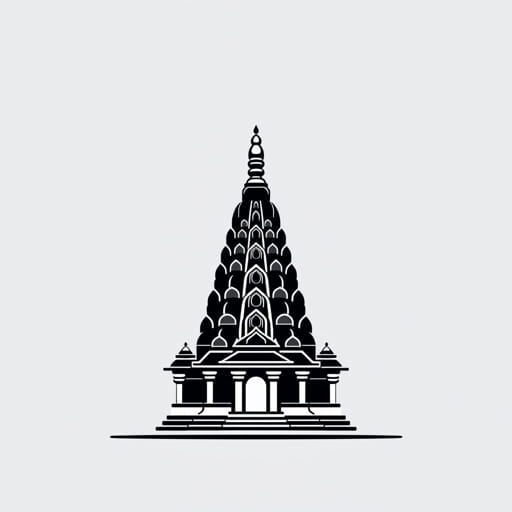
Kamakhya Devi Temple in Assam is one of the most revered and ancient temples dedicated to the Hindu goddess Kamakhya, known as a powerful symbol of feminine energy and fertility. Situated on the Nilachal Hill in Guwahati, this temple attracts thousands of devotees and tourists every year who come to seek blessings and experience its spiritual ambiance. The temple is famous for its unique architectural style, religious significance, and vibrant festivals, particularly the annual Ambubachi Mela, which celebrates the goddess’s menstruation and is considered a powerful fertility festival. Kamakhya Temple is not only a place of worship but also a rich cultural heritage site that reflects the traditions, mythology, and religious practices of Assam and the greater northeastern region of India.
Historical and Mythological Background
The Origin of Kamakhya Temple
The origins of Kamakhya Devi Temple are steeped in Hindu mythology and ancient scriptures. According to legends, the temple marks the spot where the goddess Sati’s yoni (womb) fell after Lord Shiva carried her burnt body in grief. This event led to the formation of Shakti Peethas, sacred sites dedicated to the goddess Shakti, and Kamakhya is one of the most important among them. The temple is believed to be a center of tantric worship and divine feminine energy (Shakti), making it a vital pilgrimage destination for followers of Shaktism and Tantra.
Architectural Style
The temple’s architecture is unique and reflects a blend of Nilachal style, characterized by a beehive-shaped shikhara (spire) made of stone and laterite. The temple complex consists of multiple smaller shrines, courtyards, and sacred groves, each holding religious significance. The main sanctum houses a natural yoni-shaped stone that symbolizes the goddess Kamakhya herself. Unlike typical temples, the deity is not represented by a conventional idol but by this stone symbol, underscoring the temple’s tantric roots.
- Beehive-shaped stone shikhara.
- Multiple shrines dedicated to various goddesses and deities.
- Natural yoni-shaped stone at the sanctum.
- Courtyards and sacred groves for ritualistic purposes.
Religious Significance and Worship
The Worship of Goddess Kamakhya
Goddess Kamakhya is worshipped as a source of creative power, fertility, and strength. Devotees come to the temple seeking blessings for marriage, childbirth, and prosperity. The temple is a vital hub for tantric practices, and many rituals performed here are considered esoteric and mystical. The priests of Kamakhya Temple belong to the tantric tradition, which is rare among Hindu temples and adds to the temple’s mystique.
Important Rituals and Offerings
The temple offers daily rituals including prayers, offerings of flowers, rice, turmeric, and vermilion. Devotees also offer animal sacrifices during special festivals, which is a practice rooted in ancient traditions. Pilgrims often take holy dips in nearby sacred ponds believed to purify the soul before entering the temple. The atmosphere inside the temple complex is charged with spiritual energy, making the worship experience deeply meaningful for visitors.
- Daily aarti and tantric rituals performed by priests.
- Offerings of flowers, fruits, and traditional items.
- Animal sacrifices during certain festivals.
- Holy dips in sacred ponds around the temple.
Festivals and Events
Ambubachi Mela
The most famous festival at Kamakhya Temple is the Ambubachi Mela, held annually during the monsoon season in June. This festival celebrates the menstruation of the goddess Kamakhya, symbolizing fertility, creativity, and the power of womanhood. For three days, the temple is closed to the public as the goddess is believed to undergo her menstrual cycle. The temple reopens on the fourth day, marking the celebration with grand rituals, music, and cultural events. Thousands of devotees, sadhus, and pilgrims from across India and abroad gather here to witness and participate in the festivities.
Other Religious Observances
Besides Ambubachi Mela, the temple observes other important Hindu festivals such as Navratri, Durga Puja, and Shivaratri with special prayers and cultural programs. These festivals are marked by vibrant decorations, devotional singing, and traditional dances, highlighting the temple’s role as a cultural as well as spiritual center.
- Ambubachi Mela in June, a major fertility festival.
- Navratri and Durga Puja celebrations.
- Shivaratri with special night-long prayers.
- Local fairs and cultural programs during festivals.
Visitor Information and Tips
How to Reach Kamakhya Temple
The temple is located in Guwahati, Assam’s largest city, making it easily accessible by air, rail, and road. Lokpriya Gopinath Bordoloi International Airport is the nearest airport, approximately 20 kilometers away. Guwahati Railway Station is well connected with major Indian cities. From the city center, taxis, auto-rickshaws, and buses can take visitors up to Nilachal Hill where the temple is situated.
- Nearest airport: Lokpriya Gopinath Bordoloi International Airport (20 km).
- Nearest railway station: Guwahati Railway Station.
- Local transport: Taxis, auto-rickshaws, and buses available.
- Temple located atop Nilachal Hill with well-paved access roads.
Best Time to Visit
The ideal time to visit Kamakhya Devi Temple is between October and March when the weather is pleasant and suitable for sightseeing. The monsoon season brings heavy rains which can make travel difficult, but also offers the unique opportunity to experience the Ambubachi Mela. Early mornings and late afternoons are the best times to avoid crowds and enjoy a peaceful visit.
Dress Code and Etiquette
As a place of worship, visitors are expected to dress modestly and respectfully. Removing shoes before entering the temple complex is mandatory. Photography inside the main sanctum is prohibited to maintain the sanctity of the space. Visitors should also observe silence and refrain from any disruptive behavior.
- Wear modest clothing covering shoulders and knees.
- Shoes must be removed before entering temple premises.
- Photography not allowed inside the sanctum.
- Maintain silence and respectful behavior.
Nearby Attractions
Exploring Guwahati and Surroundings
While visiting Kamakhya Temple, travelers can also explore other attractions in Guwahati such as the Umananda Temple on Peacock Island, the Assam State Museum, and the Brahmaputra Riverfront. Nearby wildlife sanctuaries and tea gardens offer additional opportunities for nature lovers. The blend of cultural richness and natural beauty makes Guwahati a fascinating destination beyond the temple visit.
- Umananda Temple located on the Brahmaputra River.
- Assam State Museum showcasing local history and art.
- Tea gardens in the outskirts for scenic tours.
- Wildlife sanctuaries for eco-tourism experiences.
Kamakhya Devi Temple Assam is more than just a religious monument; it is a living symbol of ancient traditions, spiritual depth, and cultural vibrancy. The temple’s unique tantric heritage, stunning architecture, and powerful festivals make it a must-visit for anyone interested in Indian spirituality and history. Whether you come to seek blessings, witness the Ambubachi Mela, or simply soak in the serene atmosphere, Kamakhya Temple offers a profoundly enriching experience. It stands as a testament to the enduring faith and cultural identity of Assam and continues to inspire devotees and travelers from around the world.