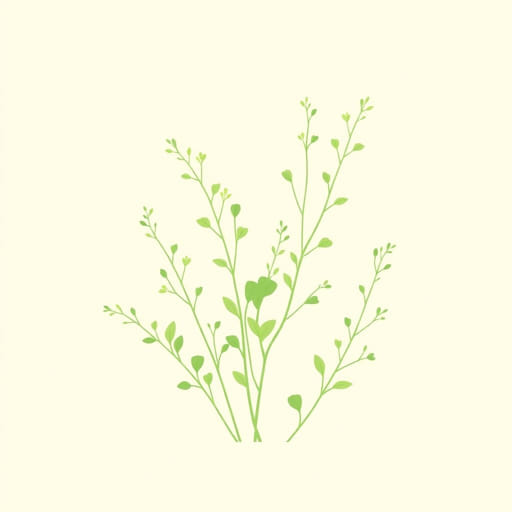
When encountering the term herbage, many might find it unfamiliar, even though it describes something seen almost every day. This word may not commonly appear in modern speech, but it carries both historical and agricultural importance. Herbage relates to vegetation, especially grass and other plants suitable for animals to graze. Its usage spans centuries and reflects the connection between language, land, and livestock. To understand what herbage means, it’s helpful to look at its definition, examples of use, contexts where it appears, and how it connects to the environment and agricultural practices.
Definition and Basic Meaning of ‘Herbage’
The word ‘herbage’ is defined as vegetation consisting mainly of herbaceous plants, particularly those that are suitable for grazing by livestock. It often includes grasses, clovers, and other non-woody plants that grow on the ground. In simple terms, herbage refers to the green plant matter that animals such as sheep, cows, goats, and deer feed on in fields or meadows.
Etymology of the Word ‘Herbage’
Herbage has roots in Middle English and comes from Old Frenchherbage, derived from the Latin wordherba, meaning grass or green crops. This origin emphasizes its close connection to plant life, especially the kind that flourishes in pastures and grazing lands. The historical usage of the term often had legal or agricultural significance, especially in feudal societies where land usage rights were defined in specific terms.
Herbage in Agriculture and Land Use
In the field of agriculture, herbage is an important concept. Farmers and ranchers rely on natural herbage to feed their livestock, especially when maintaining grazing systems. The availability, quality, and quantity of herbage directly affect animal health and productivity. In sustainable farming, careful management of herbage helps preserve soil quality, prevent erosion, and support biodiversity.
Types of Herbage
Herbage can vary depending on the region, climate, and land management. Common examples include:
- Grasses like ryegrass, bluegrass, or fescue
- Legumes such as clover and alfalfa
- Forbs broadleaf plants that aren’t grasses or legumes
Each type of herbage offers different nutritional values to animals and plays a role in maintaining healthy pasture ecosystems.
Herbage in Legal and Historical Contexts
Historically, the term herbage was used in English law to refer to the right to pasture animals on someone else’s land. This was known as a right of herbage and was a form of land use entitlement. In medieval times, common lands were areas where villagers had rights to gather wood, collect water, or graze animals. The right of herbage was one of the common rights exercised in these areas.
These rights were especially significant during periods when land ownership and access were highly restricted. Herbage rights gave peasants and smallholders the ability to support their livestock and sustain their families. Today, remnants of these rights still exist in some places, particularly in rural England.
Ecological Significance of Herbage
From an ecological perspective, herbage plays an essential role in sustaining ecosystems. Plants categorized as herbage contribute to soil health, prevent erosion, support pollinators, and serve as habitats for many small creatures. Proper grazing management helps preserve these ecosystems by promoting healthy plant regrowth and biodiversity.
Benefits of Natural Herbage
Well-managed herbage offers several ecological and agricultural benefits:
- Improved soil structure and moisture retention
- Carbon sequestration through plant growth
- Natural weed control and pest reduction
- Lower feed costs for livestock farmers
Herbage vs. Forage vs. Pasture
Sometimes, the word herbage is used interchangeably with terms like forage and pasture, but there are subtle differences:
- Herbagespecifically refers to the above-ground green vegetation that is edible by animals.
- Forageis a broader term that includes all plant material consumed by animals, including harvested or stored feed like hay or silage.
- Pastureusually refers to land where herbage grows and animals graze directly.
Understanding these distinctions helps clarify communication in farming, ecological research, and land management.
Modern Usage of the Word ‘Herbage’
Although herbage may sound old-fashioned, it is still used in specific contexts. You may find it in agricultural texts, ecological studies, environmental policies, or legal documents related to land use. For example, a conservation plan might describe the need to preserve native herbage to support wildlife habitats. Similarly, grazing permits might mention herbage availability as a factor for determining how many animals can use the land.
In scientific research, herbage is often measured to assess land productivity. Researchers might analyze herbage mass, which is the total weight of vegetation available for grazing. This data helps in understanding land health, supporting sustainable agricultural practices, and monitoring environmental change.
Herbage in Literature and Culture
While not common in everyday conversation, the word ‘herbage’ sometimes appears in literature or poetry to evoke natural beauty or pastoral life. Writers may use it to describe fields rich with life, emphasizing the peaceful and nourishing qualities of nature. It creates an image of lush greenery, untouched countryside, and the rhythm of rural life tied to the land.
Understanding the Importance of Herbage
The meaning of herbage goes beyond a simple definition. It encompasses history, ecology, agriculture, and language. Though the term may not be widely used in modern speech, it remains relevant in discussions about sustainable land use, animal husbandry, and environmental conservation. Whether describing the grass beneath grazing cattle or the rights of villagers centuries ago, herbage connects us to the land in meaningful ways.
Recognizing and appreciating herbage encourages a deeper respect for natural systems. From legal history to ecological management, this simple word holds a wealth of meaning. Understanding herbage not only enriches vocabulary but also deepens awareness of how language reflects humanity’s relationship with the environment. As we face modern challenges in agriculture and conservation, the humble concept of herbage continues to play a vital role.