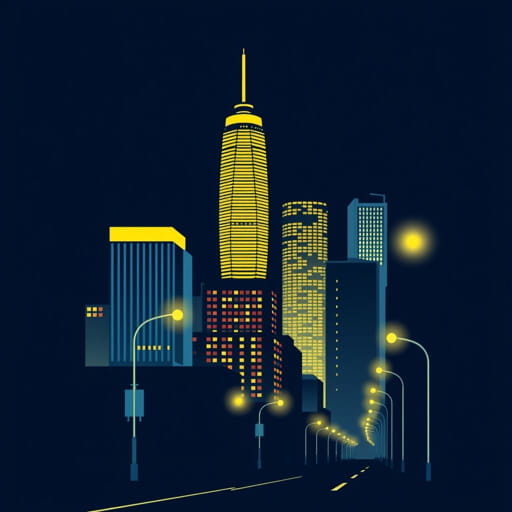
When people hear the phrase downtown lights, they might imagine glowing skyscrapers, neon signs, and the vibrant pulse of an urban evening. But the meaning of downtown lights extends beyond mere illumination. It can refer to the actual street and building lights that make a city shine at night, the culture and lifestyle of bustling downtown areas after dark, or even metaphorically, the emotional tone conveyed in art, music, or writing. Exploring the concept of downtown lights reveals layers of meaning tied to urban living, nightlife, and human experiences shaped by city environments.
The Literal Meaning of Downtown Lights
Urban Illumination and Infrastructure
At its most basic level, downtown lights refer to the artificial lighting used to brighten central urban areas at night. These lights include:
- Streetlights Positioned along roads to ensure visibility and safety.
- Traffic signals Essential for regulating city traffic flow at intersections.
- Architectural lighting Installed to highlight key buildings and landmarks.
- Commercial neon signs Popular for restaurants, stores, and entertainment venues.
- Holiday and event lighting Used during festivals, parades, or seasonal decorations.
These various lights combine to create the distinctive glow that gives downtown areas their recognizable night-time identity. They play a functional role by improving visibility and enhancing security, while also contributing to a city’s visual charm and personality.
Energy Efficiency and Environmental Impact
Modern cities are increasingly focused on sustainability, prompting updates to lighting systems. LED lights have largely replaced older sodium-vapor lamps because they:
- Consume less energy
- Last longer
- Emit less heat
- Provide better visibility with less glare
Many downtown lighting projects also incorporate smart technology to reduce light pollution and adjust brightness based on foot traffic, events, or time of day.
The Cultural Symbolism of Downtown Lights
Romanticism and Urban Mystique
Beyond their practical use, downtown lights have symbolic significance. In literature and popular culture, they often represent the energy, romance, and opportunities of city life. The warm, scattered lights of a downtown skyline at dusk evoke feelings of wonder and the endless possibilities waiting in the heart of the city.
Representation in Music and Art
Downtown Lights is also the title of a 1989 song by the Scottish band The Blue Nile. In this context, the lights symbolize loneliness, longing, and personal reflection amidst the backdrop of an anonymous city. Lyrics like Still got that light in your eye tie the physical lights to emotional states. In many other songs and films, downtown lights reflect a juxtaposition of solitude and connection, ambition and disillusionment.
Nightlife and Entertainment
Downtown lights are deeply associated with nightlife. The illuminated signs of bars, clubs, and theaters invite locals and tourists to enjoy the city’s after-hours culture. From Broadway in New York City to the Las Vegas Strip, lighting helps define entertainment districts and sets the mood for urban exploration.
Designing with Downtown Lights
Lighting as Public Art
In many metropolitan areas, lighting is used intentionally as part of public art installations. Light projections, color-changing facades, and dynamic displays breathe life into downtown buildings, bridges, and public plazas. These creative uses of light turn urban areas into immersive environments that attract visitors and uplift local communities.
Safety and Urban Planning
City planners must strike a balance between aesthetic appeal and public safety. Well-lit areas are shown to reduce crime rates and encourage evening activity. Key elements of strategic downtown lighting include:
- Illuminated walkways and transit stops
- Lights in public parks and plazas
- Emergency and surveillance lighting
The planning and implementation of downtown lights reflect a city’s priorities regarding security, accessibility, and livability.
Famous Cities Known for Downtown Lights
New York City
Times Square is perhaps the most iconic example of downtown lights. Giant digital billboards, streaming news tickers, and vibrant signage make it a symbol of modern metropolitan life.
Tokyo
Shibuya and Shinjuku districts dazzle with vibrant lights and a hypnotic flow of pedestrians and vehicles. These lights are a hallmark of Tokyo’s futuristic reputation.
Paris
Known as the ‘City of Light,’ Paris uses artistic lighting to highlight its architecture. The Eiffel Tower’s twinkling lights are globally recognized and draw millions of tourists each year.
Hong Kong
The Symphony of Lights a nightly multimedia show involving more than 40 buildings is a dazzling celebration of downtown lights as performance art.
The Emotional Impact of Downtown Lights
Nostalgia and Reflection
For some, downtown lights evoke personal memories first dates, late-night strolls, or solitary moments of thought. The calm hum of city lights can feel comforting and timeless.
Stimulation and Energy
Others experience excitement and motivation amid the glow of downtown lights. The bustling environment, glowing signs, and animated streets signal progress and endless activity.
Contrast and Irony
Not all associations are positive. In art and social commentary, downtown lights may highlight inequality or alienation. The glitz of city centers can sharply contrast with the realities of homelessness or economic disparity, all under the same lights.
Downtown Lights and Tourism
Attracting Visitors
Cities around the world promote their nighttime cityscapes as tourist attractions. River cruises, rooftop bars, and night photography tours center around urban lighting displays.
Instagrammable Moments
Travelers often seek out beautifully lit areas for photos. Landmarks illuminated at night create dramatic, memorable backdrops that boost social media presence and tourism marketing.
Downtown lights are more than just illumination. They are functional tools that enable safe, accessible cities. They are symbols in art, music, and culture, often representing the emotional textures of urban life. They create environments that foster community, tourism, and economic activity. Whether viewed from a high-rise balcony, experienced walking down a neon-lit street, or reflected upon in a song lyric, downtown lights shape how we see and feel about the cities we inhabit or dream of visiting. Their glow continues to inspire awe, nostalgia, and connection in hearts around the world.