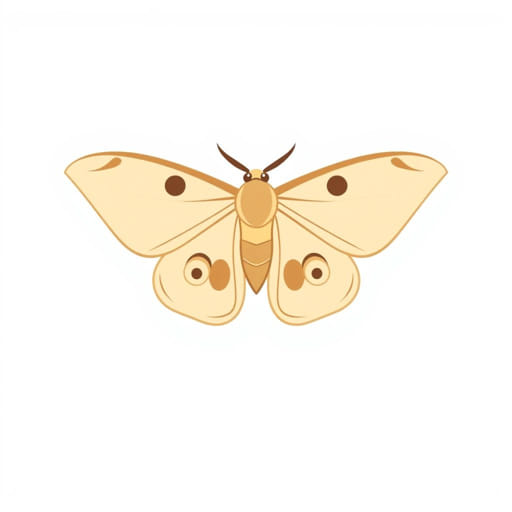
Large, eye-catching, and often spotted fluttering around outdoor lights in the summer, Polyphemus moths are one of the most recognizable giant silk moths in North America. With their impressive wingspan and distinctive eye-like patterns, these moths are more admired than feared. However, people unfamiliar with them may wonder: are Polyphemus moths harmful? The answer depends on your definition of harm, but for the most part, these beautiful insects are harmless to humans, pets, and the environment. To understand more, it’s important to explore their biology, behavior, and role in nature.
What Is a Polyphemus Moth?
The Polyphemus moth (Antheraea polyphemus) is a member of the Saturniidae family, a group known as giant silk moths. Named after the one-eyed Cyclops from Greek mythology due to the large eyespots on their hindwings, these moths are primarily nocturnal and known for their short adult lifespans.
Physical Characteristics
- Wingspan: Typically 4 to 6 inches
- Color: Tan to reddish-brown with yellow-ringed black eyespots
- Antennae: Large and feathery, especially in males
- Body: Fuzzy and robust with a light-colored abdomen
Despite their size, Polyphemus moths are gentle and passive creatures. They do not bite, sting, or cause direct harm to people or pets.
Are Polyphemus Moths Dangerous to Humans?
No, Polyphemus moths are not dangerous to humans in any way. They do not possess stingers, venom, or any form of defense that could harm skin or health. Even their caterpillars, although large and green, do not bite or cause allergic reactions.
Why People Might Think They’re Harmful
- Size: Their large wings and sudden movements can startle people
- Appearance: Bright eyespots can be intimidating at first glance
- Association: People often assume large insects are pests or harmful
These misconceptions are common, but unnecessary. In fact, Polyphemus moths do not even eat during their adult stage, as their primary purpose is to mate and reproduce. Their harmless nature makes them fascinating creatures to observe and appreciate.
Do Polyphemus Moths Cause Damage to Property or Plants?
As adults, Polyphemus moths do not feed, so they pose no threat to gardens, crops, or trees. However, their larvae the caterpillars do feed on a wide variety of host plants. Still, their feeding behavior is not generally destructive and does not usually result in serious agricultural damage.
Common Host Plants for Caterpillars
- Oak
- Maple
- Birch
- Hickory
- Willow
- Cherry
In natural populations, the number of caterpillars is typically small enough that they do not defoliate trees or threaten plant health. Only under rare conditions such as artificially concentrated breeding or disrupted predator-prey dynamics might their numbers grow large enough to become a mild nuisance. Even then, their impact is nowhere near that of invasive pests like gypsy moths or tent caterpillars.
Lifecycle and Ecological Role
The lifecycle of the Polyphemus moth consists of four stages: egg, larva (caterpillar), pupa (cocoon), and adult. This cycle typically takes several months, depending on environmental conditions.
Lifecycle Overview
- Eggs: Laid on host plants, hatching in 12 weeks
- Larvae: Feed for several weeks and molt multiple times
- Pupa: Encased in a silk cocoon, overwintering in many cases
- Adult: Lives only about 4 to 7 days, focused on reproduction
Polyphemus moths play an important ecological role. As caterpillars, they serve as food for birds and small mammals. As adults, though they do not feed, they are part of the nighttime ecosystem and occasionally fall prey to bats, owls, and other nocturnal predators.
Can Polyphemus Moths Be Beneficial?
Yes, in several ways. While they do not pollinate flowers or produce silk in a commercial sense, they still contribute to biodiversity. Their presence in an area is often a sign of a healthy, functioning ecosystem with native plants and minimal pesticide use.
Benefits of Polyphemus Moths
- Education: Great for learning about metamorphosis and insect ecology
- Wildlife Support: Provide food for predators at multiple life stages
- Biodiversity Indicator: Signal of native species health and low pollution
In gardens or natural areas, spotting a Polyphemus moth should be seen as a positive experience. Their silent, non-disruptive presence adds value to outdoor environments without introducing harm.
Common Myths About Polyphemus Moths
Misinformation can lead to unnecessary fear or even attempts to eliminate these moths. Here are some common myths and the truths behind them:
- Myth: They sting or bite.
Fact: Neither adults nor caterpillars have stingers or venom. - Myth: They eat crops.
Fact: Adults don’t eat at all; caterpillars rarely exist in damaging numbers. - Myth: They are pests.
Fact: They are native species that support the local food web.
Understanding these facts can promote a more peaceful coexistence with these fascinating insects and reduce unnecessary pesticide use or habitat destruction.
How to Handle a Polyphemus Moth Encounter
If you find a Polyphemus moth in or around your home, there’s no need to panic. These moths are harmless and can safely be left alone or gently moved outside if needed.
Helpful Tips
- If indoors, gently coax the moth into a container and release it outside
- Avoid using insecticides they are unnecessary and harmful to beneficial species
- If you find a cocoon, leave it undisturbed until spring to allow natural emergence
By treating these moths with care and curiosity rather than fear, you can help maintain natural cycles and enjoy the wonder of native wildlife.
Harmless Beauty of the Night
Polyphemus moths are not harmful. They do not bite, sting, damage property, or pose any threat to people, pets, or the environment. Instead, they are a gentle and important part of the natural world. From their impressive wingspan to their silent, nocturnal flights, these moths inspire awe and serve valuable roles in ecosystems. By understanding and appreciating them, we can foster a deeper respect for native species and the balance they bring to our surroundings. So, the next time a Polyphemus moth flutters by your porch light, admire its beauty there’s nothing to fear.