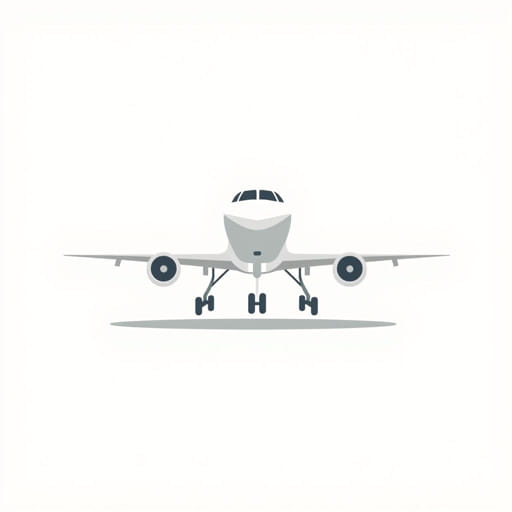
Landing gear plays a vital role in the operation of any aircraft. Often overlooked by passengers, this essential component ensures that airplanes can take off, land, and taxi safely on runways or other surfaces. Whether on commercial jets, military aircraft, or private planes, the landing gear system is a key feature that supports the entire structure of the aircraft when it’s on the ground. Understanding what landing gear is, how it works, and the different types that exist offers insight into the engineering marvel behind flight safety and efficiency.
Definition and Purpose of Landing Gear
Landing gear refers to the undercarriage of an aircraft. Its primary purpose is to support the aircraft during landing and while it is on the ground. It absorbs the shock of landing and provides mobility on the surface, allowing aircraft to taxi to and from runways or terminals.
The landing gear system typically consists of wheels, struts, brakes, and sometimes skis or floats, depending on the type of aircraft and surface it operates on. This complex assembly must be strong enough to handle immense stress, yet light enough to not hinder the aircraft’s performance in the air.
Types of Landing Gear
There are several types of landing gear, each suited to different aircraft types and usage scenarios. The most common include:
1. Tricycle Landing Gear
This is the most widely used configuration on modern aircraft. It features three sets of wheels two main gears under the wings or fuselage and one nose gear at the front. Tricycle landing gear offers better forward visibility and reduces the risk of tipping over.
- Main Gear: Located near the aircraft’s center of gravity
- Nose Gear: Positioned at the front for steering and stability
2. Taildragger or Conventional Gear
Common in older planes and bush aircraft, this configuration has two main wheels in front and a small wheel or skid at the tail. Although it allows for better propeller clearance, it can be more difficult to control during taxiing and landing.
3. Tandem Landing Gear
Tandem gear places the main wheels in a straight line along the fuselage. Used in aircraft like the U-2 spy plane, it is less common and requires outrigger wheels for balance during taxi and takeoff.
4. Specialized Landing Gear
- Floats: Used for seaplanes to land on water
- Skis: Designed for snowy or icy runways
- Retractable vs. Fixed: Retractable landing gear is stowed during flight to reduce drag, while fixed gear remains extended at all times
Key Components of Landing Gear
Landing gear is composed of multiple parts that work together to ensure safety and functionality:
Wheels and Tires
Aircraft wheels are made of high-strength aluminum or magnesium alloys and are designed to withstand heavy loads. Tires are inflated to high pressures and reinforced with layers of rubber and fabric to handle the shock of landing.
Shock Absorbers
Also known as oleo struts, these devices compress upon landing to absorb and dissipate energy. This reduces stress on the airframe and provides a smoother landing experience.
Braking System
Brakes are located on the main wheels and are crucial for deceleration after landing. Many modern aircraft use anti-skid systems to prevent tire locking during high-speed landings.
Steering Mechanism
Nose gear typically includes a steering system that helps pilots maneuver the aircraft while taxiing. This may be hydraulically or electrically powered, depending on the aircraft model.
Retraction and Extension Systems
In aircraft with retractable landing gear, a mechanism lifts the gear into a compartment during flight. This process can be controlled by:
- Hydraulic Systems: Most common due to high power and reliability
- Electric Motors: Simpler and lighter, often used in smaller aircraft
- Manual Cranks: Emergency backup systems if the main system fails
Proper synchronization and locking are critical, ensuring the gear is secure both in the up and down positions. Pilots use cockpit indicators to verify gear status.
Maintenance and Safety Checks
Landing gear systems undergo rigorous maintenance due to their critical role and exposure to wear and tear. Regular inspections include:
- Checking tire pressure and tread
- Inspecting for hydraulic leaks
- Testing brake function and steering control
- Monitoring shock absorber extension
Scheduled overhauls involve disassembling the entire landing gear for cleaning, lubrication, replacement of worn parts, and functionality testing.
Common Problems and Failures
Although landing gear is highly reliable, issues can still arise, including:
- Gear not extending or retracting properly
- Hydraulic fluid leaks causing gear malfunction
- Tire blowouts on landing
- Faulty indicators or sensor failures
Pilots are trained to handle gear-related emergencies, which may involve manual extension or alternate landing procedures. Airports are also equipped to assist with emergency landings when gear malfunctions occur.
Innovations in Landing Gear Technology
As aviation continues to evolve, so does landing gear technology. Advancements include:
Lightweight Materials
New materials like carbon composites help reduce aircraft weight, improving fuel efficiency and reducing emissions.
Smart Sensors
Advanced sensor systems can monitor gear health in real time, helping predict failures before they occur and improving maintenance schedules.
Electric Actuation
Some modern aircraft use electric actuation instead of hydraulics for simpler, more energy-efficient operations.
Noise Reduction
Gear doors and wheel wells are designed for aerodynamic efficiency and noise minimization, especially important during takeoff and landing in residential areas.
Landing gear may not be the most visible or glamorous part of an aircraft, but it is one of the most essential. From providing support on the ground to absorbing the impact of landing, the landing gear ensures every flight begins and ends safely. With various types, intricate mechanisms, and constant innovation, landing gear reflects the complexity and precision of modern aviation engineering. Understanding its function and components not only highlights its importance but also gives greater appreciation for the systems that keep air travel safe and reliable.