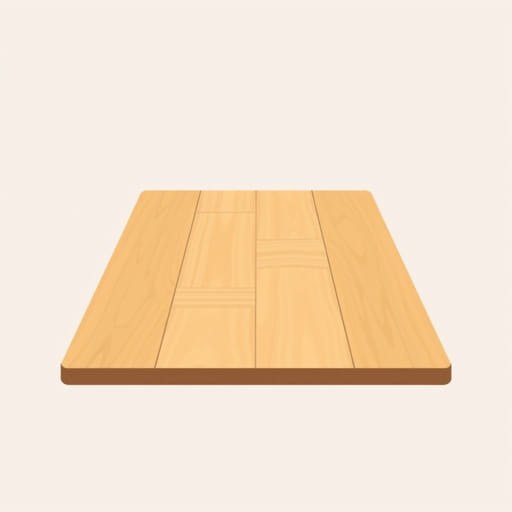
When it comes to protecting and enhancing the natural beauty of wooden floors, the terms ‘vitrification’ and ‘vernis parquet’ frequently arise in French-speaking contexts. These terms refer to the process of sealing, strengthening, and beautifying parquet flooring with a protective finish. Whether you own a classic hardwood floor or a modern engineered parquet, understanding the nuances of these finishing methods is essential. Choosing the right type of floor treatment can significantly impact durability, appearance, and long-term maintenance requirements. This topic explores the concepts, advantages, and applications of vitrification and parquet varnish, helping homeowners and professionals make informed flooring decisions.
Understanding Vitrification of Parquet
What Is Vitrification?
Vitrification is a finishing technique primarily used for parquet or hardwood floors. It involves applying a high-resistance coating, often polyurethane-based, that forms a protective film on the surface of the wood. This film acts like a shield against wear, moisture, and scratches. The word ‘vitrification’ comes from the French ‘vitrifier,’ which means to make glassy or glossy a reflection of the sheen and hardness this method provides.
How Does the Vitrification Process Work?
The process generally follows a few key steps:
- Sanding: The parquet floor is thoroughly sanded to remove any previous finishes, scratches, or stains.
- Cleaning: After sanding, the surface is meticulously cleaned to remove dust and debris that could affect adhesion.
- Application: Multiple layers of vitrifying product are applied with drying time between coats. These products can be water-based or solvent-based.
- Drying and Curing: After the final coat, the floor is left to dry and harden, forming a durable, transparent layer.
Advantages of Vitrification
This method is especially popular due to its numerous benefits:
- High resistance to everyday wear and tear
- Enhanced water resistance compared to natural wood
- Easy to clean and maintain
- Long-lasting with minimal upkeep
- Variety of finishes: matte, satin, or glossy
Exploring Vernis Parquet (Parquet Varnish)
What Is Vernis Parquet?
‘Vernis parquet’ refers to varnish specifically designed for parquet flooring. While similar to vitrification in appearance and function, the term ‘vernis’ emphasizes the type of product used. Varnish for parquet is typically a polyurethane-based solution, either oil-based or water-based, that adds both protection and aesthetic appeal to the wood surface.
Types of Parquet Varnish
- Water-Based Varnish: Eco-friendly, fast-drying, and low in odor. It preserves the natural tone of the wood but may require more frequent maintenance.
- Oil-Based Varnish: Offers deeper coloration and strong resistance. Slower to dry and may yellow slightly over time, giving the floor a warm patina.
Steps for Applying Parquet Varnish
Applying parquet varnish is very similar to vitrification. Here’s a brief overview:
- Preparation: The floor is sanded and cleaned thoroughly.
- Priming: A primer or sealer may be applied to enhance adhesion.
- Varnishing: Two to three coats of varnish are applied using a brush or roller.
- Finishing: The surface is left to cure, forming a solid, glossy, or matte layer depending on the chosen finish.
Benefits of Using Parquet Varnish
- Preserves and enhances the natural grain of wood
- Resistant to scratches, stains, and light moisture
- Various finishes available to suit interior styles
- Cost-effective solution for long-term floor protection
Comparing Vitrification vs Vernis Parquet
Key Differences
Although the two terms are often used interchangeably, there are subtle distinctions worth noting:
- Technique vs Product: Vitrification refers to the method, while vernis parquet refers to the actual varnishing product.
- Gloss Level: Vitrification often implies a glossier, harder finish, whereas varnish can be tailored to a wider range of sheens.
- Product Type: Varnishes come in a wide variety synthetic, natural, or hybrid with different environmental and performance profiles.
Which One Should You Choose?
Your choice depends on your flooring needs, aesthetic preferences, and environmental considerations. Vitrification is ideal for high-traffic areas or households with pets and children due to its robust protection. If you’re aiming for a more natural look and don’t mind occasional maintenance, a high-quality parquet varnish may be the right option. Either way, both methods significantly extend the life of your wooden floors and enhance their visual appeal.
Maintenance and Longevity
Daily Care Tips
Whether you choose vitrification or parquet varnish, regular maintenance is important to keep your floors looking their best:
- Use a soft broom or vacuum cleaner with a parquet nozzle
- Avoid wet mopping; use a damp microfiber mop instead
- Clean up spills immediately to avoid staining
- Use rugs or pads under furniture legs
- Reapply protective layers as needed based on wear
Refinishing Considerations
Over time, even vitrified or varnished floors may lose their shine or get scratched. Fortunately, both types of finishes can be renewed:
- Light Buffing: For minor surface damage, a light sanding followed by a new topcoat can restore the floor’s luster.
- Full Sanding: For deeper damage, the floor may need to be fully sanded down and refinished.
Environmental and Health Aspects
Low-VOC Products
As awareness about indoor air quality grows, many manufacturers offer low-VOC (volatile organic compounds) varnishes and vitrification products. Water-based finishes are especially popular in eco-conscious homes due to their minimal odor and fast drying time.
Choosing Sustainable Options
For those who prioritize sustainability, consider using natural or water-based products and sourcing wood from FSC-certified suppliers. This ensures minimal impact on the environment while still enjoying durable, beautiful flooring.
Both vitrification and vernis parquet play a crucial role in preserving the value, durability, and elegance of wooden floors. Whether you’re refurbishing an old oak parquet or installing a brand-new beechwood surface, applying the right type of finish will significantly enhance both its aesthetic and functional qualities. By understanding the differences, benefits, and applications of these techniques, homeowners can make confident decisions to protect and beautify their living spaces for years to come. A properly finished parquet floor doesn’t just look good it becomes a lasting investment in your home’s comfort and style.