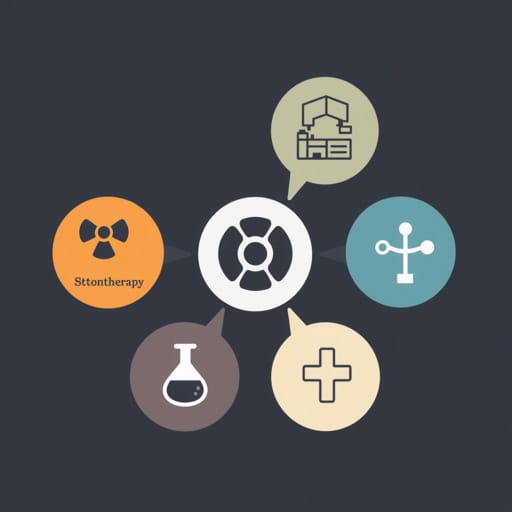
Strontium-90 is a radioactive isotope of the element strontium, known for its unique properties and significant applications in various fields. As a byproduct of nuclear fission reactions, Strontium-90 has a half-life of approximately 28.8 years and emits beta ptopics during its radioactive decay. Despite its radioactive nature, this isotope has been harnessed for a range of uses that benefit medical, industrial, and scientific sectors. Understanding the diverse applications of Strontium-90 sheds light on how this element plays a critical role in modern technology and research, while also emphasizing the importance of careful handling due to its radioactivity.
What is Strontium-90?
Strontium-90 (Sr-90) is a synthetic radioactive isotope produced mainly during the nuclear fission of uranium and plutonium in nuclear reactors and during atomic bomb detonations. It behaves chemically similar to calcium, which means it can accumulate in bones if ingested or inhaled, making it hazardous to human health. Its beta radiation emission and relatively long half-life contribute to its usefulness in controlled scientific and industrial applications.
Physical and Chemical Properties
Strontium-90 emits beta ptopics with high energy, which can penetrate biological tissues and materials but can be shielded by plastic, glass, or metal layers. Its half-life of almost 29 years allows it to remain radioactive and active for decades, making it useful for long-term applications. It is usually stored in sealed containers to prevent environmental contamination.
Main Uses of Strontium-90
Despite its potential hazards, Strontium-90 has several important uses across multiple industries. These applications take advantage of its radioactive properties in ways that improve technology, healthcare, and safety.
Medical Applications
One of the most notable uses of Strontium-90 is in the field of medicine, particularly in radiation therapy.
- Cancer Treatment: Strontium-90 is used in radiotherapy to treat certain types of cancers, especially skin cancer and eye tumors. Its beta radiation can target and destroy malignant cells while minimizing damage to surrounding healthy tissue.
- Ophthalmology: It is utilized in eye treatments, such as pterygium and conjunctival tumors, where localized radiation helps reduce tumor growth or recurrence after surgery.
- Pain Relief for Bone Cancer: Sr-90 is used in some radiopharmaceuticals designed to relieve pain in patients with bone metastases by targeting the bone tissue and reducing inflammation.
Industrial Uses
Strontium-90 finds important applications in various industries due to its radioactive properties and ability to provide steady energy output.
- Radioisotope Thermoelectric Generators (RTGs): Sr-90 is used as a heat source in RTGs, which convert heat from radioactive decay into electricity. This technology is valuable for powering remote or inaccessible devices, such as navigational beacons, space probes, and weather stations.
- Thickness Gauging: In manufacturing, Sr-90 is used in thickness gauges to measure the thickness of materials like paper, plastic films, and metal sheets. Its beta radiation can penetrate materials, allowing precise measurements without physical contact.
- Static Eliminators: Sr-90 is sometimes employed to neutralize static electricity in processes where static buildup can cause product defects or safety hazards, such as in plastics or textile manufacturing.
Scientific and Research Applications
In research, Strontium-90 is a valuable tool for scientists studying radiation effects and nuclear processes.
- Tracer Studies: Sr-90 serves as a radioactive tracer in environmental and biological studies to track movement and absorption patterns of strontium and related elements.
- Radiation Dosimetry: It is used for calibrating radiation detection instruments and dosimeters, ensuring accuracy in measuring radiation levels in medical, industrial, and environmental settings.
- Understanding Radioactive Decay: Sr-90’s decay properties make it a subject of study in nuclear physics, helping scientists understand beta decay and radioactive interactions.
Environmental and Safety Considerations
While Strontium-90 has valuable uses, it poses significant health and environmental risks if not handled properly. Its chemical similarity to calcium means it can accumulate in bones, causing radiation damage that leads to bone cancer, leukemia, and other serious conditions.
Radioactive Contamination Risks
Accidental release of Sr-90 into the environment, such as during nuclear accidents or improper disposal of nuclear waste, can contaminate soil, water, and food supplies. It is one of the most concerning isotopes due to its long half-life and biological accumulation.
Regulations and Handling
- Strict regulations govern the production, storage, transport, and disposal of Sr-90 to minimize environmental contamination and human exposure.
- Use of protective gear and shielding materials is mandatory when working with Sr-90 to prevent beta radiation exposure to workers.
- Disposal methods typically involve containment in secure facilities designed to isolate radioactive materials for hundreds of years.
Future Prospects and Innovations
Research continues into safer and more efficient uses of Strontium-90, particularly in energy generation and medical treatments. Innovations aim to harness its radioactive energy with improved shielding and minimal environmental impact.
Energy Applications
New designs for radioisotope thermoelectric generators (RTGs) are exploring Sr-90 as a more accessible and cost-effective alternative to other isotopes like plutonium-238. These could power remote sensors, spacecraft, and deep-sea equipment for extended periods without external fuel sources.
Medical Research
Efforts are ongoing to develop Sr-90-based radiopharmaceuticals that deliver targeted therapy with fewer side effects, potentially enhancing cancer treatment options.
Summary of Key Uses of Strontium-90
- Radiotherapy for cancer treatment, especially skin and eye cancers.
- Power source in radioisotope thermoelectric generators (RTGs) for remote applications.
- Industrial thickness gauging and static elimination.
- Scientific research in radiation measurement and tracer studies.
- Subject of environmental safety and radioactive waste management.
Strontium-90 is a versatile and powerful radioactive isotope with a broad range of applications in medicine, industry, and scientific research. Its ability to emit beta radiation and provide a long-lasting energy source makes it valuable for specialized uses like cancer treatment and powering remote devices. However, its radioactivity also requires strict safety protocols to protect human health and the environment. With ongoing advancements and responsible management, Strontium-90 will continue to serve important roles in technology and healthcare, balancing its risks with its benefits.