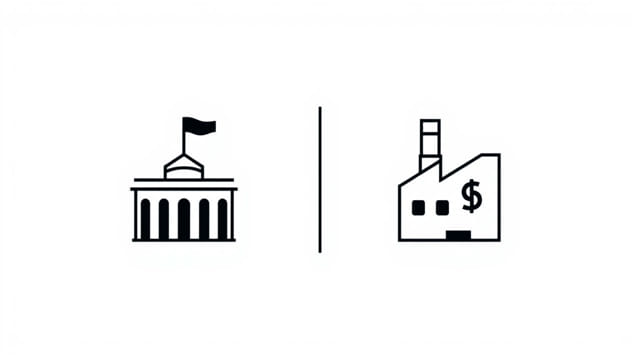
In Victoria 3 (VIC3), one of the most compelling aspects of gameplay revolves around managing the economy. Among the major strategic decisions players must confront is whether to privatize or nationalize key industries. This choice goes beyond economic numbers it influences political ideologies, social stability, technological progress, and even global diplomatic standing. Understanding how privatization and nationalization work within VIC3 is essential for shaping your country’s destiny through the 19th and early 20th centuries.
Understanding Economic Ownership Models in Victoria 3
The Role of Economic Systems
Victoria 3 gives players control over how their country’s economy develops. Unlike other grand strategy games that focus purely on military or diplomacy, VIC3 places a significant emphasis on population-driven economies and the ideologies that drive them. Ownership of production buildings and industries directly affects productivity, political influence, and workforce satisfaction.
Choosing between privatization and nationalization isn’t just about profits it’s about deciding whether the state or private entities should guide economic development. Each model has its own set of mechanics, outcomes, and risks that must be carefully weighed.
Privatization in VIC3
What It Means
In a privatized economy, industries and businesses are owned and operated by private individuals or corporations. In VIC3, this usually means capitalists will be the ones funding and expanding factories, mines, and infrastructure, often without direct state intervention.
Benefits of Privatizing
- Capital Investment: Private capitalists invest in buildings and industries, reducing the state’s financial burden.
- Faster Industrial Growth: Under the right conditions, capitalist-driven economies can expand rapidly.
- Innovation Incentives: With private competition comes more efficiency and innovation, improving output over time.
- Reduced Bureaucracy: Less state control means fewer administrative resources are needed to manage the economy.
Risks of Privatizing
- Income Inequality: Private ownership can lead to significant wealth gaps between social classes.
- Worker Exploitation: Capitalists often prioritize profit, sometimes at the expense of worker rights and conditions.
- Political Instability: A strong capitalist class can push for liberal or reactionary reforms that may destabilize governments.
Ideal Conditions for Privatization
Privatization works best in countries with high literacy, a growing middle class, and access to global markets. If your country has low state capacity or is pursuing liberal economic laws, privatization allows industries to flourish while the government focuses on other aspects of development.
Nationalization in VIC3
What It Involves
Nationalization refers to the state taking ownership of industries and services. In VIC3, this typically involves state-run economies where buildings are owned by the government, and investment decisions are centrally managed. This model fits well with command economies, authoritarian regimes, or nations seeking to centralize power.
Benefits of Nationalizing
- Income Redistribution: Profits from industries go directly to the government, which can use them for social programs or public services.
- Control Over Strategic Sectors: Nationalizing key industries ensures critical sectors like railroads or arms industries are reliable and secure.
- Stability in Employment: State-run businesses often provide more consistent employment and better worker conditions.
- Support for Planned Economies: Nationalization aligns with socialist and command economic systems, allowing for long-term planning.
Risks of Nationalizing
- Economic Inefficiency: Without competition, state-owned businesses may become stagnant or poorly managed.
- Heavy Bureaucratic Load: Running industries requires a lot of administrative capacity and state funds.
- Slower Growth: Because investments rely on government planning and budgets, economic expansion may be slower.
Ideal Conditions for Nationalization
Nationalization is often better suited for countries with strong governments, high tax efficiency, and political movements that support socialism or state control. It also helps in developing nations where capitalists are weak or absent, allowing the state to kickstart industrialization directly.
Shifting Between Privatization and Nationalization
Legal and Ideological Barriers
In VIC3, you can’t simply flip a switch to change your economy overnight. Changing from a capitalist to a state-owned system (or vice versa) often requires passing new economic laws. This can be difficult, depending on your government’s structure, the influence of interest groups, and the current political situation.
For example, passing laws such as Command Economy or Planned Economy is necessary to nationalize buildings. On the other hand, enacting Laissez-Faire or Free Market enables privatization. The power and clout of groups like the Industrialists or Trade Unions can either block or enable these changes.
Managing the Transition
If you decide to shift from one model to another, be prepared for economic disruption. Nationalizing industries may cause capitalists to lose income, triggering political backlash. Privatizing previously state-owned industries may leave your population vulnerable if social programs collapse due to funding issues.
Gradual changes are often the most sustainable. Introducing mixed ownership or slowly phasing in new laws allows the population to adjust and can minimize negative effects like unemployment, unrest, or economic collapse.
Economic Strategies in Different Playstyles
Liberal Democracies
For countries that embrace liberalism and capitalist ideologies, privatization fits naturally. Letting the market guide development, reducing government oversight, and enabling free trade can lead to strong economic growth and political freedoms.
Socialist States
In socialist regimes, nationalizing key industries provides the foundation for a controlled and equitable economy. Building up state capacity and using command economic laws help ensure a stable, long-term strategy for development and welfare.
Colonial or Developing Nations
For underdeveloped or colonized countries, starting with state control may offer a more stable path to industrialization. Over time, as education and infrastructure improve, transitioning to a mixed economy can help balance efficiency and equity.
The decision to privatize or nationalize in Victoria 3 is not merely an economic one it’s a deeply political, social, and strategic choice. Both options offer distinct advantages and risks that depend heavily on your country’s conditions, leadership, and long-term goals. Understanding how each system works, and when to apply them, can shape the rise or fall of your nation in the complex, dynamic world of VIC3. Whether you empower capitalists to fuel innovation or harness state power to ensure equality, the path you choose will define your legacy as a ruler.