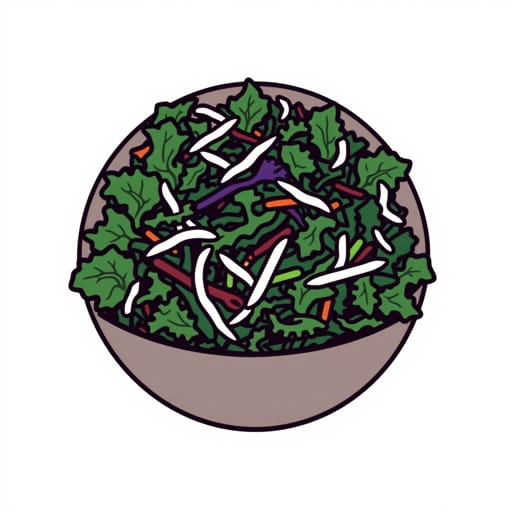
Kale slaw is a vibrant, nutrient-dense variation of traditional coleslaw, offering a healthier and often more flavorful alternative. Made primarily with kale as its base, this slaw combines fresh vegetables, tangy dressings, and sometimes fruits or nuts for added texture and taste. It’s become increasingly popular in modern kitchens thanks to the rise of superfoods and health-conscious eating. Whether served as a side dish, a topping, or even a light main course, kale slaw delivers a delicious blend of crunch and freshness that fits a variety of dietary needs.
What Is Kale Slaw?
A Modern Twist on Coleslaw
Unlike traditional coleslaw, which typically features shredded cabbage, kale slaw uses kale leaves as the main ingredient. Kale, a leafy green from the cabbage family, offers a firmer texture and a slightly bitter, earthy flavor that balances beautifully with sweet or acidic dressings. Many versions also include carrots, purple cabbage, red onions, or apple slices for extra crunch and color.
Why Kale?
Kale is known for its impressive nutritional profile. It’s packed with vitamins A, C, and K, as well as minerals like calcium, potassium, and iron. It’s also high in fiber and antioxidants, which support digestion and reduce inflammation. Because of these health benefits, kale is a favorite among those seeking clean, nutrient-rich foods, and it makes an ideal foundation for a slaw.
Common Ingredients in Kale Slaw
Basic Vegetable Components
While recipes may vary, kale slaw often includes a variety of colorful, fresh vegetables. Common ingredients include:
- Chopped kale (curly or lacinato varieties)
- Shredded carrots for sweetness and crunch
- Thinly sliced red or green cabbage
- Julienned apples or pears
- Sliced red onions or scallions
These ingredients combine to provide a balance of textures and flavors bitter, sweet, and tangy all in one dish.
Dressings and Sauces
The dressing plays a critical role in bringing a kale slaw together. Popular dressings range from creamy to vinegar-based, and may include:
- Greek yogurt or mayo-based dressings for creaminess
- Olive oil and lemon juice for a lighter option
- Apple cider vinegar or balsamic vinegar for a tangy bite
- Honey or maple syrup for a touch of sweetness
- Mustard, garlic, or herbs for extra depth of flavor
Massage the kale gently with the dressing to soften the leaves and enhance their taste.
Toppings and Additions
To elevate both flavor and nutrition, many people add toppings such as:
- Sunflower seeds or pumpkin seeds
- Toasted nuts like almonds or walnuts
- Dried cranberries or raisins for sweetness
- Crumbled feta or goat cheese
- Chickpeas or grilled chicken for added protein
These extras not only improve the taste but also add visual appeal and substance, making kale slaw a satisfying meal on its own.
How to Make Kale Slaw at Home
Step-by-Step Preparation
Making kale slaw is simple and doesn’t require advanced cooking skills. Here’s a basic method:
- Wash and Dry the Kale: Remove thick stems, then chop the leaves into bite-sized pieces.
- Massage the Kale: Rub the leaves with a bit of olive oil or dressing to soften them.
- Prepare Additional Vegetables: Shred or thinly slice carrots, cabbage, and onions.
- Make the Dressing: Mix oil, vinegar or lemon juice, sweetener, and seasonings to taste.
- Combine: Toss all ingredients together in a large bowl, adding dressing gradually.
- Chill: Let it sit in the fridge for at least 20 minutes to meld flavors.
Tips for Best Results
- Use fresh, crisp vegetables for maximum crunch.
- Let the slaw rest before serving to improve texture and flavor.
- Customize with seasonal produce or your favorite toppings.
Health Benefits of Kale Slaw
Nutrient-Rich Superfood
Kale is one of the most nutrient-dense foods you can eat. When combined with other fresh vegetables and healthy fats from the dressing, kale slaw becomes a powerhouse of vitamins, minerals, and antioxidants. It supports immune health, boosts energy, and aids digestion, making it a smart addition to any diet.
Great for Special Diets
Kale slaw is naturally gluten-free and can be easily adapted for vegan, vegetarian, paleo, or keto diets. By swapping out or omitting certain ingredients, you can tailor the dish to fit your dietary needs without sacrificing flavor or satisfaction.
Popular Variations of Kale Slaw
Asian-Inspired Kale Slaw
This version includes ingredients like shredded napa cabbage, sesame oil, soy sauce, ginger, and sesame seeds. Sometimes chopped peanuts or ramen noodles are added for crunch.
Southwestern Kale Slaw
Featuring black beans, corn, red pepper, and a cumin-lime dressing, this zesty variation is perfect as a taco topping or side for grilled meats.
Apple and Cranberry Kale Slaw
A sweeter option, this slaw blends chopped apples, dried cranberries, and a honey-lemon vinaigrette for a fresh, autumn-inspired taste.
Serving Suggestions
As a Side Dish
Kale slaw pairs beautifully with grilled chicken, fish, or burgers. It adds a refreshing contrast to heavier, savory main dishes and can brighten any plate with its color and crunch.
In Sandwiches or Wraps
Try using kale slaw as a topping in sandwiches, wraps, or tacos. Its bold texture and flavor can replace lettuce or add complexity to simple lunch options.
As a Light Meal
With the addition of protein-rich toppings like quinoa, chickpeas, or grilled tofu, kale slaw can serve as a complete meal. It’s filling without being heavy, making it great for lunch or dinner.
Kale slaw is more than just a trendy twist on coleslaw it’s a nutrient-packed, flavorful dish that fits into nearly any diet or lifestyle. With endless ways to customize it, from tangy vinaigrettes to sweet fruit and crunchy seeds, this versatile slaw can be tailored to suit your personal tastes. Whether you’re looking for a vibrant side dish or a healthy lunch, kale slaw delivers freshness, texture, and nutrition in every bite. It’s an excellent way to incorporate more greens into your diet while enjoying a delicious, satisfying meal.