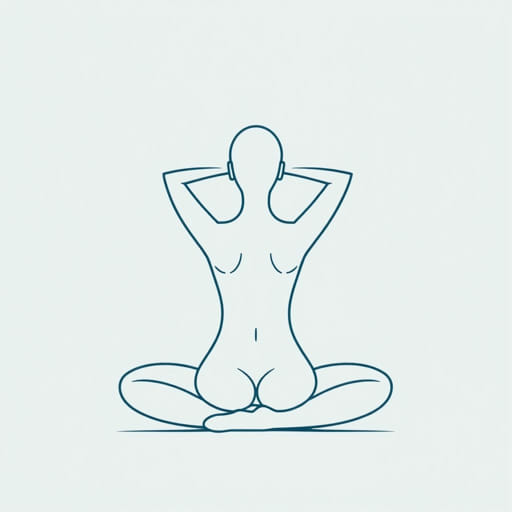
Scapula pain, often experienced as discomfort or tightness in the upper back and shoulder blade area, can significantly affect daily activities such as lifting, reaching, or even simple movements like turning the head. Many people suffer from this type of pain due to poor posture, long hours of desk work, muscle strain, or previous injuries. Yoga offers a gentle, natural approach to relieving scapula pain by improving posture, increasing flexibility, and strengthening the muscles around the shoulders and upper back. By practicing specific yoga poses consistently, individuals can reduce tension and promote better alignment in the scapular region.
Understanding Scapula Pain
The scapula, or shoulder blade, is a flat triangular bone that connects the upper arm to the collarbone and spine. Pain in this area can be caused by various factors, including muscle imbalances, nerve compression, or overuse. In some cases, the pain may radiate to the neck or upper arm. It is crucial to address the root cause rather than just the symptoms. Yoga for scapula pain focuses on stretching tight muscles, strengthening weak ones, and encouraging proper body mechanics.
Common Causes of Scapula Pain
- Poor posture, especially from prolonged sitting or slouching
- Repetitive movements involving the shoulders
- Muscle tightness in the chest and neck
- Weakness in the upper back and core muscles
- Stress and tension buildup in the shoulders
Benefits of Yoga for Shoulder Blade Pain
Yoga offers a holistic approach to healing scapula pain. Instead of focusing solely on the pain point, it addresses the entire musculoskeletal system. Practicing yoga can result in:
- Improved posture and spinal alignment
- Increased flexibility in the shoulders, chest, and back
- Strengthened muscles supporting the scapula
- Better body awareness and movement patterns
- Reduced tension and stress that contribute to pain
Yoga Poses for Scapula Pain Relief
1. Child’s Pose (Balasana)
This gentle resting pose stretches the spine and helps release tension from the shoulders and upper back.
- Kneel on the mat, big toes touching, knees apart.
- Extend your arms forward and rest your forehead on the floor.
- Let your shoulders relax and sink toward the ground.
2. Thread the Needle (Parsva Balasana)
This pose targets the shoulder blades and thoracic spine, encouraging deep rotation and stretching.
- Start in a tabletop position with hands and knees on the mat.
- Slide your right arm under your left arm, palm facing up.
- Rest your right shoulder and temple on the mat, keeping the left hand extended forward or placed on the lower back.
3. Cat-Cow Stretch (Marjaryasana-Bitilasana)
These two flowing poses warm up the spine and encourage movement between the shoulder blades.
- Begin on your hands and knees.
- Inhale as you arch your back (cow pose), lifting the chest and tailbone.
- Exhale as you round your back (cat pose), drawing your chin to your chest and spreading your shoulder blades apart.
4. Eagle Arms (Garudasana Arms)
This upper-body variation of Eagle Pose deeply stretches the muscles between and around the shoulder blades.
- Sit or stand tall, then bring your arms out in front of you.
- Wrap your right arm under your left and bring palms to touch if possible.
- Lift the elbows slightly and move the hands away from the face to deepen the stretch.
5. Cobra Pose (Bhujangasana)
Cobra helps strengthen the back muscles and promote better posture by opening the chest and stabilizing the scapulae.
- Lie face down with hands under your shoulders and legs extended.
- Inhale and gently lift your chest, keeping elbows close to your body.
- Engage the muscles between your shoulder blades without overextending the neck.
6. Cow Face Arms (Gomukhasana Arms)
This pose provides a deep stretch for the triceps and shoulders, helping relieve scapular tightness.
- Reach your right arm overhead and bend the elbow to touch your upper back.
- Reach your left arm behind your back and try to clasp fingers or use a strap.
- Keep the chest lifted and avoid slouching.
Additional Practices to Support Scapula Health
In addition to yoga poses, certain habits can support long-term scapula health and prevent recurring pain:
- Practice mindfulness and body awareness during daily tasks.
- Take breaks and stretch during long periods of sitting.
- Incorporate gentle strengthening exercises for the upper back.
- Use ergonomic furniture and maintain proper sitting posture.
- Apply heat therapy or gentle massage if needed for muscle relaxation.
Precautions When Practicing Yoga for Shoulder Blade Pain
While yoga is generally safe, it’s important to approach your practice mindfully to avoid worsening the pain. Follow these guidelines:
- Listen to your body and avoid poses that increase discomfort.
- Use props such as blocks, straps, or rolled towels for support.
- Avoid overstretching or forcing movements.
- If pain persists, consult with a healthcare provider or physical therapist before continuing yoga practice.
Consistency and Patience Are Key
Relieving scapula pain through yoga is not an instant fix. It requires regular practice and attention to posture in both your yoga sessions and everyday life. Focus on alignment and gradual improvement rather than pushing yourself too quickly. With time, yoga can help retrain your muscles, increase range of motion, and create lasting relief from shoulder blade discomfort.
Yoga for scapula pain is a powerful, low-impact solution that not only targets pain relief but also promotes full-body balance and wellness. By incorporating specific poses like Thread the Needle, Cobra, and Eagle Arms into a regular practice, you can address the root causes of scapular discomfort and build resilience in your upper back and shoulders. Combine yoga with mindful daily habits, and you’ll experience improved mobility, posture, and a reduction in chronic upper back tension over time.