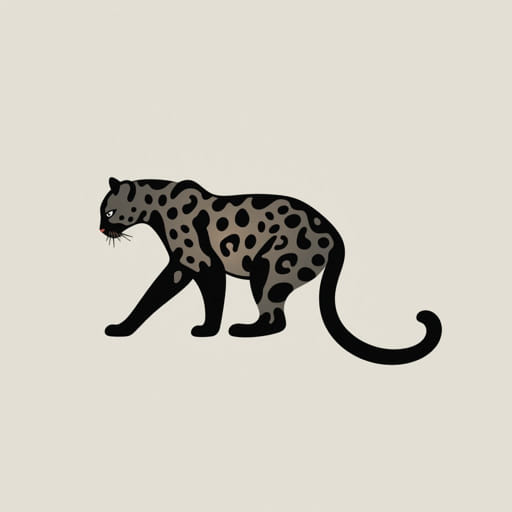
The Amur leopard is one of the rarest and most striking big cats in the world. Known for its captivating beauty and elusive nature, this critically endangered feline roams the forests of the Russian Far East and parts of northeastern China. Its appearance is specially adapted to the cold, snowy environment in which it lives. With a thick coat, long legs, and a distinctive rosette pattern, the Amur leopard stands out not only for its looks but also for its evolutionary resilience. Understanding the appearance of the Amur leopard gives insight into how nature shapes creatures for survival in some of the harshest conditions on Earth.
Overall Physical Characteristics
The Amur leopard, scientifically known asPanthera pardus orientalis, has a body designed for strength, agility, and stealth. Unlike some of its relatives in warmer climates, the Amur leopard has developed unique features to endure the sub-zero temperatures of its habitat.
Size and Build
- Male Amur leopards typically weigh between 32 to 48 kilograms (70 to 106 pounds).
- Females are slightly smaller, weighing between 25 to 43 kilograms (55 to 95 pounds).
- Their body length ranges from 107 to 136 centimeters (3.5 to 4.5 feet), with tails adding another 82 to 90 centimeters (2.7 to 3 feet).
Amur leopards have a lean, muscular build with long legs, which help them move easily through deep snow and rough terrain. Their bodies are low to the ground, allowing them to remain hidden while stalking prey.
Fur and Coat
One of the most remarkable features of the Amur leopard is its dense and luxurious fur. This adaptation helps protect the animal from the bitter cold of its natural habitat.
Fur Length and Density
- The fur can be up to 7 centimeters (2.8 inches) long on the back and even longer on the belly and chest.
- During the winter months, the coat becomes thicker and fluffier to provide insulation.
- In the summer, the fur thins out but remains longer than that of most other leopard subspecies.
Color and Pattern
The Amur leopard’s coat has a pale cream or yellowish base color that becomes lighter in winter. This seasonal variation helps it blend into the snowy landscape.
- Distinct black rosettes (rose-like spots) are widely spaced and larger than those of other leopards.
- Solid black spots may also appear on the face, legs, and underbelly.
- The tail is thick and covered with spots and rosettes, often with a white tip.
These unique markings not only aid in camouflage but also allow researchers to identify individual leopards through camera traps.
Facial Features
The Amur leopard has a face that radiates both elegance and power. Its facial features are finely sculpted, supporting its status as a top predator.
Eyes
The eyes of an Amur leopard are typically golden or greenish in color, with a sharp gaze that reveals its alertness. Their keen vision, especially in low light, helps them hunt at dawn and dusk.
Ears and Nose
Small, rounded ears with black backs aid in directional hearing. The ears can swivel independently to detect the slightest rustle in the forest. The nose is broad and black, with strong olfactory abilities that help track prey or detect other predators.
Paws and Limbs
The limbs and paws of the Amur leopard are another testament to its adaptation to cold environments and rugged terrain.
Leg Structure
- Longer legs than most leopards give it an advantage in deep snow.
- Muscular thighs provide strength for climbing and leaping.
Paws
- Large, wide paws act like natural snowshoes, spreading weight to reduce sinking.
- Sharp, retractable claws allow for excellent grip and climbing ability.
Its strong limbs and sensitive paw pads contribute to silent, calculated movements, making the Amur leopard a stealthy hunter.
Tail Characteristics
The tail of the Amur leopard serves multiple purposes, including balance, communication, and warmth.
Structure and Use
- Thick and bushy, aiding in balance during agile movements through trees and rocks.
- Used for covering the nose and face when resting in cold conditions.
- Acts as a signal to cubs and other leopards during social interactions.
The rosettes and color on the tail match the rest of the coat, making it difficult to distinguish the animal’s outline in the wild.
Differences from Other Leopard Subspecies
What makes the Amur leopard particularly fascinating is how different it looks compared to its cousins in Africa and Asia. These differences have evolved due to geographic isolation and environmental pressure.
Key Differences
- Thicker and longer fur for cold adaptation
- Paler coat color that changes with the seasons
- Larger and more widely spaced rosettes
- Longer legs and wider paws for snow travel
These traits give the Amur leopard a unique appearance that is not only beautiful but also functionally vital for its survival in freezing habitats.
Appearance of Cubs
Amur leopard cubs are born with their eyes closed and are entirely dependent on their mother. Their fur is soft and fluffy, with faint rosette patterns that become more distinct as they grow.
Growth and Development
- Eyes open after 710 days
- Begin walking at around two weeks old
- Start exploring outside the den at two months
- Rosettes become more defined with age
Even at a young age, the cubs’ fur is suited to the cold, providing early protection and helping them camouflage against predators and prey.
The appearance of the Amur leopard is a striking example of nature’s adaptability and elegance. From its thick winter coat and powerful limbs to its stunning rosettes and sharp eyes, every feature is perfectly crafted for life in cold, forested landscapes. These physical traits are not only essential for survival but also make the Amur leopard one of the most visually captivating big cats on Earth. Understanding its appearance adds depth to our appreciation of this rare animal and highlights the importance of ongoing conservation efforts to ensure its survival in the wild.