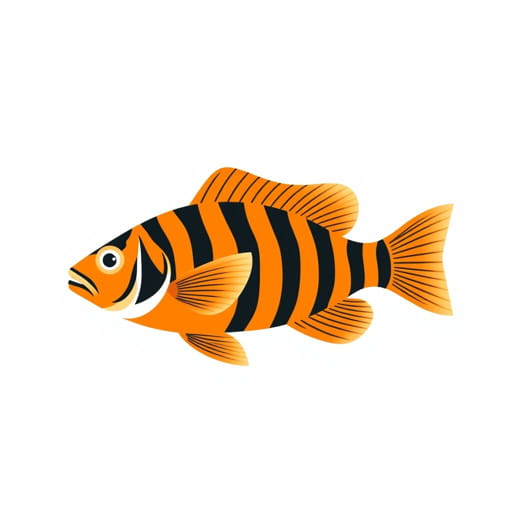
Choosing the right tank mates for tiger barbs is essential for maintaining a peaceful and balanced freshwater aquarium. Known for their striking black stripes and energetic nature, tiger barbs are a popular choice among aquarists. However, their semi-aggressive temperament can make them difficult to house with certain fish species. To create a harmonious aquatic environment, it’s important to understand the behavior of tiger barbs and carefully select suitable tank companions. This guide will explore the best tiger barb tank mates, tips for successful cohabitation, and what to avoid when planning your community tank.
Understanding Tiger Barb Behavior
Active and Fin-Nipping Nature
Tiger barbs are highly active and social fish that thrive in groups of six or more. When kept in small numbers, they may become territorial and aggressive. One of the most common issues with tiger barbs is fin-nipping, especially when housed with slow-moving or long-finned fish like bettas or angelfish. Their boisterous energy can stress out calmer species, so it’s essential to match their pace and temperament when choosing tank mates.
Schooling Behavior
These fish are best kept in schools to spread out aggression within their own group. A group of at least six tiger barbs will establish a natural pecking order and reduce the chances of them picking on other tank mates. When they are kept in larger numbers, their aggression is usually directed inward rather than toward other species.
Ideal Tank Conditions for Tiger Barbs
Water Parameters
To support both tiger barbs and their tank mates, maintain stable water parameters:
- Temperature: 74°F to 79°F (23°C to 26°C)
- pH level: 6.0 to 8.0
- Water hardness: 5 to 15 dGH
Tank Size and Setup
A minimum tank size of 20 to 30 gallons is recommended for a group of tiger barbs. Adding tank mates will require even more space to reduce territorial behavior. Use plenty of plants, rocks, and hiding spots to provide visual breaks and safe zones for shy species. Open swimming areas are also important for the barbs’ active nature.
Best Tank Mates for Tiger Barbs
Fast and Active Species
The ideal companions for tiger barbs are fish that can hold their own and keep up with their energetic swimming. These species typically coexist well in a community tank:
- Zebra Danios: Quick and resilient, zebra danios match the energy of tiger barbs and are rarely bothered by their antics.
- Rosy Barbs: Slightly larger and peaceful, rosy barbs can be good tank mates as they thrive in similar water conditions.
- Silver Dollars: These schooling fish are large and fast enough to avoid conflict with tiger barbs.
- Clown Loaches: Bottom dwellers that tend to avoid mid-to-top level aggression. Their peaceful nature works well with a busy tank.
- Corydoras Catfish: Small, armored bottom-feeders that usually escape the attention of tiger barbs when there are enough of them in the tank.
Other Barb Species
Other types of barbs often do well with tiger barbs, provided the tank is large enough to support multiple schools. Consider:
- Cherry Barbs: Peaceful and slightly smaller, they can live in harmony with tiger barbs in a large, well-planted tank.
- Odessa Barbs: Active and colorful, these barbs share similar environmental needs and energy levels.
Tank Mates to Avoid
Slow-Moving or Long-Finned Fish
Certain species are incompatible with tiger barbs due to their vulnerable fins or slow movement, which can attract fin-nipping behavior. Avoid these fish:
- Bettas: Long fins and slow swimming make them prime targets.
- Angelfish: Although they are cichlids, their calm nature and flowing fins often result in them being harassed.
- Guppies: Small and flashy, guppies are frequently bullied by tiger barbs.
- Goldfish: These cold-water fish are incompatible in terms of temperature and are too docile for tiger barbs.
Tips for a Peaceful Community Tank
Keep a Large Group of Tiger Barbs
As previously mentioned, keeping tiger barbs in groups of six or more reduces aggression. A larger school helps distribute their energy and prevents them from picking on tank mates.
Provide Hiding Spaces
Add plants, caves, and decorations to the tank to allow more timid species to retreat when necessary. This setup helps reduce stress and provides visual breaks between fish.
Monitor Tank Behavior
Keep an eye on interactions during the first few weeks after introducing new fish. If you observe constant aggression or fin damage, be ready to rehome or separate incompatible species.
Feed Adequately and Regularly
Sometimes aggression arises from hunger or competition for food. Feed your fish small amounts two to three times a day to ensure everyone gets their share.
Alternative Companions for Specific Setups
Community Tanks with Plants
Live plants can help calm tiger barbs and provide refuge for other species. When setting up a planted tank, choose tank mates like:
- Harlequin Rasboras Peaceful and colorful, they do well with tiger barbs in heavily planted environments.
- Rainbowfish Active, schooling fish that are bold enough to avoid trouble.
Breeding Tanks or Species-Only Setups
If you’re planning to breed tiger barbs, it’s best to keep them in a species-only tank. Other fish may interfere with breeding behavior or eat the eggs. A separate tank also allows you to control the environment more precisely for spawning.
Tiger barbs can be both entertaining and challenging in a community aquarium. Their vibrant appearance and high activity level make them a favorite among hobbyists, but their semi-aggressive behavior means not all fish are suitable tank mates. The best tiger barb tank mates are fast, similarly sized, and energetic enough to coexist without stress. By choosing compatible species, maintaining proper group sizes, and designing the tank with care, you can enjoy a thriving aquatic community with tiger barbs at the center. Proper planning, observation, and management are key to long-term harmony in your freshwater aquarium.