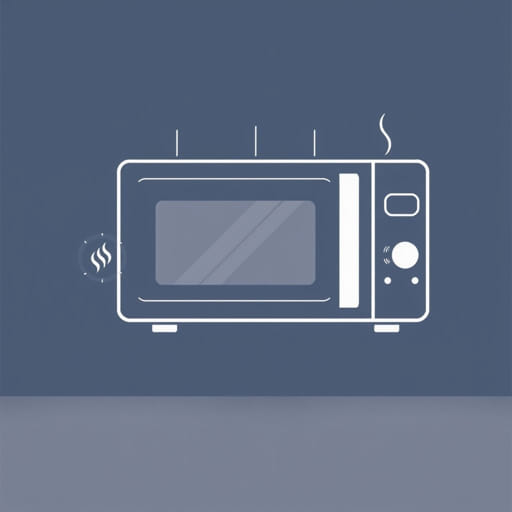
The microwave oven has become an essential appliance in modern households, valued for its speed, efficiency, and convenience. Whether you’re a student in a dorm, a busy professional, or a home cook looking for shortcuts, a microwave oven simplifies many daily cooking tasks. Its ability to reheat, defrost, and even cook full meals has revolutionized the way people approach food preparation. With minimal effort, users can achieve consistent results, saving both time and energy in the kitchen.
Basic Functionality of a Microwave Oven
A microwave oven works by using microwave radiation to heat food. The appliance generates electromagnetic waves that cause water molecules in food to vibrate, producing heat. This process warms the food from the inside out, resulting in quick and even heating. The key advantage is the rapid transfer of energy, which significantly cuts down cooking time compared to traditional ovens or stovetops.
How Microwaves Heat Food
The microwaves emitted by the oven penetrate the food and excite water, fat, and sugar molecules. This internal friction creates heat and cooks the food. Unlike conventional methods that heat food from the outside in, microwaves provide a more uniform heating process, which is especially useful for certain types of dishes.
Everyday Uses of Microwave Ovens
Microwave ovens serve many purposes beyond simple reheating. From preparing snacks to defrosting frozen ingredients, their applications are diverse and practical. Below are some common uses of a microwave oven that demonstrate its versatility in the kitchen.
1. Reheating Leftovers
One of the most common uses of a microwave oven is reheating food. Whether it’s yesterday’s dinner or a takeaway meal, microwaves quickly bring dishes back to serving temperature without drying them out.
- Preserves moisture and flavor
- Saves time compared to stovetop reheating
- Useful for soups, rice, pasta, and more
2. Defrosting Frozen Food
Microwave ovens offer a defrost setting that allows users to safely thaw meat, vegetables, and baked goods. This is especially useful when you forget to take items out of the freezer in advance.
- Prevents bacterial growth by reducing thawing time
- Customizable based on food weight and type
- Convenient for last-minute meal prep
3. Cooking Full Meals
Many microwave ovens come with preset functions for cooking entire meals. These include options like baked potatoes, steamed vegetables, or even rice dishes. Some models feature convection capabilities to expand the range of recipes you can try.
- Perfect for small kitchens or dorm rooms
- Low energy consumption
- Quick meals without turning on the stove
4. Steaming Vegetables
Microwave ovens can steam vegetables efficiently while preserving nutrients and color. By placing cut vegetables in a microwave-safe dish with a bit of water and covering it, you can achieve a healthy side dish in just a few minutes.
- Reduces cooking time to a few minutes
- No need for a separate steamer
- Ideal for broccoli, carrots, beans, and more
5. Melting Ingredients
The microwave is a go-to tool for melting butter, chocolate, or cheese. This is especially useful when baking or making sauces, as it avoids scorching or burning that can happen on a stovetop.
- Microwave-safe bowls prevent messes
- Easy to control timing in short intervals
- Less cleanup and lower risk of overcooking
6. Making Snacks
Microwave ovens are great for preparing quick snacks like popcorn, nachos, mug cakes, or even potato chips. These simple creations require minimal ingredients and very little time.
- Ideal for movie nights or unexpected guests
- Minimal mess and preparation
- Customizable flavors and portions
7. Sterilizing Kitchen Items
Surprisingly, microwaves can also be used for sterilizing kitchen tools like sponges or baby bottles. By microwaving a wet sponge for one to two minutes, bacteria and germs can be significantly reduced.
- Cost-effective method of disinfection
- Quick and accessible
- Reduces household waste by extending sponge life
8. Baking and Mug Recipes
Microwave baking is gaining popularity, especially for single-serving desserts. Mug cakes and brownies take just a few minutes and require no oven. These treats are ideal for quick cravings without the wait.
- Great for portion control
- Fun and creative activity for kids
- No preheating required
9. Boiling and Poaching
Boiling water or poaching eggs in the microwave is surprisingly efficient. A microwave-safe cup or bowl can be used to poach an egg in about a minute, making breakfast fast and easy.
- Eliminates the need for pots and pans
- Faster than stovetop boiling
- Perfect for morning routines
10. Drying Herbs and Foods
The microwave can be used to dry herbs, fruit slices, or breadcrumbs. This technique is helpful for preserving garden herbs or making garnishes without using a dehydrator.
- Quick drying in under two minutes
- Retains flavor and aroma
- Convenient for small batches
Microwave Safety Tips
While microwave ovens are generally safe, it’s important to follow basic precautions to avoid burns, overheating, or fire hazards.
- Always use microwave-safe containers
- Avoid heating sealed containers that could explode
- Use oven mitts to handle hot dishes
- Do not microwave metal or foil
- Follow manufacturer’s instructions for care and cleaning
Advantages of Microwave Cooking
Microwave ovens offer several benefits over conventional cooking methods. These advantages make them indispensable in kitchens of all sizes.
- Speed: Meals can be ready in minutes
- Energy Efficiency: Uses less power than stovetops or ovens
- Compact Size: Ideal for small living spaces
- Convenience: One-touch buttons simplify meal prep
- Preserves Nutrients: Short cooking times help retain vitamins
The microwave oven has transformed the way people approach cooking, offering quick and reliable solutions for everyday food preparation. Whether you’re heating leftovers, cooking a full meal, or preparing a snack, the microwave delivers efficiency without compromising quality. Its diverse range of applications, from melting chocolate to steaming vegetables, makes it one of the most versatile kitchen tools available. With proper use and safety, it continues to be a valuable asset in modern homes around the world.