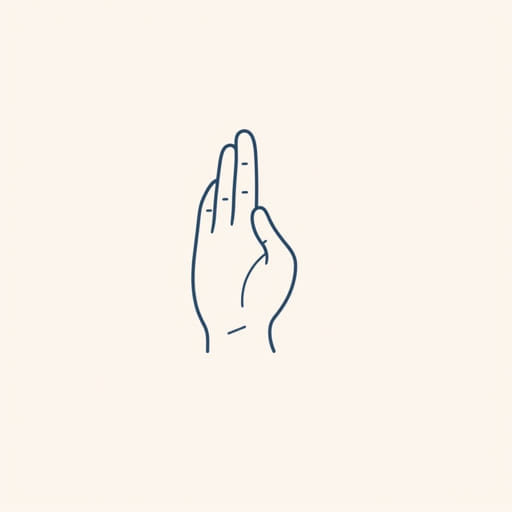
Headaches can disrupt daily life, making it difficult to focus, relax, or even carry out simple tasks. While medications are often the first solution people turn to, ancient practices like yoga mudras offer a natural and holistic alternative. Practicing specific yoga mudras can help relieve headaches by promoting better blood circulation, reducing stress, and balancing energy flow in the body. These simple hand gestures can be practiced almost anywhere and can complement other wellness strategies to ease headache symptoms.
Understanding Yoga Mudras
Yoga mudras are symbolic hand gestures used in traditional yoga and meditation practices. They are believed to redirect energy flow within the body, influence various physical and mental states, and support healing. Mudras are often practiced alongside deep breathing and meditation, enhancing their effectiveness in managing ailments like headaches.
How Mudras Help With Headaches
Headaches can stem from various causes stress, dehydration, sinus pressure, eye strain, poor posture, or hormonal changes. Yoga mudras aim to target the underlying cause of the headache by working on the body’s subtle energy systems. Here are several ways mudras help relieve headaches:
- Balancing elements: According to Ayurveda, the five elements (earth, water, fire, air, and ether) need to be balanced for optimal health. Mudras help restore this balance.
- Reducing tension: Many mudras work by calming the nervous system and relaxing the muscles around the head and neck.
- Improving oxygen flow: When practiced with proper breathing, mudras enhance oxygen intake, supporting brain function and reducing pain.
- Boosting circulation: Better blood circulation can reduce throbbing and pressure associated with headaches.
Effective Yoga Mudras for Headache Relief
Several mudras have shown promising results in reducing headache symptoms. These mudras are simple to perform and require only a few minutes of consistent practice to notice benefits.
1. Gyan Mudra (Mudra of Knowledge)
This is one of the most common mudras and is particularly effective for tension headaches caused by stress and mental overload.
- How to do it: Touch the tip of your index finger to the tip of your thumb, keeping the other fingers straight and relaxed. Rest your hands on your knees with palms facing up.
- Benefits: Improves concentration, calms the mind, and reduces mental fatigue that can trigger headaches.
2. Prana Mudra (Mudra of Life)
Prana Mudra helps activate the body’s energy and immunity. It is useful for headaches related to fatigue, weakness, or low vitality.
- How to do it: Touch the tips of the little finger and ring finger to the tip of the thumb. Keep the other two fingers extended.
- Benefits: Increases vitality, reduces fatigue, and helps the body cope with pain more effectively.
3. Apana Vayu Mudra (Heart Mudra)
This mudra is especially helpful for headaches caused by poor circulation or digestive issues. It also calms the nervous system.
- How to do it: Fold the index finger so it touches the base of the thumb. Touch the tips of the middle finger and ring finger to the tip of the thumb. The little finger stays extended.
- Benefits: Regulates blood flow, calms anxiety, and supports digestion, all of which can help reduce headaches.
4. Shunya Mudra (Mudra of Emptiness)
This mudra is effective for headaches caused by ear or sinus problems. It is often used to relieve pressure in the head due to congestion or fluid retention.
- How to do it: Fold the middle finger to the base of the thumb and press the thumb gently over it. Keep the other fingers extended.
- Benefits: Helps clear sinus congestion, reduces ear pain, and relieves headaches caused by blocked sinuses.
5. Mahasirs Mudra (Mudra of the Great Head)
As the name suggests, this mudra is specifically designed for head-related issues. It combines elements of other mudras to bring fast relief from headaches and migraines.
- How to do it: Touch the tips of the thumb, index finger, and middle finger together. Fold the ring finger toward the palm and keep the little finger straight.
- Benefits: Reduces tension, clears sinuses, and balances the body’s energies to relieve headache pain.
Best Practices for Yoga Mudras
To get the most benefit from yoga mudras, consistency and mindfulness are essential. While mudras are easy to practice, following a few best practices will enhance their effects and support overall headache relief.
- Duration: Practice each mudra for 1015 minutes, up to 23 times a day.
- Breathing: Combine mudras with deep and even breathing. This helps calm the nervous system and promote relaxation.
- Posture: Sit in a comfortable position with a straight spine. This improves energy flow and focus.
- Environment: Practice in a quiet space where you can fully relax and concentrate on your breath and gesture.
- Hydration: Drink plenty of water throughout the day to prevent dehydration, a common cause of headaches.
Complementary Techniques
While yoga mudras can significantly reduce headache symptoms, combining them with other yoga practices can enhance their effectiveness. Gentle yoga poses like Child’s Pose (Balasana), Cat-Cow Stretch (Marjaryasana-Bitilasana), and Forward Fold (Uttanasana) can ease tension in the neck and spine. Meditation and mindfulness can further reduce stress, which is often a root cause of chronic headaches.
Ayurvedic tips, such as consuming warm herbal teas (like ginger or peppermint), avoiding trigger foods, and maintaining a regular sleep schedule, also support headache relief naturally. These practices work together with mudras to create a more balanced, headache-free life.
When to Seek Medical Advice
Yoga mudras are a safe and natural way to manage occasional headaches, but they are not a replacement for professional medical care. If headaches are severe, frequent, or accompanied by symptoms like vision changes, nausea, or dizziness, consult a healthcare provider. Mudras can still be used as a supportive therapy alongside medical treatment.
Using yoga mudras for headache relief is a gentle, holistic method that taps into the body’s natural energy systems. With consistent practice, these simple hand gestures can help reduce pain, calm the mind, and restore balance. Whether your headaches are caused by stress, sinus issues, or fatigue, incorporating mudras into your daily wellness routine can provide long-term relief and improve your overall quality of life.