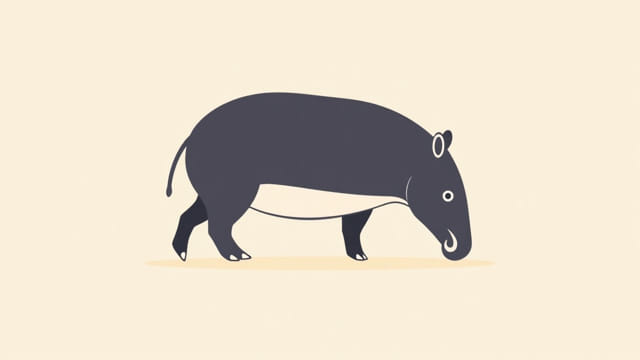
Watching a video of a tapir eating can be a surprisingly calming and fascinating experience. These large, herbivorous mammals are known for their prehensile snouts, which they skillfully use to grab leaves, fruits, and other vegetation. While tapirs may not be as popular as elephants or pandas, their unique feeding behavior offers an intimate look into the life of a creature that has roamed the earth since prehistoric times. Videos capturing tapirs during mealtime allow viewers to appreciate their quiet presence, methodical chewing, and gentle interactions with their environment.
Understanding Tapirs
What Is a Tapir?
Tapirs are odd-toed ungulates, meaning they are related to horses and rhinoceroses. Despite their unusual appearance, which might remind some of a pig or anteater, they are a distinct species native to Central and South America as well as Southeast Asia. Their most recognizable feature is their flexible, trunk-like nose, which they use to grasp and manipulate food.
Species of Tapirs
There are four main species of tapir:
- Brazilian Tapir (South American Tapir): Found in the Amazon Rainforest.
- Baird’s Tapir: Native to Central America.
- Mountain Tapir: Resides in the Andes Mountains.
- Malayan Tapir: The only Asian species, notable for its striking black-and-white coloration.
What Tapirs Eat
Natural Diet in the Wild
In the wild, tapirs are primarily browsers, which means they eat leaves, twigs, branches, buds, and fruits. Their prehensile snout helps them reach vegetation, even those that are slightly out of grasp.
Diet in Captivity
In zoos or wildlife sanctuaries, tapirs are often fed a carefully balanced diet to meet their nutritional needs. This might include:
- Fresh fruits (like bananas, apples, and melons)
- Leafy greens (such as lettuce, kale, or spinach)
- Special herbivore pellets
- Vegetables (carrots, sweet potatoes, etc.)
Highlights from a Tapir Eating Video
Peaceful Behavior
Videos of tapirs eating often showcase their calm and gentle demeanor. Unlike some animals that rush through their food, tapirs take their time. Viewers are likely to find the scene tranquil and even meditative, as the tapir munches slowly, using its snout to carefully pick each bite.
Snout in Action
One of the most captivating aspects of watching a tapir eat is seeing how its snout functions. This snout is both flexible and strong, capable of wrapping around stalks or fruit to bring food to its mouth. It works similarly to an elephant’s trunk, though on a smaller scale.
Chewing and Crunching
Many viewers enjoy the subtle sounds of a tapir chewing through leaves or fruit. The video may include soft crunching or munching noises, adding to the sensory experience. This gentle soundscape can even have an ASMR-like quality for some people.
Interaction with Zookeepers or Habitat
In some tapir eating videos, the animal interacts with keepers who may be feeding them by hand or placing food in different areas to stimulate foraging behavior. These interactions highlight the bond between animal and caretaker, as well as the tapir’s intelligence and responsiveness.
Educational Value of Tapir Eating Videos
Learning About Animal Behavior
Videos provide an accessible way to observe tapir behavior up close. Viewers can learn about their feeding preferences, use of their snout, and how they respond to different types of food. For students or wildlife enthusiasts, this visual learning can be more impactful than reading a textbook alone.
Promoting Conservation Awareness
Tapirs are listed as vulnerable or endangered depending on the species. Sharing tapir videos, especially those with educational commentary, helps raise awareness about the threats they face, including habitat destruction and poaching. Watching a tapir calmly eat can foster empathy and support for conservation efforts.
Supporting Zoo Enrichment Programs
Captive tapirs benefit from enrichment activities or variations in their routine that stimulate natural behaviors. Some videos showcase how food is used for enrichment, such as hiding fruit in logs or suspending vegetables to encourage stretching. These methods keep tapirs mentally and physically active.
Why People Love Tapir Eating Videos
A Unique and Gentle Creature
Tapirs are not commonly featured in mainstream media, so seeing one up close can be a novelty. Their unusual appearance and slow, deliberate movements endear them to viewers. Watching a tapir eat helps people connect with an animal they might never have encountered otherwise.
Stress Relief and Mindfulness
Videos of animals eating, especially calm and non-aggressive ones like tapirs, are known to have a relaxing effect. They invite viewers to slow down, observe, and appreciate the small details of life. In a busy world, a quiet moment watching a tapir chew leaves or crunch fruit can serve as a peaceful escape.
Family-Friendly Entertainment
These videos are suitable for all ages and often spark curiosity in children. Parents and teachers can use them as an entry point to discuss wildlife, biology, or conservation topics with young learners. Tapirs, with their kind eyes and steady mannerisms, often become instant favorites.
Fun Facts to Know While Watching
- Tapirs can swim well and often cool off in rivers or mud pools after eating.
- They have poor eyesight but an excellent sense of smell and hearing.
- The tapir’s snout is so flexible that it can rotate and move in multiple directions.
- Tapir calves are born with white stripes and spots that fade with age.
- Despite their peaceful look, tapirs can run fast and defend themselves if threatened.
Whether you’re a wildlife enthusiast, a student doing research, or simply someone who enjoys soothing content, watching a video of a tapir eating offers a rich, rewarding experience. It combines elements of education, relaxation, and a deeper appreciation for one of nature’s quietest but most fascinating animals. As more people share and view these gentle moments, tapirs gain the recognition and empathy they deserve helping to ensure their survival for generations to come. From their wiggling snouts to their rhythmic chewing, these peaceful herbivores invite us all to slow down and savor the wonders of the animal world.