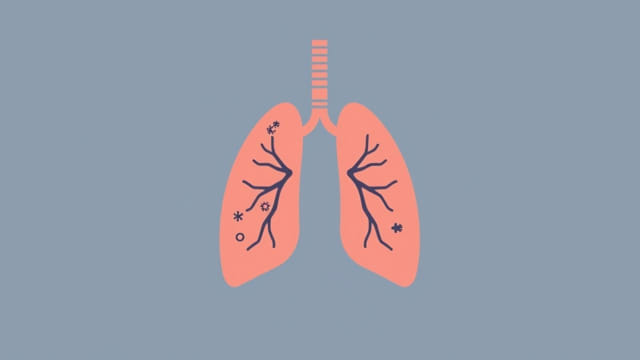
Verminous pneumonia is a type of respiratory condition most commonly found in livestock, particularly in sheep, goats, and cattle, though it can also affect other animals. This disease is primarily caused by parasitic worms, specifically lungworms, which invade and damage the lungs, leading to inflammation, respiratory distress, and reduced productivity in affected animals. Understanding the causes, transmission, and symptoms of verminous pneumonia is essential for effective prevention and treatment, particularly for farmers and veterinarians working in animal health and agriculture.
Causes of Verminous Pneumonia
Primary Parasitic Agents
The main organisms responsible for verminous pneumonia are lungworms. These parasitic nematodes belong to several genera, with the most notable being:
- Dictyocaulus viviparus affects cattle
- Dictyocaulus filaria affects sheep and goats
- Protostrongylus spp. affects sheep and goats
- Muellerius capillaris commonly found in goats and sheep
These parasites inhabit the respiratory tract, where they cause irritation, blockage, and inflammation, leading to the clinical signs associated with pneumonia.
Lifecycle of Lungworms
Lungworms typically have a direct or indirect lifecycle. In a direct lifecycle, such as with Dictyocaulus spp., the infective larvae are ingested by the host from contaminated pasture. They then migrate from the intestines to the lungs via the bloodstream or lymphatic system. In an indirect lifecycle, as seen with Protostrongylus and Muellerius, intermediate hosts like snails or slugs are required for development before being ingested by the final host.
Pathogenesis and Lung Damage
Inflammatory Response
Once the lungworms reach the lungs, they cause mechanical damage by burrowing through lung tissue. This prompts an immune response involving inflammation, increased mucus production, and cellular infiltration, which in turn obstructs the airways and impairs gas exchange.
Secondary Infections
Due to tissue damage and compromised immunity, affected animals are more prone to secondary bacterial infections, which exacerbate respiratory symptoms. The combined effect can lead to a more severe and chronic form of pneumonia.
Transmission and Risk Factors
Environmental Contamination
Infected animals shed lungworm larvae in their feces, contaminating pastures. Under favorable conditions especially moist and temperate climates larvae can survive and develop into infective stages, creating a cycle of reinfection in grazing animals.
High Stocking Density
Overcrowded grazing areas increase the risk of exposure, especially if pasture rotation is not practiced. The greater the animal population in a confined area, the higher the chances of spreading infection through feces-contaminated grass and water.
Younger and Immunocompromised Animals
Young animals that have not yet developed immunity, or older animals with compromised immune systems, are more susceptible to verminous pneumonia. In regions where lungworm infections are common, some level of resistance may develop over time in adult livestock.
Symptoms and Clinical Signs
Early Symptoms
The early stages of verminous pneumonia can be subtle but may include:
- Frequent coughing
- Nasal discharge
- Slight increase in respiratory rate
- Intermittent fever
Progressive Symptoms
If the infection is left untreated, symptoms can worsen and become more obvious:
- Labored or rapid breathing (dyspnea)
- Open-mouth breathing
- Lethargy and weight loss
- Decreased milk or meat production
- Poor body condition
Severe Cases
In heavily infected animals, pneumonia may become chronic or lead to sudden death due to respiratory failure. Auscultation may reveal abnormal lung sounds such as wheezing or crackling.
Diagnosis and Veterinary Examination
Fecal Examination
The most common diagnostic method involves fecal analysis using the Baermann technique to detect lungworm larvae. This technique is sensitive and allows veterinarians to identify the presence and type of parasite.
Clinical Examination
A veterinarian may assess respiratory rate, listen to lung sounds, and evaluate the animal’s general health and performance. A history of grazing in contaminated fields or previous outbreaks supports the diagnosis.
Postmortem Examination
In fatal cases, lung tissue examination during necropsy may reveal visible adult worms, areas of consolidation, and damage consistent with parasitic pneumonia.
Treatment of Verminous Pneumonia
Anthelmintic Therapy
Effective treatment usually involves administering antiparasitic medications. Commonly used anthelmintics include:
- Ivermectin
- Albendazole
- Fenbendazole
- Levamisole
Dosage and frequency depend on the severity of infection and the species involved.
Supportive Care
In cases of severe respiratory distress, animals may require anti-inflammatory drugs, antibiotics to prevent secondary infections, and rest in a low-stress environment. In some instances, isolating affected animals can help control the spread of infection.
Prevention Strategies
Pasture Management
One of the most effective ways to prevent verminous pneumonia is through proper pasture management. Rotating pastures, avoiding overgrazing, and allowing land to rest between grazing periods can reduce the larval load on fields.
Regular Deworming
Implementing a strategic deworming schedule, especially during high-risk seasons, helps break the lifecycle of lungworms. Veterinarians can advise on the best timing and choice of dewormers based on regional risk factors.
Monitoring and Early Detection
Regular health checks and fecal testing, especially in young stock, can detect infections before they become severe. Farmers should be trained to observe early respiratory signs and respond promptly.
Economic and Welfare Impact
Reduced Productivity
Infected animals often show poor weight gain, reduced milk output, and delayed breeding cycles. This leads to economic losses for farmers and reduced food supply in livestock-reliant communities.
Animal Welfare Concerns
Verminous pneumonia is painful and distressing for affected animals. Ensuring proper care and timely treatment reflects good animal welfare practices and reduces unnecessary suffering.
Verminous pneumonia is a significant health threat in livestock, caused primarily by parasitic lungworms that damage the lungs and impair respiratory function. By understanding the causes, symptoms, and methods of transmission, farmers and veterinarians can work together to implement effective prevention and treatment strategies. Regular deworming, careful pasture management, and early intervention are key to controlling the spread of this disease and minimizing its impact on animal health and agricultural productivity. With the right knowledge and tools, verminous pneumonia can be managed successfully, ensuring healthier animals and more sustainable farming systems.