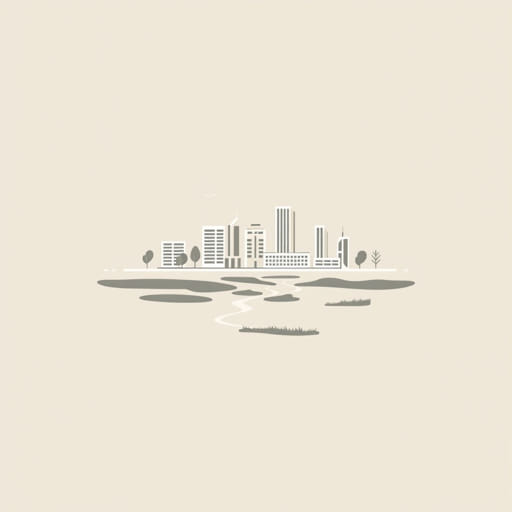
Urban expansion has increasingly pushed development into previously uninhabited or marginal lands, including marshy and wetland areas. Driven by population growth, housing demand, and commercial opportunities, many cities have begun to convert marshy land into usable real estate. While this process can stimulate economic growth and alleviate land scarcity, it also brings a host of environmental, engineering, and social challenges that must be carefully considered to ensure sustainable development.
Understanding Marshy Land
Definition and Characteristics
Marshy land refers to low-lying, waterlogged areas that are often rich in biodiversity. These lands are typically saturated with water either permanently or seasonally and are characterized by soft, spongy soil. Marshes play a critical role in natural ecosystems by absorbing floodwaters, filtering pollutants, and supporting wildlife habitats.
Types of Marshes
- Freshwater marshes Found inland and typically supplied by rivers and rainwater.
- Saltwater marshes Located near coastlines, influenced by tides and saline conditions.
- Intermediate marshes Mixtures of freshwater and saltwater, usually at river deltas or estuaries.
Why Urbanize Marshy Land?
Land Scarcity in Growing Cities
As urban populations rise, particularly in densely populated countries, cities face land shortages. Marshy areas, previously overlooked, become viable options for expansion due to their proximity to urban cores or infrastructure corridors.
Commercial and Industrial Expansion
Marshy lands are often situated near rivers or ports, making them strategically valuable for logistics, warehousing, and industrial use. Developers are drawn to these areas despite the difficulties associated with building on soft, unstable soil.
Affordable Housing Projects
Some governments designate marshy land for affordable housing, considering the low initial cost of the land. With proper engineering solutions, these areas can be transformed into viable residential zones.
Challenges of Urbanizing Marshy Land
Engineering and Construction Difficulties
One of the most immediate issues is the physical instability of marshy soil. Foundations need to be deeply driven or floated to avoid sinking. Special techniques such as pile driving, soil stabilization, and the use of lightweight materials are necessary but costly.
Flooding and Water Management
Marshes naturally absorb and hold water. Removing this function by urbanizing the area can lead to significant flooding issues. Drainage systems must be comprehensive, and developers must often construct canals or pumping stations to manage water levels.
Environmental Impact
- Loss of biodiversity: Marshes are home to unique species of birds, fish, amphibians, and plants.
- Disruption of natural water cycles: Wetlands play a role in maintaining groundwater levels and filtering rainwater.
- Climate effects: Wetlands are natural carbon sinks; destroying them contributes to climate change.
Public Health Concerns
Improperly drained marshlands can become breeding grounds for mosquitoes and other disease vectors. Inadequate sanitation can also lead to outbreaks of waterborne diseases if urbanization is not carefully managed.
Examples of Urban Development on Marshy Lands
New Orleans, USA
Much of New Orleans is built on former marshland, which has made it highly vulnerable to flooding. The catastrophic impact of Hurricane Katrina in 2005 highlighted the dangers of urbanizing wetland areas without adequate water management systems.
Mumbai, India
Parts of Mumbai have expanded into coastal marshes, leading to frequent flooding during monsoon seasons. Ongoing projects aim to reclaim and redevelop marshland, but critics argue that environmental and social costs have not been properly addressed.
Jakarta, Indonesia
Jakarta’s expansion into marshy and low-lying areas has resulted in severe land subsidence, forcing the government to consider relocating the capital due to growing uninhabitability.
Strategies for Sustainable Development
Environmental Impact Assessments
Before urbanizing marshy land, a thorough environmental impact assessment (EIA) must be conducted. EIAs help determine the potential effects on local ecosystems, water cycles, and human populations.
Eco-sensitive Design
- Incorporate green infrastructure: bioswales, rain gardens, and permeable pavements.
- Preserve sections of the marsh as protected zones for wildlife and water retention.
- Use elevated walkways and stilt-based structures to reduce disruption of natural flow.
Flood Control Mechanisms
Integrated water management systems are critical. These may include retention basins, artificial lakes, floodwalls, levees, and advanced drainage systems that can cope with heavy rainfall and rising water levels.
Community Engagement
Local communities must be involved in planning. Residents who have lived near marshes for generations often possess valuable knowledge about seasonal changes, flood behavior, and native flora and fauna. Their insights can inform better design and policy decisions.
Legal and Policy Framework
Wetland Protection Laws
Many countries have regulations protecting wetlands, but enforcement is often weak. Stricter implementation and zoning laws are needed to prevent unchecked urban sprawl.
Incentives for Green Development
Governments can encourage sustainable practices by offering incentives such as tax breaks, grants, or development bonuses for eco-sensitive projects on marshy land.
International Guidelines
Organizations like the Ramsar Convention on Wetlands offer guidelines and frameworks for sustainable wetland management. Adhering to international best practices helps balance development with conservation.
Urbanizing marshy land presents both opportunities and significant risks. While it offers a solution to land scarcity and can support economic growth, it requires thoughtful, well-engineered, and environmentally responsible planning. Ignoring the natural role of marshlands leads to flooding, ecological degradation, and public health crises. However, with sustainable urban design, community engagement, and strong policy frameworks, cities can develop these sensitive areas in a way that respects both human needs and nature’s boundaries. As urban pressure continues to mount globally, the lessons learned from building on marshy land will become increasingly critical for shaping the cities of tomorrow.