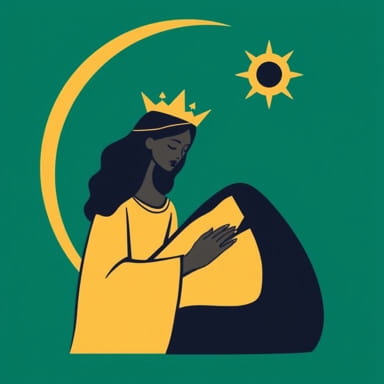
The story of the Queen of Sheba and King Solomon is one of the most captivating narratives found in ancient religious and historical texts. It is steeped in mystery, admiration, diplomacy, and, for some interpretations, romantic intrigue. Among the many questions that continue to stir scholarly debate and public fascination is whether the Queen of Sheba actually slept with Solomon. While sacred texts like the Bible, the Quran, and Ethiopian traditions mention their encounter, the true nature of their relationship remains a topic of interpretation and legend. The idea of an intimate relationship has persisted through centuries, shaping literature, art, and historical speculation around this legendary meeting of monarchs.
The Meeting of Two Great Monarchs
Context of the Visit
The Queen of Sheba, often identified with the Sabaean kingdom located in modern-day Yemen or Ethiopia, is said to have traveled to Jerusalem bearing rich gifts and profound questions for King Solomon. Her journey is recorded in 1 Kings 10 and 2 Chronicles 9 of the Bible. Her purpose was reportedly to test Solomon’s wisdom and witness the prosperity of his kingdom for herself.
She arrived with camels laden with spices, gold, and precious stones. Upon meeting Solomon, she posed riddles and questions that he answered with ease, impressing her deeply. The Bible describes her as overwhelmed by his wisdom and the grandeur of his court.
Shared Admiration
The mutual respect between the Queen of Sheba and Solomon is emphasized in religious texts. She praised his God for placing such a wise king on the throne of Israel and gave him valuable gifts. Solomon, in return, gave her everything she desired and more. However, the texts do not explicitly mention a sexual relationship between them in the biblical narrative.
Ancient Legends and Interpretations
Ethiopian Tradition and the Kebra Nagast
While the Bible remains somewhat vague, Ethiopian tradition offers a much more detailed and intimate portrayal of the Queen of Sheba’s encounter with Solomon. The ‘Kebra Nagast,’ a 14th-century Ethiopian text, claims that their relationship did indeed become physical. According to this narrative, Solomon and the Queen of Sheba, known as Makeda in Ethiopian lore, shared a bed during her visit.
Solomon, according to the Kebra Nagast, agreed not to touch her unless she took something from his palace without permission. She agreed, but after a spicy meal made her thirsty in the night, she reached for water, breaking the agreement. Solomon then claimed her, and she later returned to her kingdom pregnant with his son, Menelik I, who would go on to become the first emperor of Ethiopia.
Islamic Perspective
The Quran also recounts the visit of the Queen of Sheba, known as Bilqis, but it does not mention any romantic or sexual involvement with Solomon. Instead, the emphasis is placed on her recognition of monotheism and her eventual conversion to the worship of Allah after witnessing Solomon’s power and wisdom. There is no reference to a physical relationship in Islamic texts.
Symbolism and Interpretation
Political Allegory
Many scholars believe that the interaction between Solomon and the Queen of Sheba may be symbolic of a diplomatic or economic alliance. Her gifts and admiration could reflect the political ties being forged between two powerful kingdoms. From this perspective, any suggestion of a sexual relationship might be a metaphor for the merging of cultures, ideas, or political interests.
Gender and Power Dynamics
The idea that the Queen of Sheba slept with Solomon can also be analyzed through the lens of gender and power. Ancient patriarchal societies often framed powerful women through their relationships with men. Suggesting a romantic connection with Solomon might serve to domesticate or contain her power by linking it to a male authority figure. This interpretation reveals more about societal attitudes than historical facts.
Modern Cultural Impact
Literature and Art
The story of Solomon and the Queen of Sheba has inspired countless works of literature, paintings, and even operas. Artists like Peter Paul Rubens, Giovanni Battista Tiepolo, and Edward Poynter have depicted their meeting with undertones of romance and seduction. Writers and poets have romanticized their story, feeding the idea of a powerful love affair between the two monarchs.
Film and Popular Culture
Modern interpretations in movies and novels have often leaned into the idea of a romantic or sexual relationship between Solomon and the Queen of Sheba. These portrayals, while fictional, reflect the enduring intrigue that surrounds their legendary meeting. The blending of wisdom, power, and beauty continues to captivate audiences today.
Historical Possibility or Fiction?
Lack of Concrete Evidence
From a strictly historical point of view, there is no concrete archaeological or documentary evidence confirming that Solomon and the Queen of Sheba had a sexual relationship. The absence of detail in the earliest sources suggests that later elaborations, like those in the Kebra Nagast, may be mythological or symbolic rather than factual.
Myth vs. History
Like many figures from ancient texts, the Queen of Sheba straddles the line between history and legend. Whether she slept with Solomon or not may remain an unanswered question, but the story continues to influence how we understand gender, diplomacy, and cultural exchange in the ancient world.
The idea that the Queen of Sheba slept with Solomon is rooted more in legend and interpretation than in confirmed historical record. Biblical accounts focus on mutual respect and admiration, while Ethiopian tradition offers a more personal and romantic version of events. Islamic texts highlight spiritual enlightenment and diplomacy. The enduring fascination with their story romantic, political, and symbolic has ensured that it continues to be retold and reimagined across cultures and centuries. Whether or not their relationship included intimacy, their legendary meeting remains one of the most enduring encounters in ancient history, full of cultural significance and mysterious allure.